Self-Powered Toothbrush Generates Electricity to Combat Bacteria
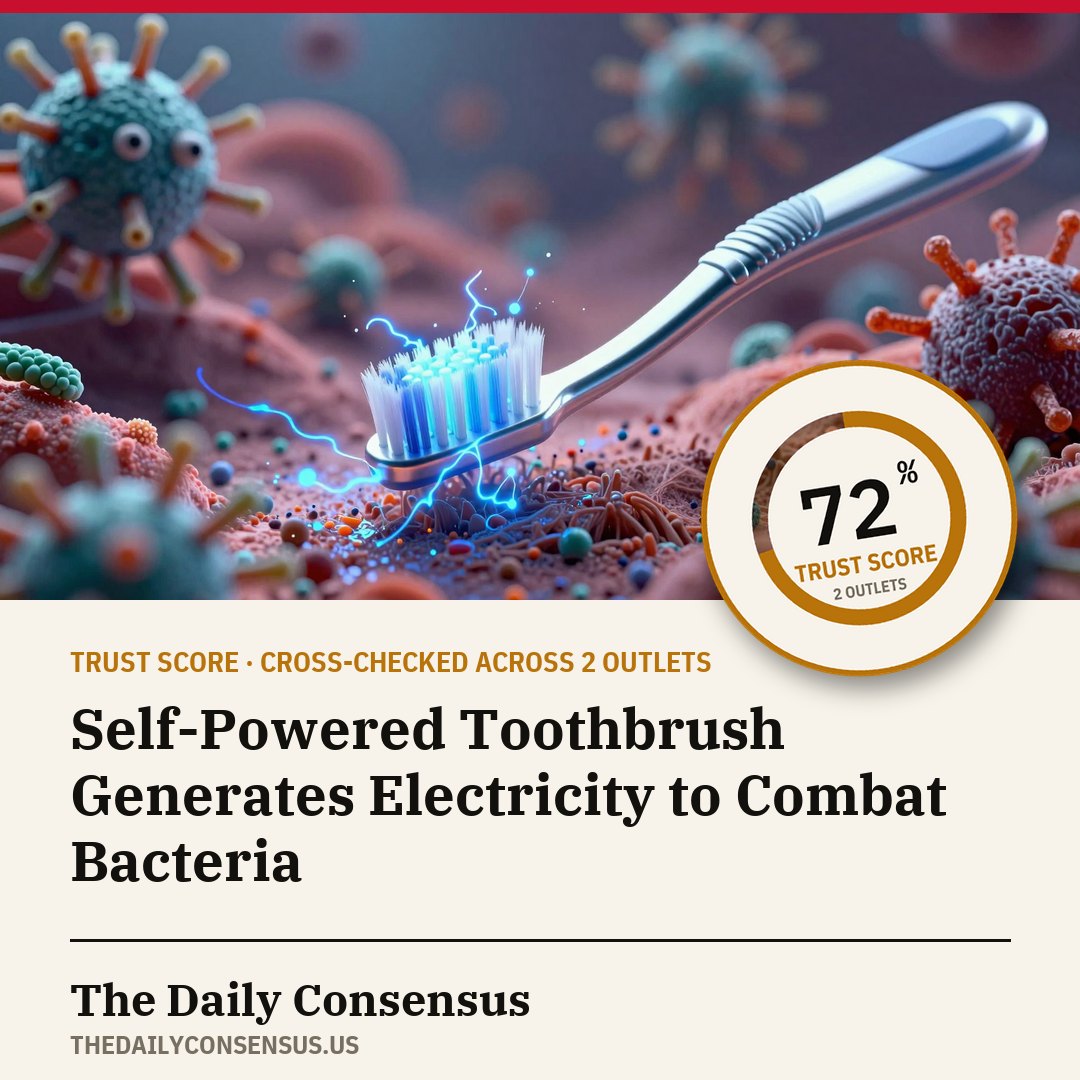
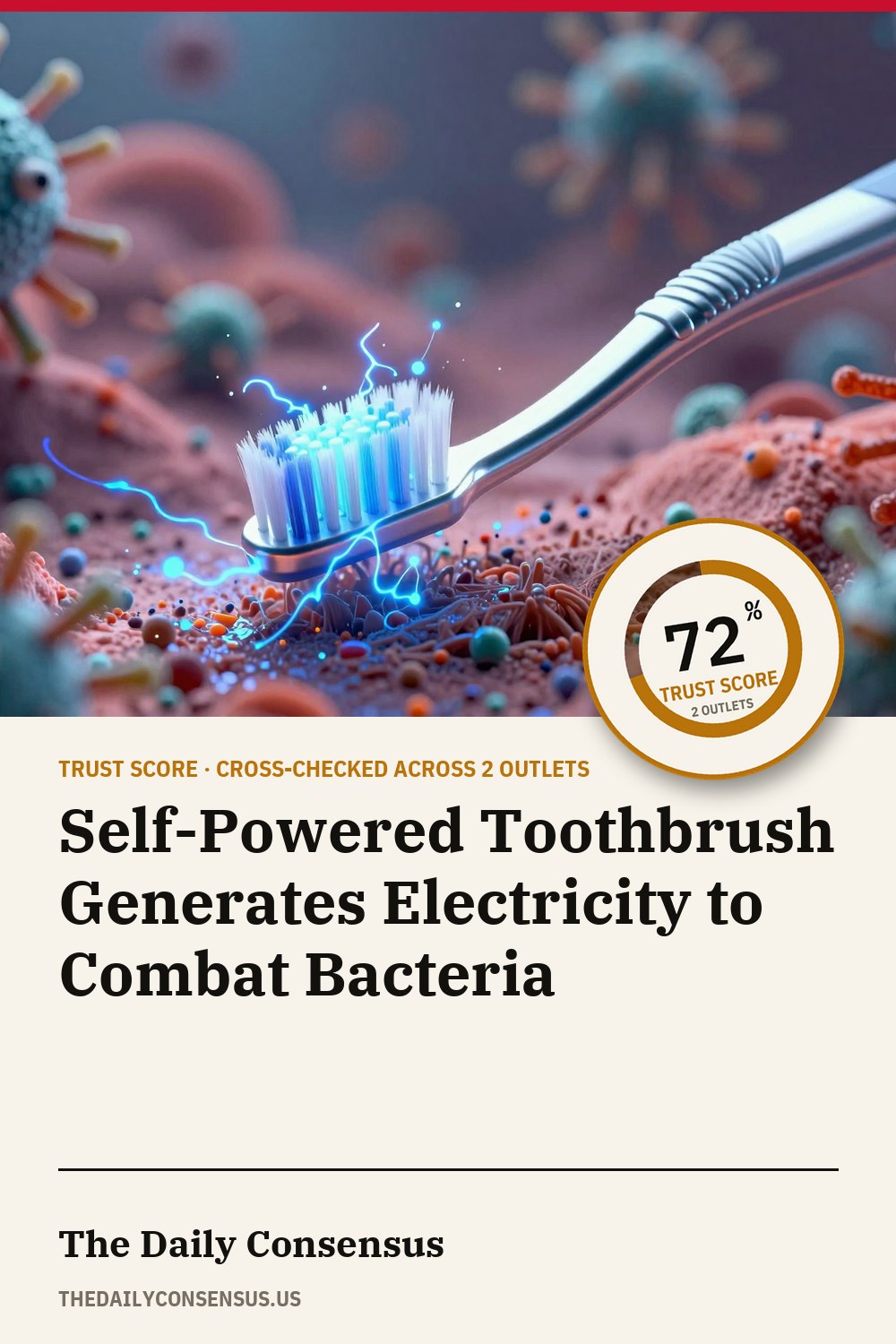
A new toothbrush harnesses friction to produce electricity, killing cavity-causing bacteria and reducing plaque.
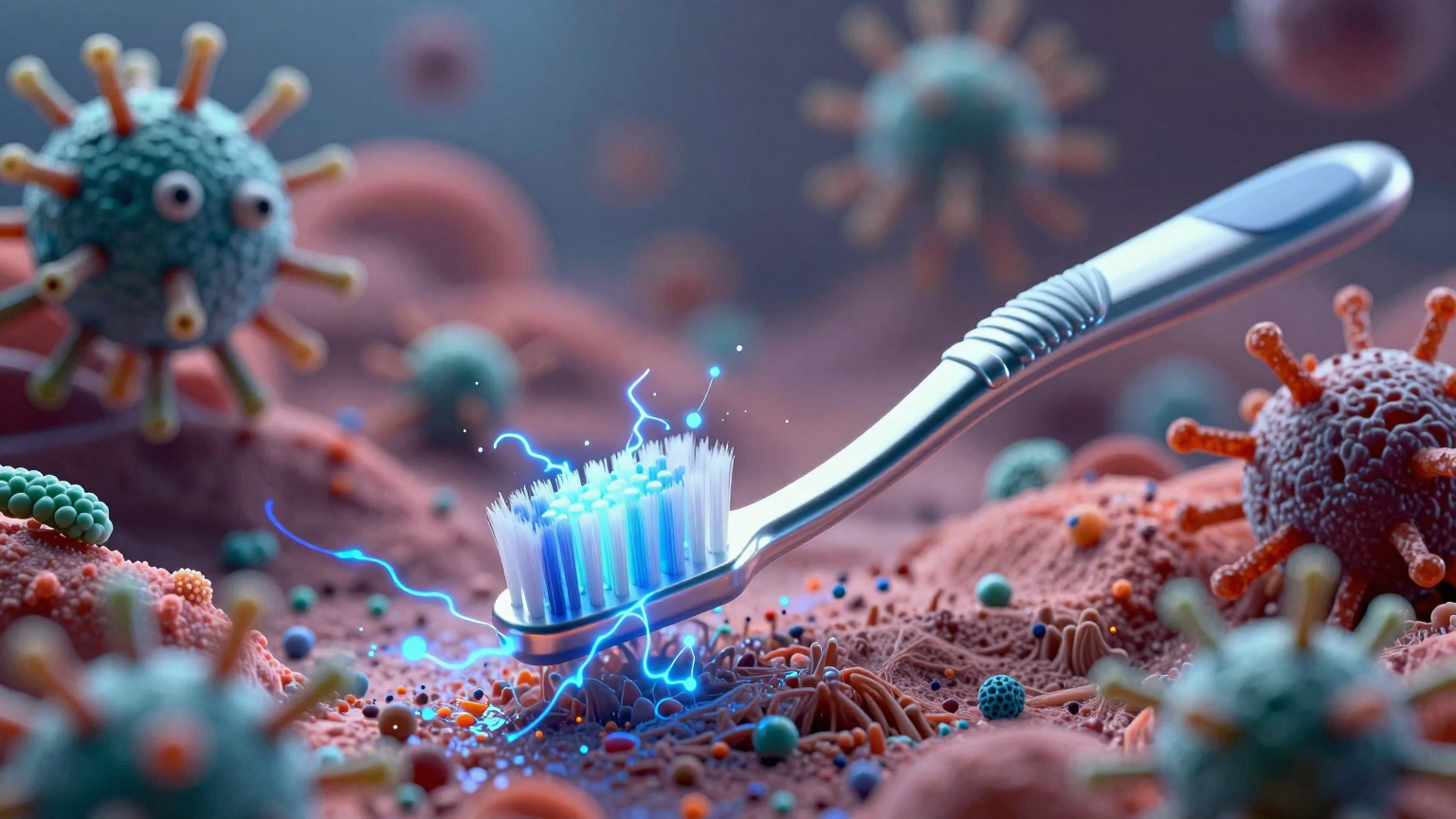
A groundbreaking self-powered toothbrush has been developed, generating electricity through friction during brushing to combat harmful bacteria in the mouth. This innovative device, reported by Live Science and New Scientist, produces reactive oxygen species (ROS) that damage bacterial cells, leading to significant reductions in both cavity-causing and gum-disease contributing bacteria.
Laboratory tests have shown that the electrified bristles of this toothbrush can eliminate more than half of Streptococcus mutans bacteria and reduce Porphyromonas gingivalis by up to 78%. These results indicate a notable improvement in oral health outcomes when using the new toothbrush compared to traditional models.
Human trials involving 115 participants demonstrated that the electrified toothbrush led to a substantial decrease in plaque, gum inflammation, and bleeding. Specifically, the toothbrush achieved more than twice the reduction of these common oral issues compared to conventional brushes. In another study, 109 adults experienced approximately 40% reduction in plaque build-up, gum inflammation, and bleeding with the piezoelectric toothbrush, compared to just 15% for regular brushes.
The toothbrush's effectiveness is attributed to its unique design featuring polyvinylidene fluoride (PVDF) bristles, which are piezoelectric. This means they generate an electric charge when mechanical stress is applied, such as during brushing. The PVDF bristles not only maintain their structure and electrical properties over three months of simulated use but also carry a faint surface charge when at rest, preventing bacteria from adhering to them.
In laboratory settings, the toothbrushes were found to achieve over 99% removal of plaque, compared to around 80% for conventional brushes. Furthermore, the toothbrushes retained their electrical properties and softness even after extensive use, suggesting long-term durability and continued efficacy.
What we know
- A new type of toothbrush generates electricity through friction during brushing. 12
- Electricity produced by the toothbrush releases ROS that damage bacterial cells. 1
- Laboratory tests showed the electrified bristles killed more than half of Streptococcus mutans bacteria and reduced Porphyromonas gingivalis by up to 78%. 1
- Human trials involving 115 participants showed less plaque, gum inflammation, and bleeding with the electrified toothbrush compared to traditional brushes. 1
- The toothbrush leads to more than twice the reduction of plaque, gum inflammation, and bleeding compared to conventional toothbrushes. 2
- Tests showed the thicker piezoelectric bristles killed about 53% of cavity-causing bacteria and 78% of gum disease-contributing bacteria. 2
- In a study involving 109 adults, the piezoelectric toothbrushes reduced plaque build-up, gum inflammation, and bleeding by approximately 40%, compared to 15% for conventional brushes. 2
- The toothbrushes produced more than 99% removal of plaque in laboratory tests, compared to about 80% for conventional brushes. 2
- The toothbrush uses polyvinylidene fluoride (PVDF) bristles which are piezoelectric. 1
- The PVDF bristles maintained their structure and electrical properties over three months of simulated use. 1
- The toothbrush's bristles carry a faint surface charge when not in use, preventing bacteria from adhering. 1
- The toothbrushes maintained their electrical properties and softness after three months of use. 2
Powered by Quantum Forge Robotics with Jessi AI Intelligence
Trust Score report
- confirmed
A new type of toothbrush generates electricity through friction during brushing.
85% · supported by 2 - likely
Electricity produced by the toothbrush releases reactive oxygen species (ROS) that damage bacterial cells.
71% · supported by 1 - likely
Laboratory tests showed the electrified bristles killed more than half of Streptococcus mutans bacteria and reduced Porphyromonas gingivalis by up to 78%.
71% · supported by 1 - likely
Human trials involving 115 participants showed less plaque, gum inflammation, and bleeding with the electrified toothbrush compared to traditional brushes.
71% · supported by 1 - likely
The toothbrush leads to more than twice the reduction of plaque, gum inflammation, and bleeding compared to conventional toothbrushes.
71% · supported by 1 - likely
Tests showed the thicker piezoelectric bristles killed about 53% of cavity-causing bacteria and 78% of gum disease-contributing bacteria.
71% · supported by 1 - likely
In a study involving 109 adults, the piezoelectric toothbrushes reduced plaque build-up, gum inflammation, and bleeding by approximately 40%, compared to 15% for conventional brushes.
71% · supported by 1 - likely
The toothbrushes produced more than 99% removal of plaque in laboratory tests, compared to about 80% for conventional brushes.
71% · supported by 1 - likely
The toothbrush uses polyvinylidene fluoride (PVDF) bristles which are piezoelectric.
71% · supported by 1 - likely
The PVDF bristles maintained their structure and electrical properties over three months of simulated use.
71% · supported by 1 - likely
The toothbrush's bristles carry a faint surface charge when not in use, preventing bacteria from adhering.
71% · supported by 1 - likely
The toothbrushes maintained their electrical properties and softness after three months of use.
71% · supported by 1