New Drug Targets Identified Through RNA-Protein Interactions in Coronavirus Study
A recent study has pinpointed potential new drug targets for the coronavirus by examining RNA-protein interactions, using advanced mapping techniques.
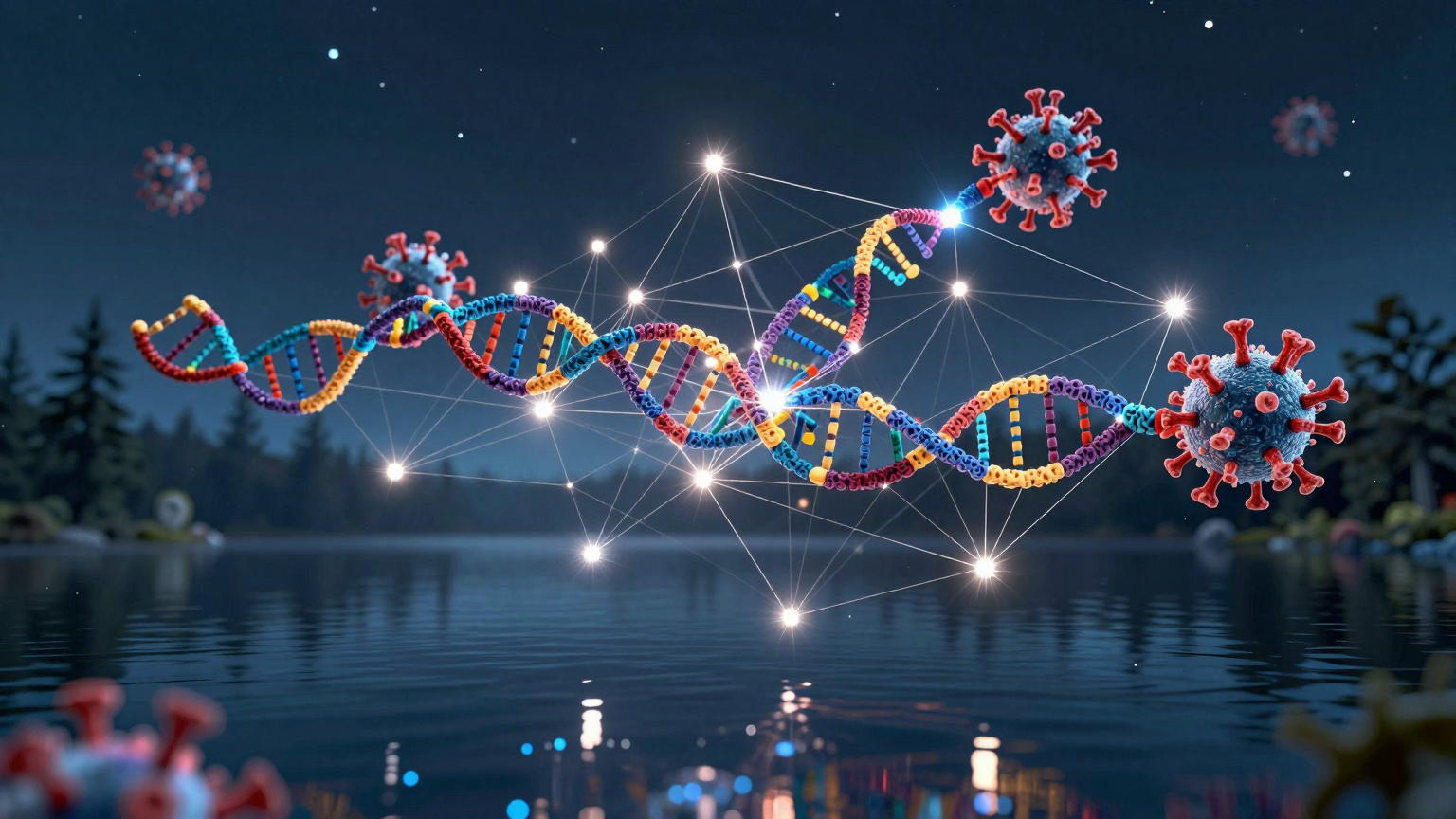
A groundbreaking study has revealed promising new drug targets for the coronavirus, focusing on intricate RNA-protein interactions that play a crucial role in the virus's lifecycle. This discovery, which could pave the way for more effective treatments, was made possible through the use of the eCLIP technique, allowing researchers to map these interactions across the entire SARS-CoV-2 genome.
The research, reported by several scientific outlets, highlights the importance of specific RNA and protein sequences that are involved in essential viral functions. These sequences have been found to be conserved among different types of coronaviruses, suggesting that targeting them could potentially offer benefits against multiple strains of the virus.
This finding is significant because it offers a fresh perspective on how to combat the virus, moving beyond traditional approaches that focus solely on proteins or genetic material. By understanding the complex interplay between RNA and proteins, scientists can develop more nuanced and effective therapeutic strategies.
What we know
Powered by Quantum Forge Robotics with Jessi AI Intelligence
Verification report
- likely
A study identified new drug targets for coronavirus, including RNA-protein interactions.
71% · supported by 2 - unverified
Specific RNA-protein interactions involving RdRp and N protein were found to significantly reduce viral replication.
50% · supported by 1, contradicted by 1 - unverified
Disrupting interaction sites significantly reduced viral replication in Vero and human lung cells.
50% · supported by 1, contradicted by 1 - unverified
Blocking the identified RNA-protein interaction sites reduced viral replication in both animal and human lung cells.
50% · supported by 1, contradicted by 1 - likely
The study used eCLIP technique to map interactions across the SARS-CoV-2 genome.
71% · supported by 2 - likely
Some RNA and protein sequences involved in viral life cycle processes are conserved among coronaviruses.
71% · supported by 2 - unverified
The research was co-led by Joy Xiang from UC Riverside and Gene Yeo from UC San Diego.
50% · supported by 1, contradicted by 1 - unverified
Interactions between N protein and 5′ untranslated region of viral genome were discovered.
50% · supported by 1, contradicted by 1 - unverified
New interaction involving RdRp and RNA encoding NSP3 was identified.
50% · supported by 1, contradicted by 1 - unverified
Understanding core viral interactions could aid in developing treatments effective against multiple coronaviruses.
50% · supported by 1, contradicted by 1