Hubble Reveals Mysterious Oxygen Deficiency in Nearby Dwarf Galaxies
NASA's Hubble Space Telescope has uncovered a surprising lack of oxygen in 37 nearby dwarf galaxies, challenging our understanding of galactic evolution.
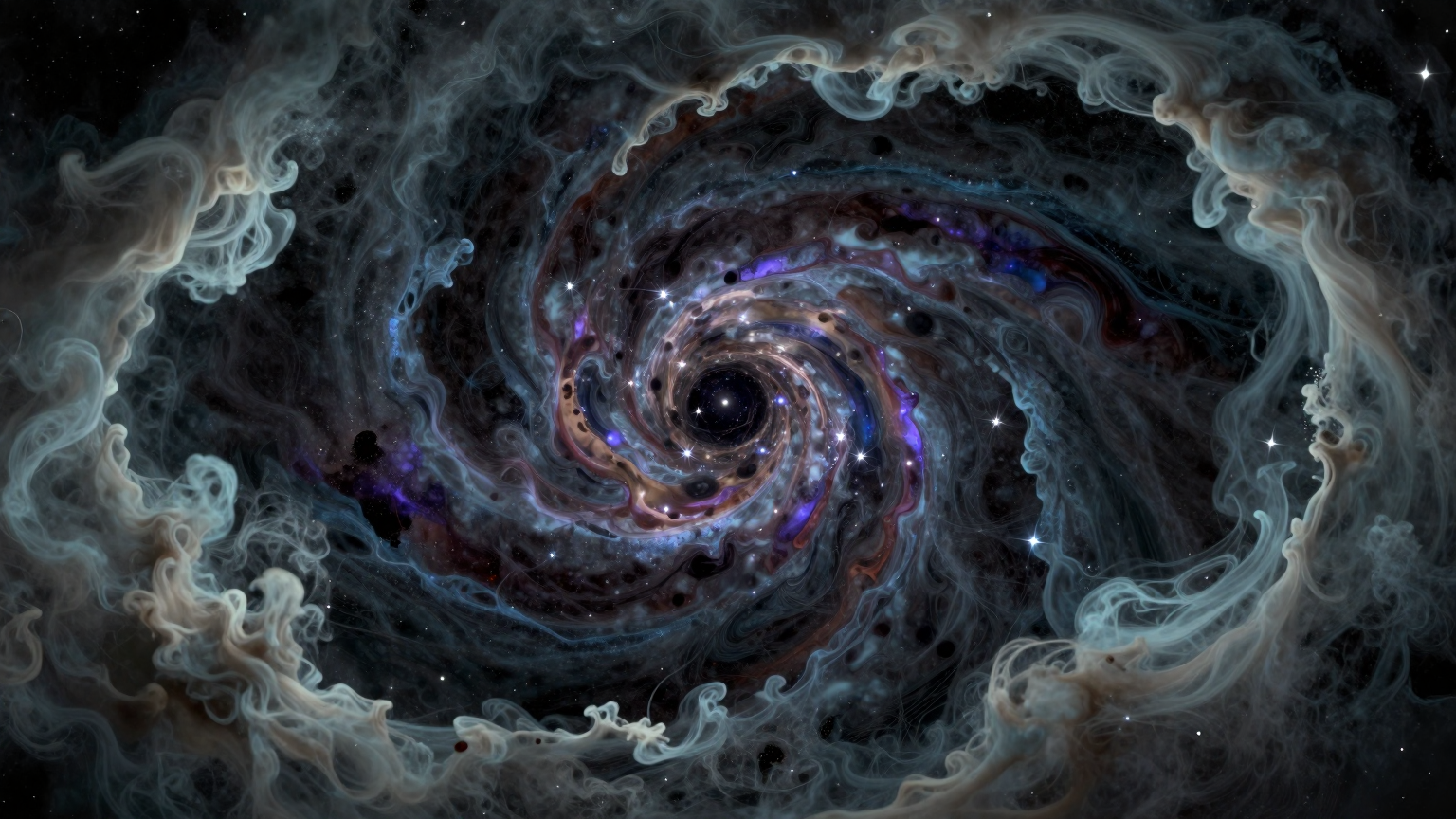
NASA's Hubble Space Telescope has made a groundbreaking discovery, revealing a significant deficiency of oxygen in 37 nearby dwarf galaxies. This finding, which challenges previous assumptions about the elemental composition of these celestial bodies, highlights the dynamic nature of galactic evolution and the role of stellar processes in shaping the universe.
The study, conducted by astronomers using the Hubble Space Telescope, found that these dwarf galaxies contain far less oxygen than expected based on the amount produced by their stars. According to the researchers, the galaxies retain only between 4% and 25% of the oxygen generated by their stellar populations, with an average retention rate of around 11%. This stark contrast to expectations suggests that a substantial portion of the oxygen is being ejected from the galaxies themselves.
Galactic winds, driven by the energy released from massive stars and supernova explosions, are identified as the primary culprits behind this oxygen loss. These powerful winds act like cosmic vacuum cleaners, sweeping up and expelling oxygen-rich material from the galaxies into the surrounding space. This phenomenon not only affects the elemental makeup of the galaxies but also influences the broader environment within which they exist.
Oxygen, being the third most abundant element in the universe after hydrogen and helium, plays a crucial role in the chemical and physical processes that shape galaxies. Its relative abundance makes it an ideal marker for studying the history and dynamics of star formation and evolution. The discovery of its scarcity in these dwarf galaxies provides valuable insights into the mechanisms that govern the distribution of elements throughout the cosmos.
Looking ahead, scientists aim to expand their research to include even smaller galaxies, using a combination of the upcoming Roman Space Telescope, along with the Hubble and James Webb Space Telescopes. This will allow for a more comprehensive understanding of how elemental abundances vary across different scales and environments in the universe.
Previous studies have shown that oxygen can escape larger galaxies into the circumgalactic medium, suggesting a similar process may be at play in dwarf galaxies. However, the extent and mechanism of this process in smaller galaxies remain subjects of ongoing investigation.
What we know
- NASA's Hubble Space Telescope studied 37 nearby dwarf galaxies. 12
- These dwarf galaxies contain far less oxygen than expected based on stellar production. 12
- The galaxies retain between 4% and 25% of the oxygen produced by their stars, averaging about 11%. 12
- Galactic winds, driven by energy from massive stars and supernova explosions, are responsible for ejecting oxygen from the galaxies. 12
- Oxygen is the third most abundant element in the universe after hydrogen and helium, making it easy to detect and measure. 12
- Future research aims to study even smaller galaxies using Roman Space Telescope, Hubble, and James Webb Space Telescope. 12
What remains unclear
- The exact mechanisms and extent to which oxygen escapes from larger galaxies into the circumgalactic medium, as reported in previous studies. 2
Powered by Quantum Forge Robotics with Jessi AI Intelligence
Verification report
- confirmed
NASA's Hubble Space Telescope studied 37 nearby dwarf galaxies.
87% · supported by 2 - confirmed
These dwarf galaxies contain far less oxygen than expected based on stellar production.
87% · supported by 2 - confirmed
The galaxies retain between 4% and 25% of the oxygen produced by their stars, averaging about 11%.
87% · supported by 2 - confirmed
Galactic winds, driven by energy from massive stars and supernova explosions, are responsible for ejecting oxygen from the galaxies.
87% · supported by 2 - confirmed
Oxygen is the third most abundant element in the universe after hydrogen and helium, making it easy to detect and measure.
87% · supported by 2 - confirmed
Future research aims to study even smaller galaxies using Roman Space Telescope, Hubble, and James Webb Space Telescope.
87% · supported by 2 - likely
Previous studies showed that oxygen can escape larger galaxies into the circumgalactic medium.
71% · supported by 1 - unverified
The research uses data from Hubble, Spitzer, Very Large Array, and Australia Telescope Compact Array.
47% · supported by 1, contradicted by 1