Ancient Blood Cells Found in 115 Million-Year-Old Dinosaur Fossil
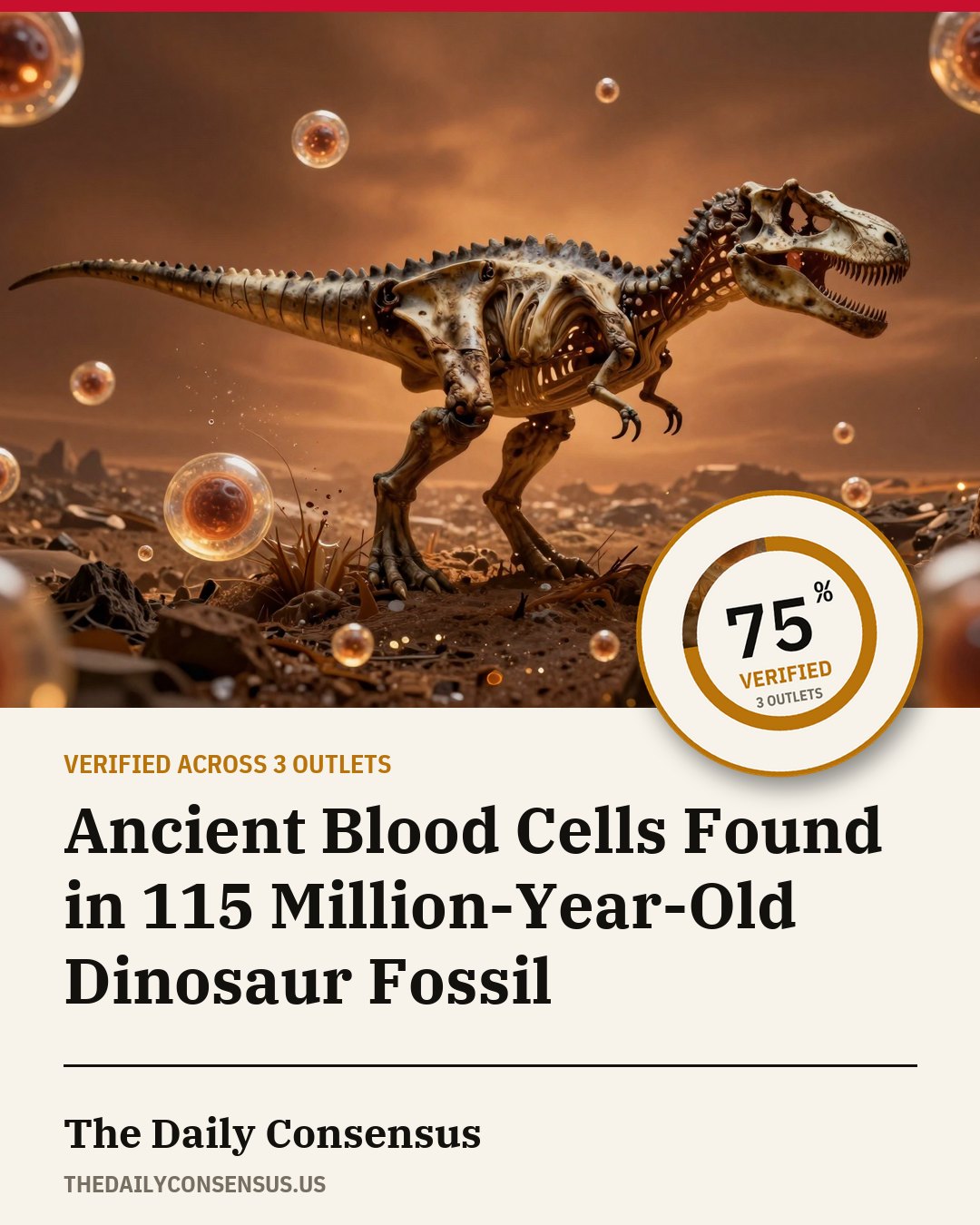
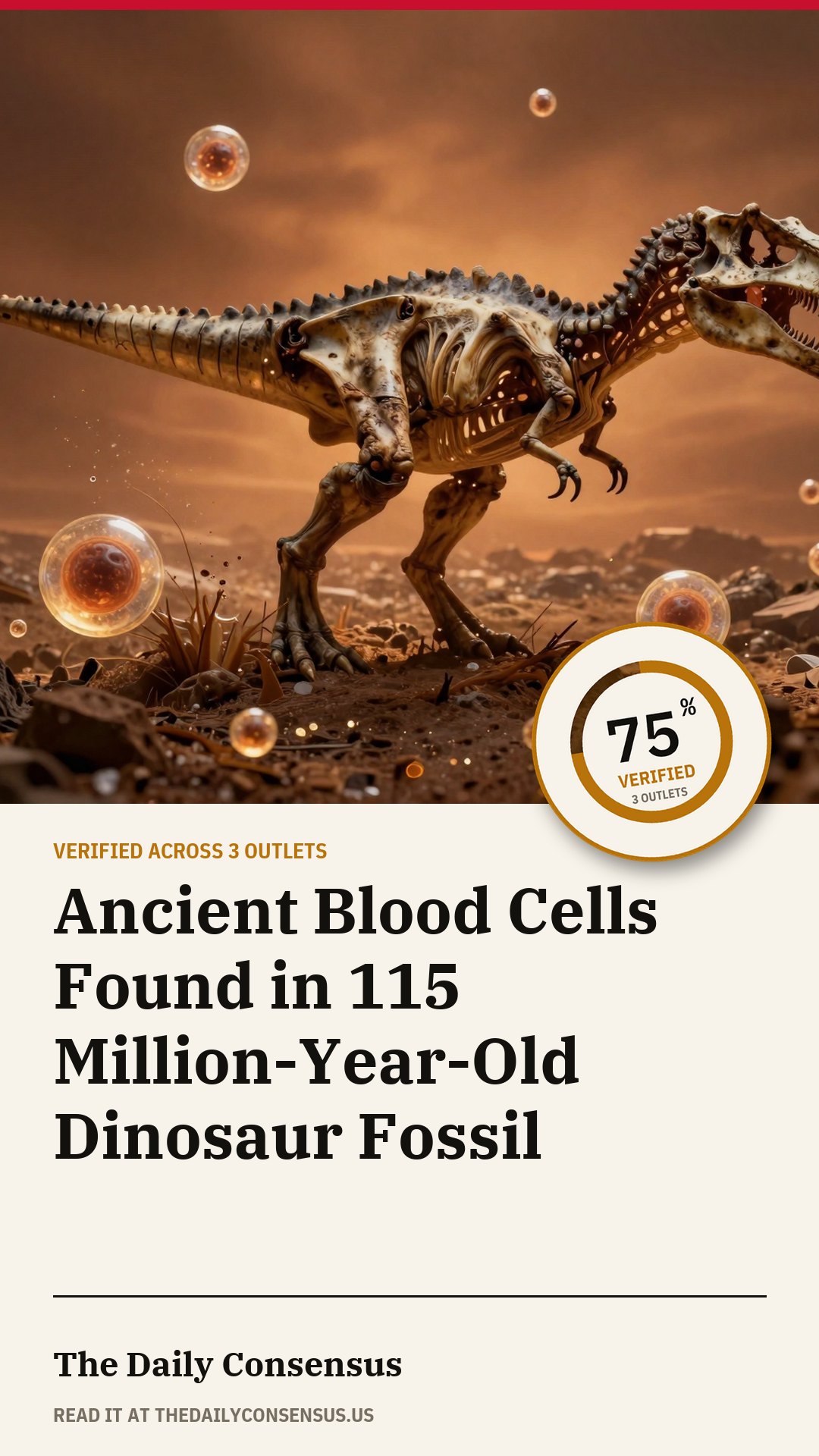
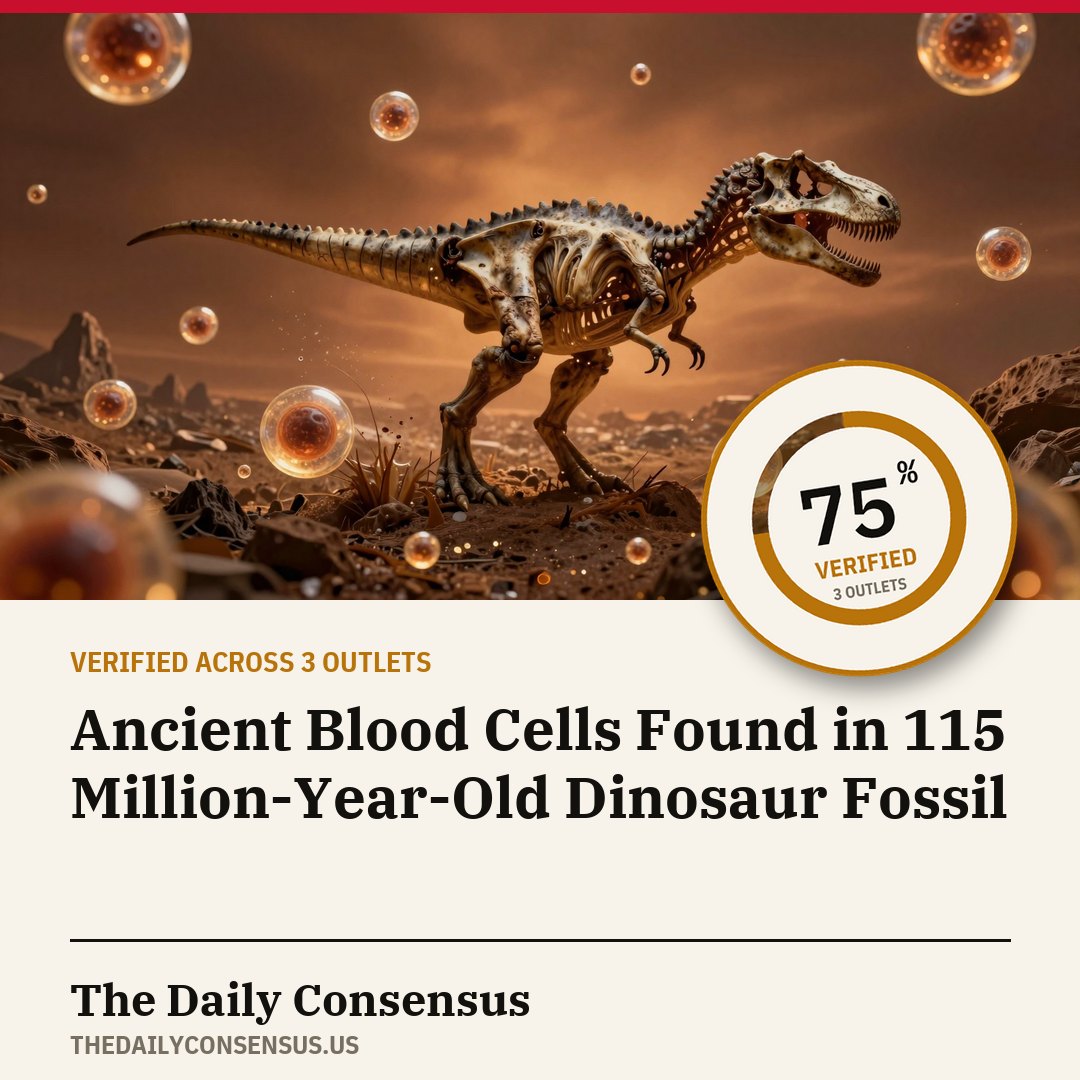
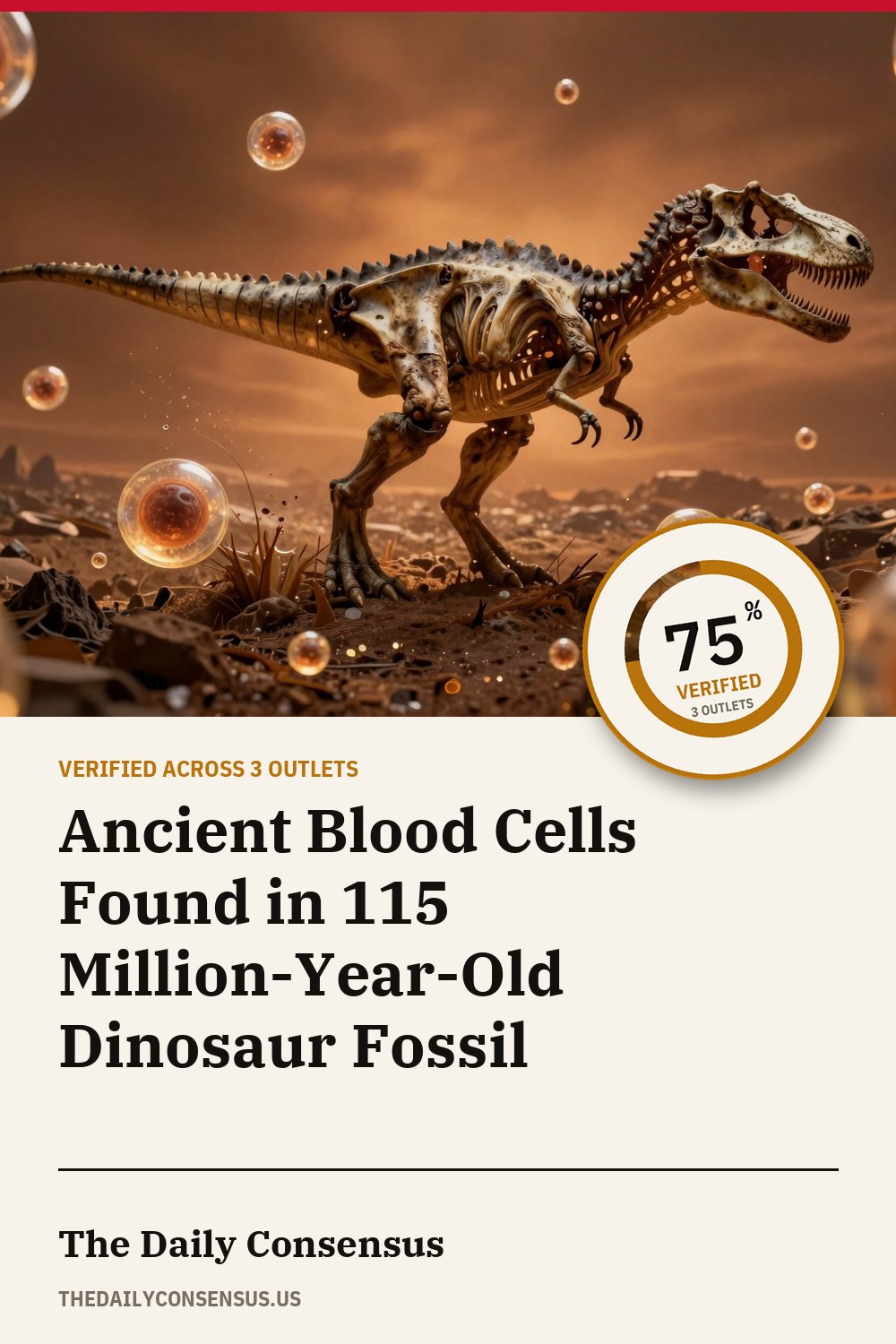
Scientists have discovered what appear to be fossilized red blood cells in the hind leg bones of an Aratasaurus, dating back 115 million years.
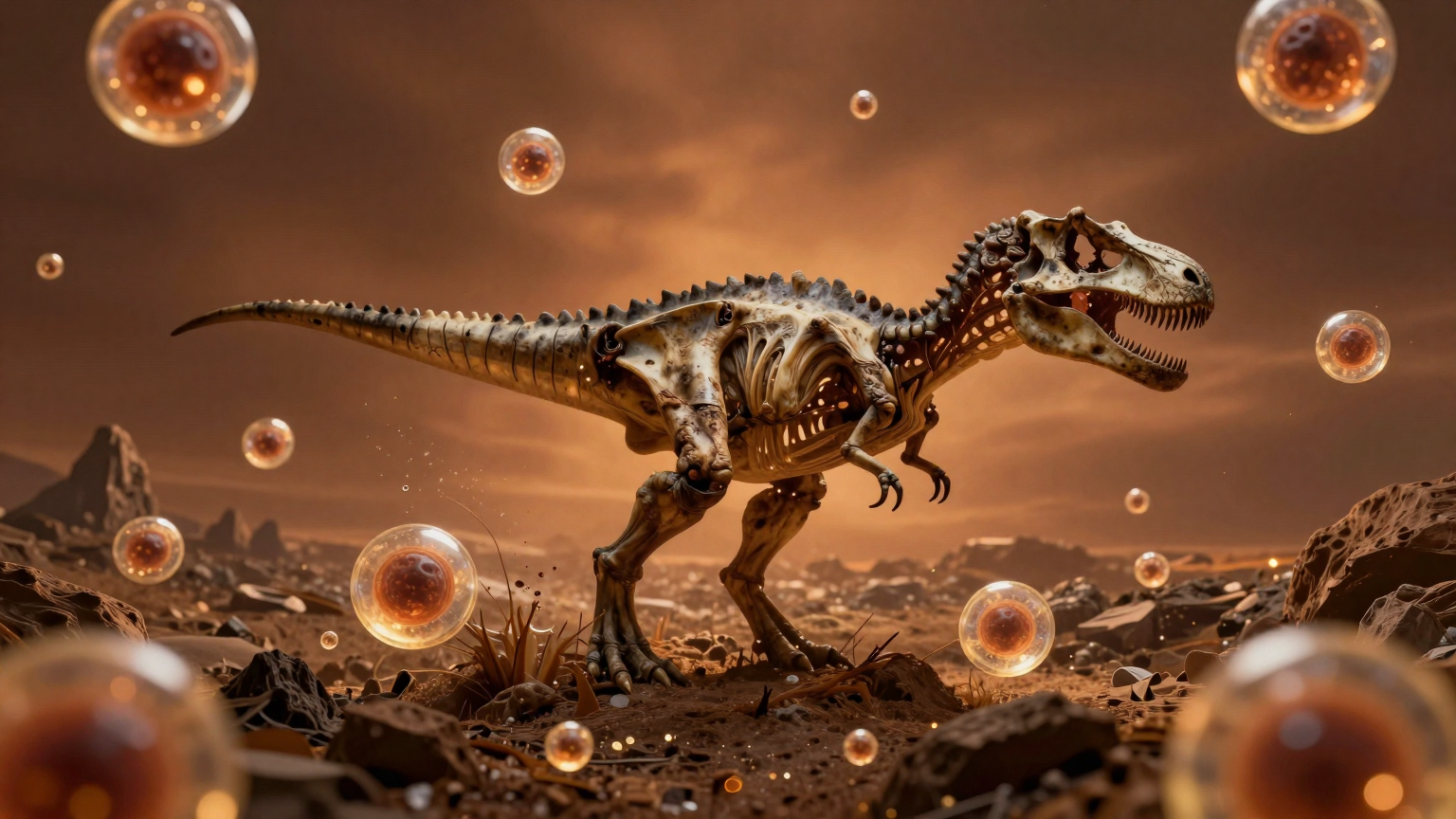
Scientists have made a groundbreaking discovery, identifying what appear to be fossilized red blood cells in the hind leg bones of an Aratasaurus, a small meat-eating dinosaur that roamed northeastern Brazil some 115 million years ago 12. This finding, detailed in a recent study published in the journal PNAS, marks the oldest known chemical evidence of blood-related material in a dinosaur fossil 23.
The research team used advanced chemical tests to identify the presence of heme, the molecule responsible for the red color in blood, within the fossilized remains 12. Additionally, they observed microscopic structures resembling red blood cells through electron microscopy, further supporting their hypothesis 1. These structures were found inside fossilized blood vessels, adding another layer of detail to the remarkable find 3.
The significance of this discovery lies not just in the identification of these ancient cells, but also in the preservation of other organic molecules such as amino acids linked to collagen 1. This suggests that the conditions under which the Aratasaurus was buried played a crucial role in preserving these delicate components over millions of years. One factor that may have contributed to this preservation is the presence of manganese compound hausmannite, which could have helped maintain the integrity of the cellular structures 1.
However, not all experts are convinced. Professor Mary Schweitzer, renowned for her work on dinosaur soft tissues, expressed skepticism about the specific claim of red blood cells but acknowledged the presence of heme and collagen 1. This highlights the ongoing debate in paleontology about the nature and extent of preservation in dinosaur fossils.
The Aratasaurus, named after the Brazilian city where it was discovered, is estimated to have been around 3 meters long and weighed approximately 34 kilograms 3. Its fossilized remains were first unearthed in a mine in 2008, providing scientists with a unique opportunity to study the internal structures of this ancient creature 13.
This discovery not only sheds light on the biology of dinosaurs but also challenges our understanding of how organic materials can persist over geological timescales. The larger-than-average size of the red blood cells, compared to those of modern birds and crocodiles, suggests either swelling during fossilization or a larger size in the Aratasaurus itself 3.
What we know
- - Scientists found what appear to be fossilized red blood cells in the hind leg bones of an Aratasaurus 12
- - Chemical tests identified the presence of heme, the molecule responsible for the red color in blood 12
- - The limb bones of the dinosaur contained microscopic structures resembling red blood cells 2
- - The fossilized remains of the Aratasaurus were discovered in a mine in 2008 13
- - The structures resembling red blood cells were observed using electron microscopy 1
- - Tests also detected traces of amino acids associated with collagen 1
- - Manganese compound hausmannite may have helped preserve the structures 1
- - The fossil belongs to a dinosaur called Aratasaurus museunacionali, approximately 10 feet long 2
- - The research was published in the journal PNAS on November 2, 2026 2
- - Haem B, a component of hemoglobin, was detected in the cells 3
- - The red blood cells were found inside fossilized blood vessels 3
- - The Aratasaurus was estimated to be around 3 meters long and weighed approximately 34 kilograms 3
- - The red blood cells were larger than those of modern birds and crocodiles, suggesting either swelling during fossilization or a larger size in the species 3

Powered by Quantum Forge Robotics with Jessi AI Intelligence
Verification report
- confirmed
Scientists found what appear to be fossilized red blood cells in the hind leg bones of an Aratasaurus, a small meat-eating dinosaur.
86% · supported by 2 - confirmed
Chemical tests identified the presence of heme, the molecule responsible for the red color in blood.
86% · supported by 2 - likely
Red blood cells and heme-related compounds were found in a 115 million-year-old dinosaur fossil from Brazil.
71% · supported by 1 - likely
The discovery is considered the oldest chemical evidence of blood-related material in a dinosaur fossil.
71% · supported by 1 - likely
The limb bones of the dinosaur contained microscopic structures resembling red blood cells.
71% · supported by 1 - confirmed
The Aratasaurus lived 115 million years ago in what is now northeastern Brazil.
86% · supported by 2 - confirmed
The fossilized remains of the Aratasaurus were discovered in a mine in 2008.
86% · supported by 2 - likely
The structures resembling red blood cells were observed using electron microscopy.
72% · supported by 1 - likely
Tests also detected traces of amino acids associated with collagen.
72% · supported by 1 - likely
Manganese compound hausmannite may have helped preserve the structures.
72% · supported by 1 - likely
Prof Mary Schweitzer expressed skepticism about the findings regarding red blood cells but accepted the presence of heme and collagen.
72% · supported by 1 - likely
The fossil belongs to a dinosaur called Aratasaurus museunacionali, approximately 10 feet long.
71% · supported by 1 - likely
The research was published in the journal PNAS on November 2, 2026.
71% · supported by 1 - likely
Haem B, a component of hemoglobin, was detected in the cells.
71% · supported by 1 - likely
The red blood cells were found inside fossilized blood vessels.
71% · supported by 1 - likely
The Aratasaurus was estimated to be around 3 meters long and weighed approximately 34 kilograms.
71% · supported by 1 - likely
The red blood cells were larger than those of modern birds and crocodiles, suggesting either swelling during fossilization or a larger size in the species.
71% · supported by 1