Over a Third of Babies Thought to Have Peanut Allergy Can Outgrow It by Age One
A new study reveals that many infants previously diagnosed with peanut allergies may not actually have the condition, leading to potential changes in treatment approaches.
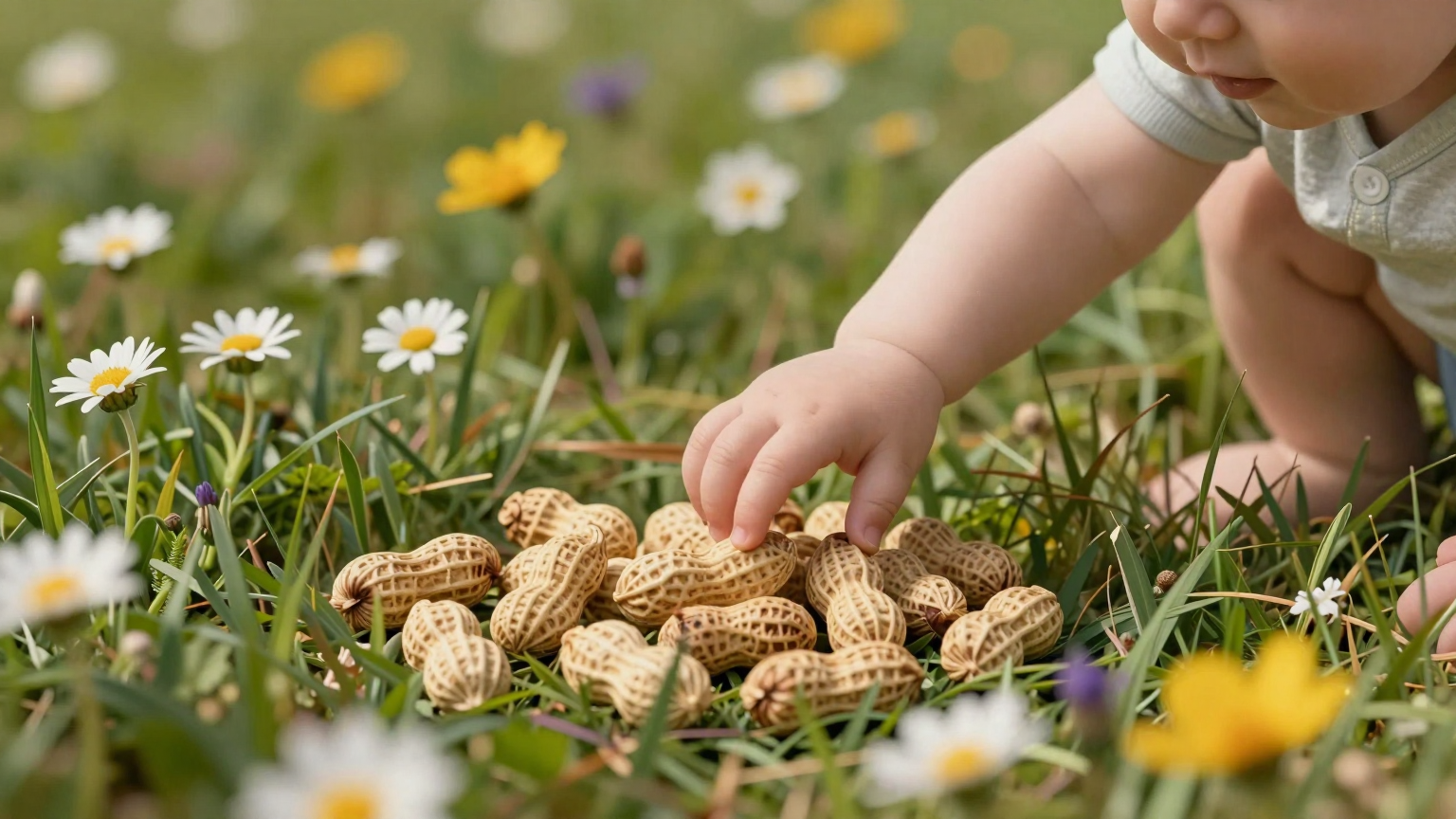
Over a third of babies thought to have peanut allergies can outgrow the condition by the age of just one year, according to recent research. This finding highlights the importance of conducting oral food challenges before beginning treatment, as it can help identify which infants truly have a peanut allergy and which do not.1
The study, involving 1,275 infants under 18 months old, found that 35 percent of those tested did not react to any dose of peanut flour during the oral food challenge, indicating they did not have a peanut allergy after all.2 This significant proportion suggests that many children might be unnecessarily avoiding peanuts due to a misdiagnosis, leading to fewer restrictions on food choices and reduced anxiety for both the child and parents.1
Australia, known for its high rates of childhood food allergies, has taken a proactive approach to addressing peanut allergies. Since 2024, the country has offered free peanut allergy treatment to all babies under 12 months, with the treatment involving gradually increasing doses of peanut flour over two years to desensitize the infant.1 This initiative, part of the ADAPT Peanut Oral Immunotherapy Program, is the first such program offered in Australian public hospitals for infants outside of a clinical trial setting.2
The ADAPT Program aims to reduce the burden of food allergy for children and their families, making it a crucial step forward in managing peanut allergies in early childhood.2 The study also indicates that the average time between initial diagnosis and oral food challenge was six months, suggesting there is often a delay in confirming the true nature of the allergy.1
Of the 778 infants who underwent the oral food challenge, 65 percent had a reaction, including 12 percent who experienced anaphylaxis, though all reactions were managed safely.2 These results underscore the need for careful monitoring and supervision during the challenge process, ensuring the safety of the infants while accurately diagnosing their condition.
The findings from this study suggest that a supervised oral food challenge should be routinely considered to confirm peanut allergy diagnosis before starting oral immunotherapy. This approach not only helps to accurately identify which infants truly have a peanut allergy but also ensures that those without the condition can enjoy a wider range of foods without worry.2
In summary:
- Over a third of babies thought to have peanut allergies can outgrow the condition by the age of one year.
- 35 percent of tested infants did not react to any dose of peanut flour during the oral food challenge.
- Australia offers free peanut allergy treatment to all babies under 12 months since 2024.
- The ADAPT Peanut Oral Immunotherapy Program is the first such program offered in Australian public hospitals for infants outside of a clinical trial setting.
- About a third of children with peanut allergies naturally outgrow them by age 6.
- Removing the peanut allergy label means fewer restrictions on food choices and less anxiety for the child and parents.
- The study suggests that a supervised oral food challenge should be routinely considered to confirm peanut allergy diagnosis before starting oral immunotherapy.
- The average time between initial diagnosis and oral food challenge was six months.
- Australia has among the highest reported rates of childhood food allergies in the world, with peanut allergy affecting approximately one in thirty children.

Powered by Quantum Forge Robotics with Jessi AI Intelligence
Trust Score report
- likely
Over a third of babies with peanut allergies can outgrow the condition by the age of 1 year.
71% · supported by 1 - likely
Out of 778 babies tested, 35% did not react to any dose of peanut flour during the oral food challenge.
71% · supported by 1 - likely
Over a third of babies thought to have a peanut allergy do not actually have it after an oral food challenge.
71% · supported by 1 - likely
Australia offers free peanut allergy treatment to all babies under 12 months since 2024.
71% · supported by 1 - likely
The treatment involves gradually increasing doses of peanut flour over two years to desensitize the infant.
71% · supported by 1 - likely
About a third of children with peanut allergies naturally outgrow them by age 6.
71% · supported by 1 - likely
Removing the peanut allergy label means fewer restrictions on food choices and less anxiety for the child and parents.
71% · supported by 1 - likely
Conducting oral food challenges before starting treatment could be cost-effective and important for confirming peanut allergy diagnosis.
71% · supported by 1 - likely
The study involved 1,275 infants under 18 months old, with 778 undergoing an oral food challenge.
71% · supported by 1 - likely
Without the oral food challenge, these children would likely continue to avoid peanuts due to the fear of triggering an allergic reaction.
71% · supported by 1 - likely
The ADAPT Peanut Oral Immunotherapy Program, launched in 2024, is the first peanut allergy treatment program offered in Australian public hospitals for infants outside of a clinical trial setting.
71% · supported by 1 - likely
Of the infants who underwent the challenge, 65% had a reaction, including 12% who experienced anaphylaxis, but all reactions were managed safely.
71% · supported by 1 - likely
The study suggests that a supervised oral food challenge should be routinely considered to confirm peanut allergy diagnosis before starting oral immunotherapy.
71% · supported by 1 - likely
The average time between initial diagnosis and oral food challenge was six months.
71% · supported by 1 - likely
Australia has among the highest reported rates of childhood food allergies in the world, with peanut allergy affecting approximately one in thirty children.
71% · supported by 1 - likely
The ADAPT Program aims to reduce the burden of food allergy for children and their families.
71% · supported by 1
Sources & references
- New Scientist — A third of babies with peanut allergy grow out of it by 1 year old
- Medical Xpress — A third of babies have peanut allergy diagnosis removed