Marathoner Dies from Rare Condition During NYC Race
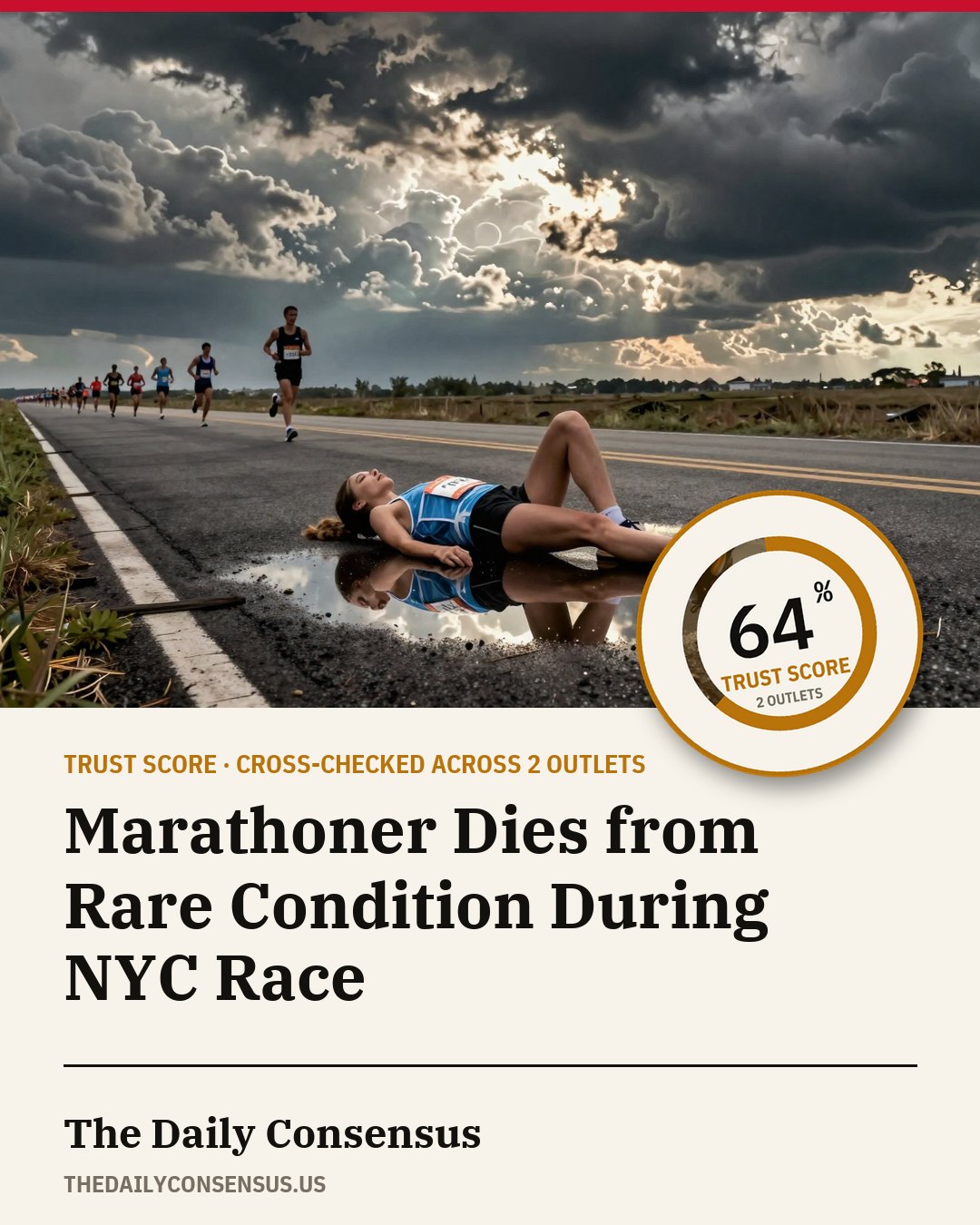
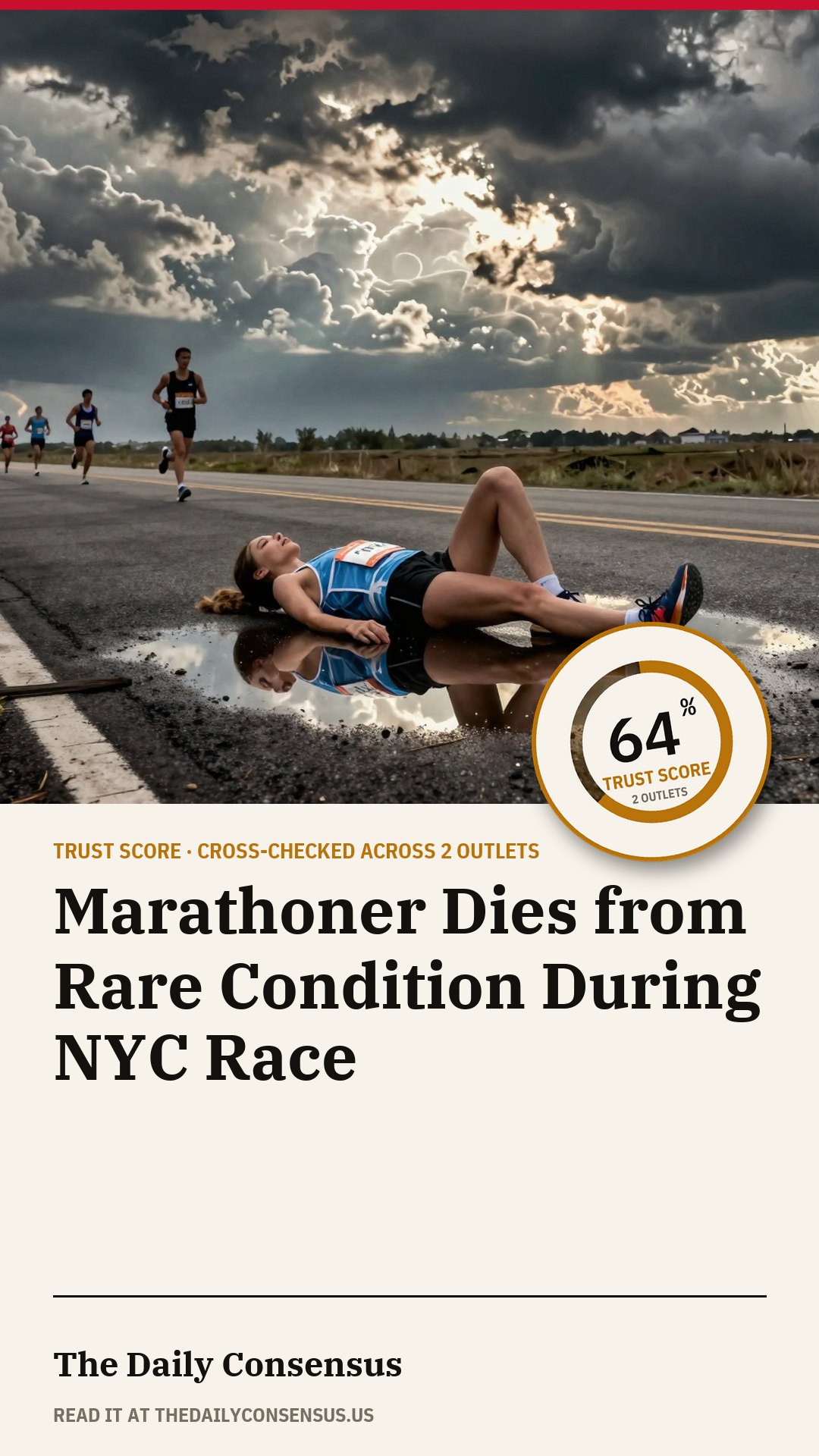
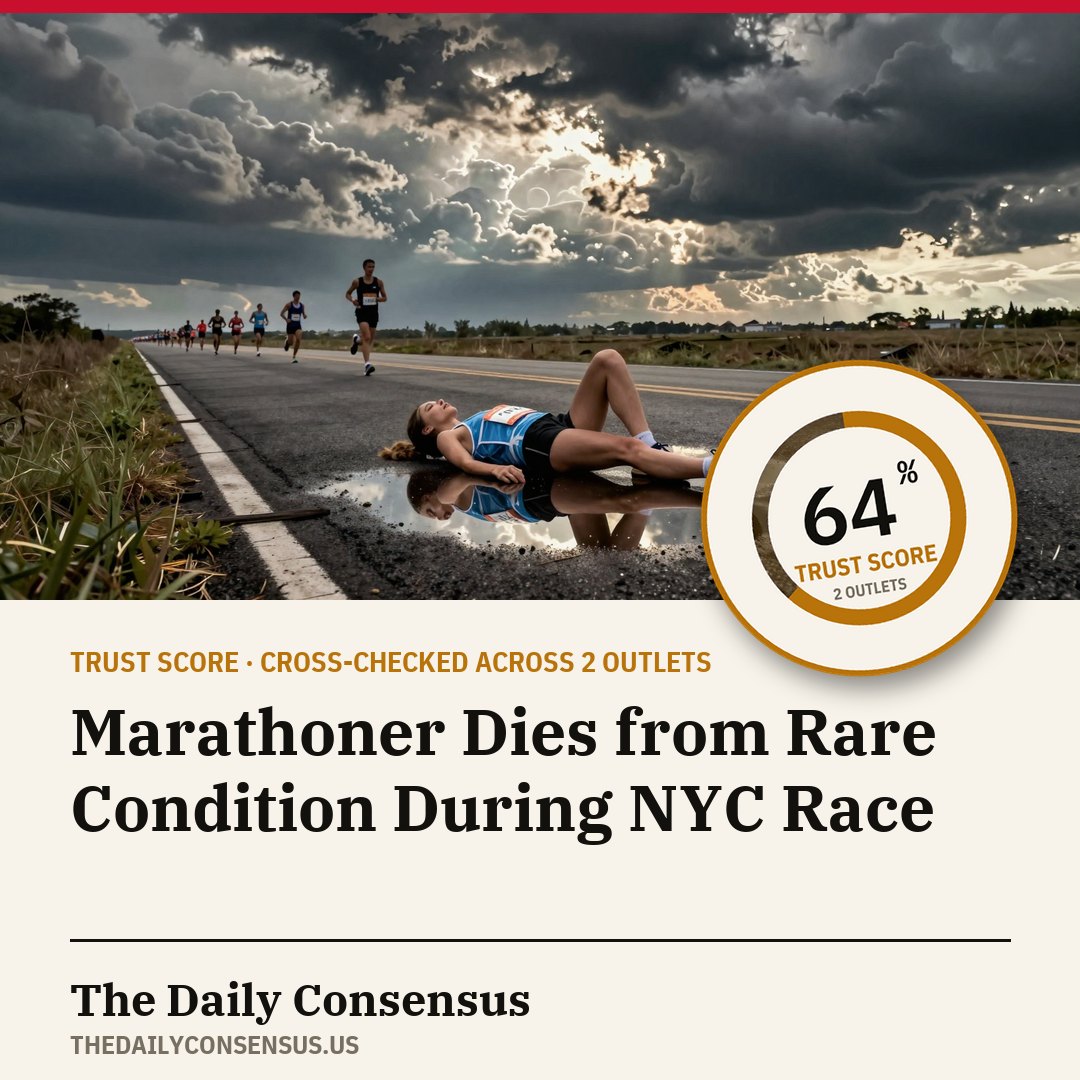
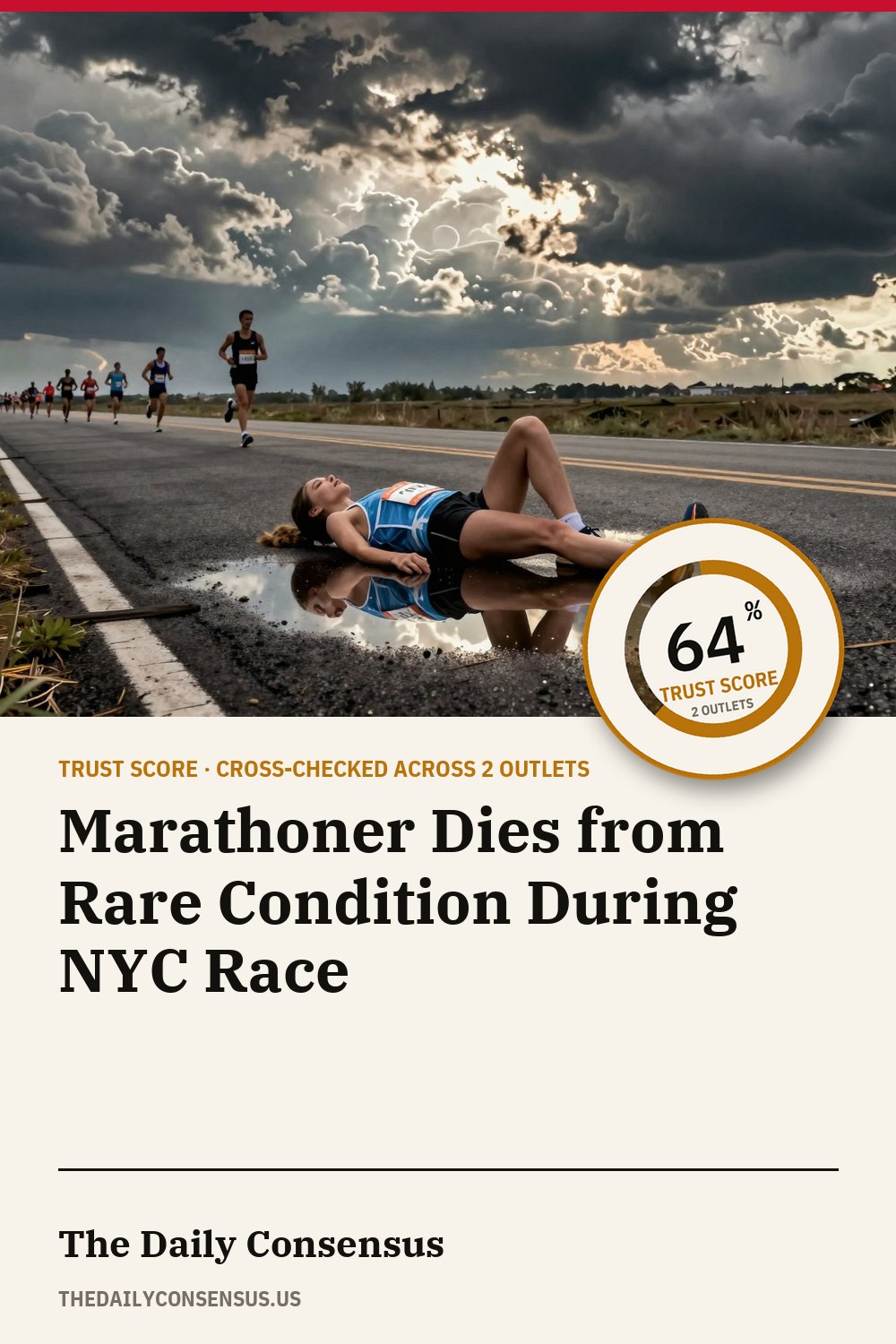
A 24-year-old woman succumbed to rhabdomyolysis during the TCS New York City Marathon, highlighting the dangers of intense exercise.

A 24-year-old woman named Rachel Apa tragically lost her life during the TCS New York City Marathon, reported CBS News and E! News. The young runner, who had expressed joy and enthusiasm about her progress in the race, ultimately fell victim to rhabdomyolysis, a rare condition that can be triggered by intense physical activity.
Rachel’s father, who had been receiving texts from his daughter throughout the marathon, noted that she had sent him a message saying 'I feel amazing' after passing the 9-mile mark. However, just moments later, she began experiencing severe pain, which prompted her to send another text to her father expressing discomfort. This sudden onset of pain is indicative of the symptoms often associated with rhabdomyolysis, a condition where damaged muscle tissue releases harmful substances into the bloodstream.
The condition is particularly prevalent among individuals engaging in very intense exercise, especially under conditions of heat, dehydration, or illness. In Rachel’s case, these factors likely contributed to the onset of rhabdomyolysis. Despite the severity of her condition, a bystander quickly sprang into action, performing CPR on Rachel until medical professionals could take over. She was then swiftly transported to Mount Sinai Hospital via ambulance, where she received further treatment including CPR and the use of a defibrillator.
Sadly, despite the heroic efforts of both the bystander and medical staff, Rachel was pronounced dead approximately six hours after paramedics arrived at Mount Sinai Medical Center. Her story serves as a poignant reminder of the potential risks associated with pushing one’s body to its limits during athletic events, even when feeling well and enthusiastic.
Rhabdomyolysis is a relatively uncommon condition, with around 26,000 cases diagnosed annually in the United States. It underscores the importance of monitoring one’s health closely during strenuous activities, especially in challenging environmental conditions. Rachel’s father had wisely advised her not to overexert herself, given that it was her first marathon, but unfortunately, the intensity of the event proved too much for her body to handle.
What We Know
- A 24-year-old woman named Rachel Apa died during the TCS New York City Marathon. 12
- Approximately 26,000 people in the U.S. are diagnosed with rhabdomyolysis annually. 12
- A bystander performed CPR on Rachel until medical staff took over. 1
- Rachel was transported to Mount Sinai hospital by ambulance. 1
- Rachel's father stated she had been texting him about pain earlier in the race. 1
- Rhabdomyolysis can occur due to very intense exercise, especially in hot weather, dehydration, or illness. 1
- Rachel Apa had texted her father 'I feel amazing' after passing the 9-mile mark of the marathon. 2
- Rachel Apa's father advised her not to overexert herself as it was her first marathon. 2
- Rhabdomyolysis occurs when damaged muscle tissue releases harmful substances into the bloodstream. 2
- Rachel Apa received CPR and use of a defibrillator before being taken to Mount Sinai Medical Center. 2
- Rachel Apa was pronounced dead six hours after paramedics arrived at Mount Sinai Medical Center. 2

Powered by Quantum Forge Robotics with Jessi AI Intelligence
Trust Score report
- likely
A 24-year-old woman named Rachel died during the TCS New York City Marathon.
83% · supported by 2 - likely
About 26,000 people in the U.S. are diagnosed with rhabdomyolysis annually.
83% · supported by 2 - likely
A bystander performed CPR on Rachel until medical staff took over.
71% · supported by 1 - likely
Rachel was transported to Mount Sinai hospital by ambulance.
71% · supported by 1 - likely
Rachel's father stated she had been texting him about pain earlier in the race.
71% · supported by 1 - likely
Rhabdomyolysis can occur due to very intense exercise, especially in hot weather, dehydration, or illness.
71% · supported by 1 - likely
Rachel Apa had texted her father 'I feel amazing' after passing the 9-mile mark of the marathon.
67% · supported by 1 - likely
Rachel Apa's father advised her not to overexert herself as it was her first marathon.
67% · supported by 1 - likely
Rhabdomyolysis occurs when damaged muscle tissue releases harmful substances into the bloodstream.
67% · supported by 1 - likely
Rachel Apa received CPR and use of a defibrillator before being taken to Mount Sinai Medical Center.
67% · supported by 1 - likely
Rachel Apa was pronounced dead six hours after paramedics arrived at Mount Sinai Medical Center.
67% · supported by 1 - unverified
Rachel collapsed at Mile 24 of the race.
54% · supported by 1, contradicted by 1 - unverified
Symptoms of rhabdomyolysis include muscle pain, weakness, and dark urine resembling tea or cola.
54% · supported by 1, contradicted by 1 - unverified
Treatment for rhabdomyolysis includes IV fluids and monitoring of potassium levels.
54% · supported by 1, contradicted by 1 - unverified
Rachel collapsed approximately two miles from the finish line of the New York City Marathon.
46% · supported by 1, contradicted by 1 - unverified
Symptoms of rhabdomyolysis include sore or weak muscles, swelling, and dark or discolored urine.
46% · supported by 1, contradicted by 1 - unverified
Treatment for rhabdomyolysis typically involves intravenous fluids and electrolytes.
46% · supported by 1, contradicted by 1