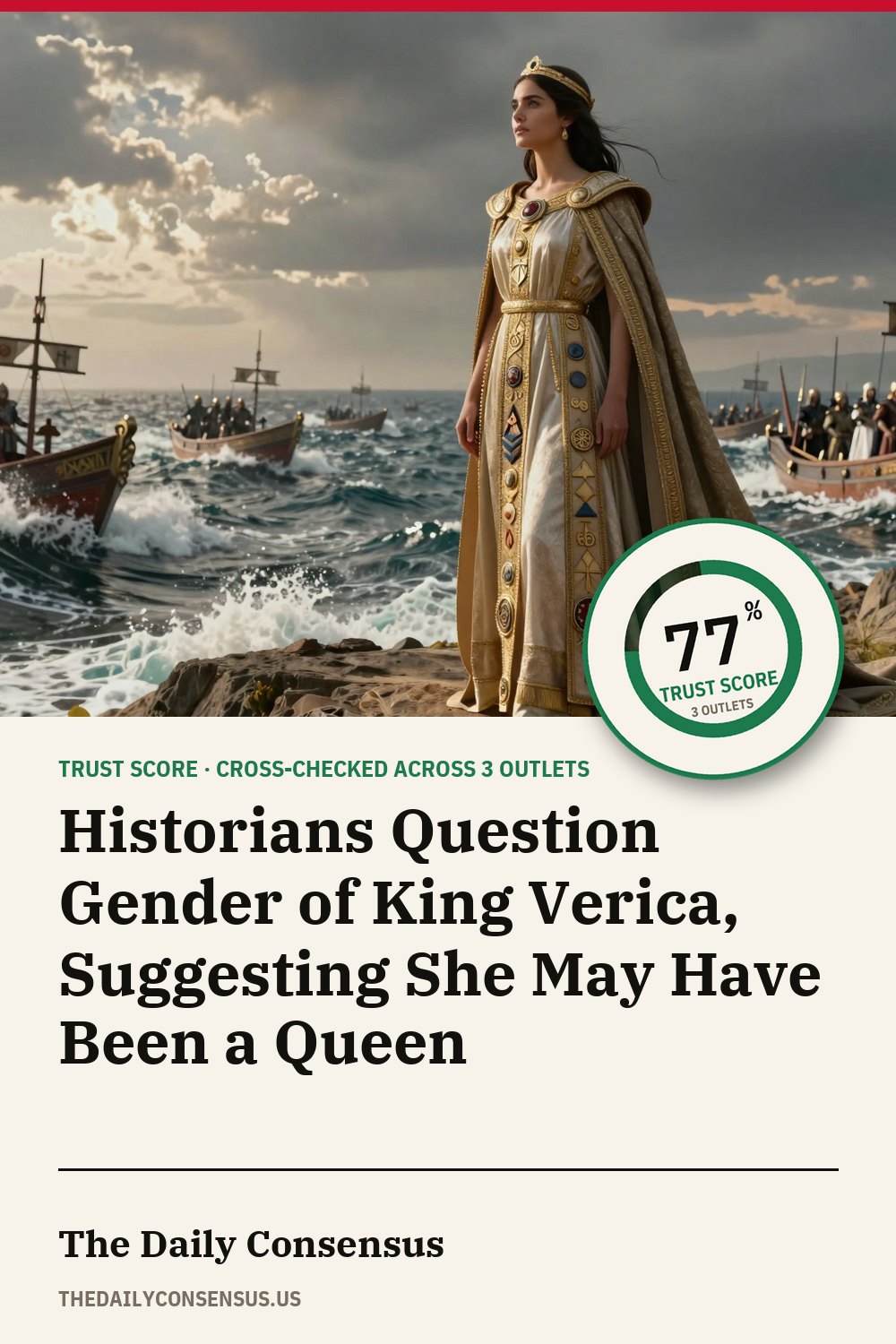
Historians Question Gender of King Verica, Suggesting She May Have Been a Queen
New evidence challenges traditional views of Verica, the Atrebatean ruler who invited Roman forces to invade Britain.
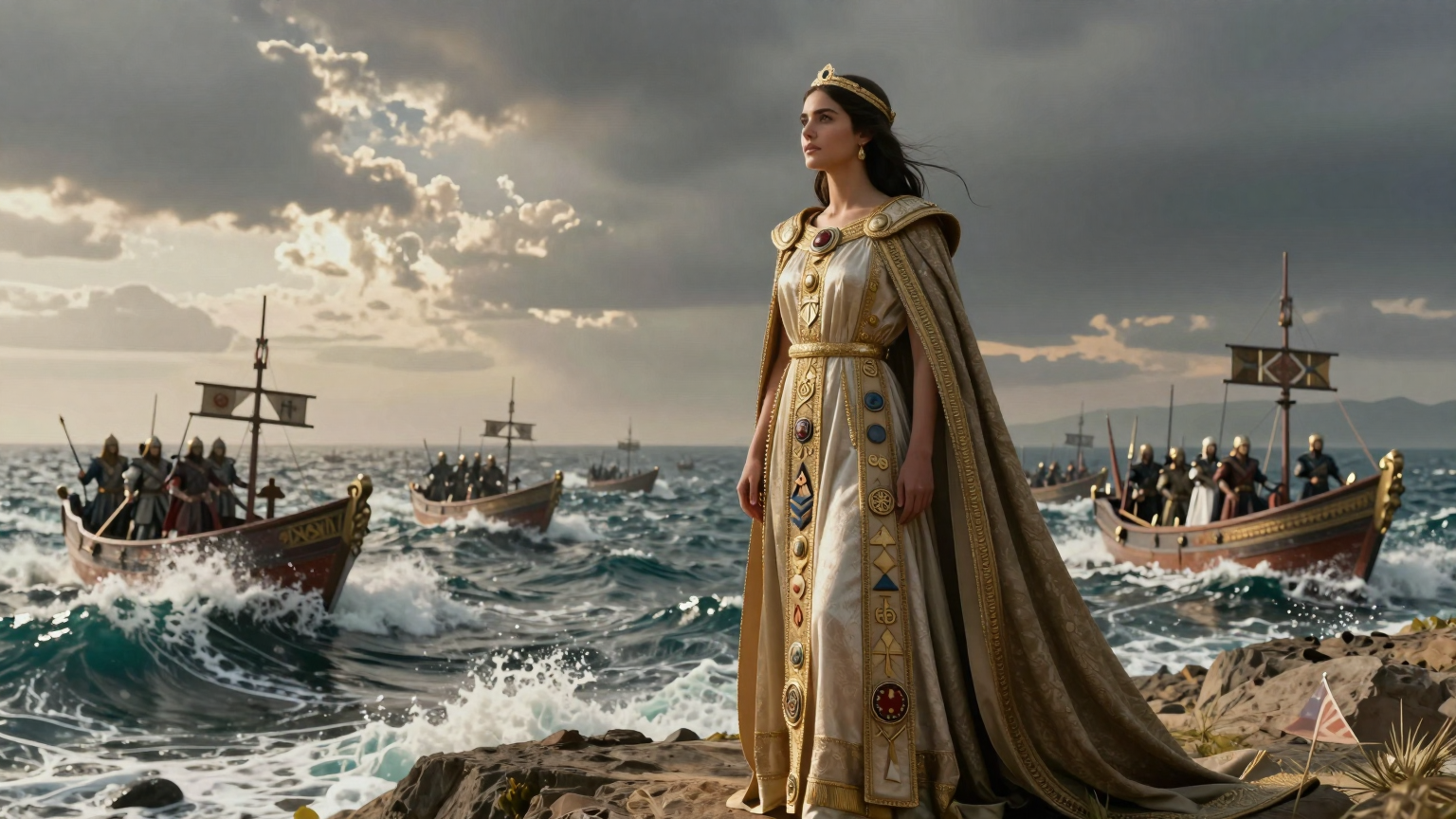
In a surprising twist to historical understanding, scholars now suggest that Verica, the Atrebatean king who famously invited Roman forces to invade Britain in AD 43, might have been a queen rather than a king. This revelation comes as researchers delve deeper into the linguistic and cultural nuances of ancient Britain, uncovering clues that challenge long-held assumptions about Verica’s gender.
Roman troops under Emperor Claudius invaded Britain in AD 43, marking a pivotal moment in British history. Verica, who ruled the Atrebates tribe controlling parts of southern Hampshire and West Sussex, played a crucial role in this event. Her influence over Claudius was significant, persuading him to launch the invasion that would reshape the political landscape of Britain 123.
One of the key pieces of evidence pointing towards Verica’s potential female identity is the ending of her name with 'a', which in Iron Age Britain typically indicated a female name. Additionally, coins from her reign depict a slender, feminine figure riding a horse, contrasting sharply with the male figures depicted on coins of other rulers 123.
However, the case is not entirely straightforward. While some coins show a female figure, others depict a male figure in priestly dress or with an Adam’s apple, suggesting there may be more complexity to Verica’s identity than initially thought 1. Furthermore, the term 'Rex' on Verica’s coins does not necessarily imply gender, as it was used for allies on the Roman Empire’s edges, and abbreviated Latin inscriptions could mean 'daughter of' instead of 'son of' 13.
Professor Roger Tomlin highlights the existence of the masculine form 'Vericus' as a strong argument for 'Verica' being feminine, adding another layer to the debate 1. Ancient DNA studies also support the idea of women holding significant status in Iron Age southern Britain, further bolstering the possibility of Verica’s female identity 3.
The historical narrative of Verica’s role as a key figure in the Roman invasion is well-established. She reportedly sought refuge with Claudius in Rome after being exiled due to the rise of Caratacus, and provided crucial tactical information and support for the Roman forces 123. Her influence extended beyond mere diplomacy; Verica’s strategic insights were deemed essential for the success of the Roman invasion 2.
Verica’s coins, featuring depictions of female warriors on horseback, align better with Roman narratives about Claudius being influenced by powerful women, adding another intriguing dimension to her story 3. This discovery not only reshapes our understanding of Verica’s identity but also highlights the complex social structures and gender roles in Iron Age Britain 3.
What we know
- - Roman troops under Emperor Claudius invaded Britain in AD 43 123
- - Verica ruled the Atrebates tribe, controlling parts of southern Hampshire and West Sussex 123
- - Verica’s name ending with 'a' suggests she was female 123
- - Verica persuaded Claudius to invade Britain in AD 43 23
- - Verica provided tactical information and support for the Roman invasion 2
- - Verica’s coins depict a slender, feminine figure riding a horse 23
- - Verica may have been the daughter of Commios, instead of his son, based on coin inscriptions 3
- - Verica is considered one of the earliest and most important female leaders in Britain 23

Powered by Quantum Forge Robotics with Jessi AI Intelligence
Trust Score report
- confirmed
Roman troops under Emperor Claudius invaded Britain in AD 43.
94% · supported by 3 - confirmed
Verica ruled the Atrebates tribe, which controlled parts of southern Hampshire and West Sussex.
94% · supported by 3 - confirmed
Verica's name ending with 'a' suggests she was female.
94% · supported by 3 - confirmed
Verica persuaded Claudius to invade Britain in AD 43.
85% · supported by 2 - likely
Verica was exiled and sought refuge with Claudius in Rome after the rise of Caratacus.
72% · supported by 1 - likely
Coins from Verica's rule depict a naked woman on horseback, contrasting with male figures on coins of other rulers.
72% · supported by 1 - likely
Abbreviated Latin inscriptions on Verica's coins could mean 'daughter of' instead of 'son of'.
72% · supported by 1 - likely
Term 'Rex' on Verica's coins does not necessarily imply gender, used for allies on the Roman empire's edge.
72% · supported by 1 - likely
Prof Roger Tomlin notes existence of masculine form 'Vericus' as strong argument for 'Verica' being feminine.
72% · supported by 1 - likely
Some coins depicting Verica show a male figure in priestly dress or with an Adam's apple, indicating possible male identity.
72% · supported by 1 - likely
Verica's coins depict a slender, feminine figure riding a horse.
71% · supported by 1 - likely
Verica provided tactical information and support for the Roman invasion.
71% · supported by 1 - likely
Verica's role was crucial for the success of the Roman invasion.
71% · supported by 1 - likely
Verica is considered one of the earliest and most important female leaders in Britain.
71% · supported by 1 - likely
Verica's name ending in 'a' suggests she was female, as names ending in 'os' or 'us' were typically male in Iron Age Britain.
71% · supported by 1 - likely
Coins bearing Verica's name depict female warriors on horseback, unlike other leaders who are shown as male.
71% · supported by 1 - likely
Verica may have been the daughter of Commios, instead of his son, based on coin inscriptions.
71% · supported by 1 - likely
The Roman historian Cassius Dio recorded Verica as Berikos, who fled Britain after an uprising and sought help from Claudius.
71% · supported by 1 - likely
Verica's depiction as a female ruler aligns better with Roman narratives about Claudius being influenced by women.
71% · supported by 1 - likely
Ancient DNA studies indicate women often held significant status in Iron Age southern Britain, supporting Verica's potential role as a female ruler.
71% · supported by 1