UAE Considers Third Oil Pipeline to Bypass Strategic Strait of Hormuz
The United Arab Emirates is exploring options to build a new pipeline to enhance its oil export capabilities and reduce reliance on the Strait of Hormuz.
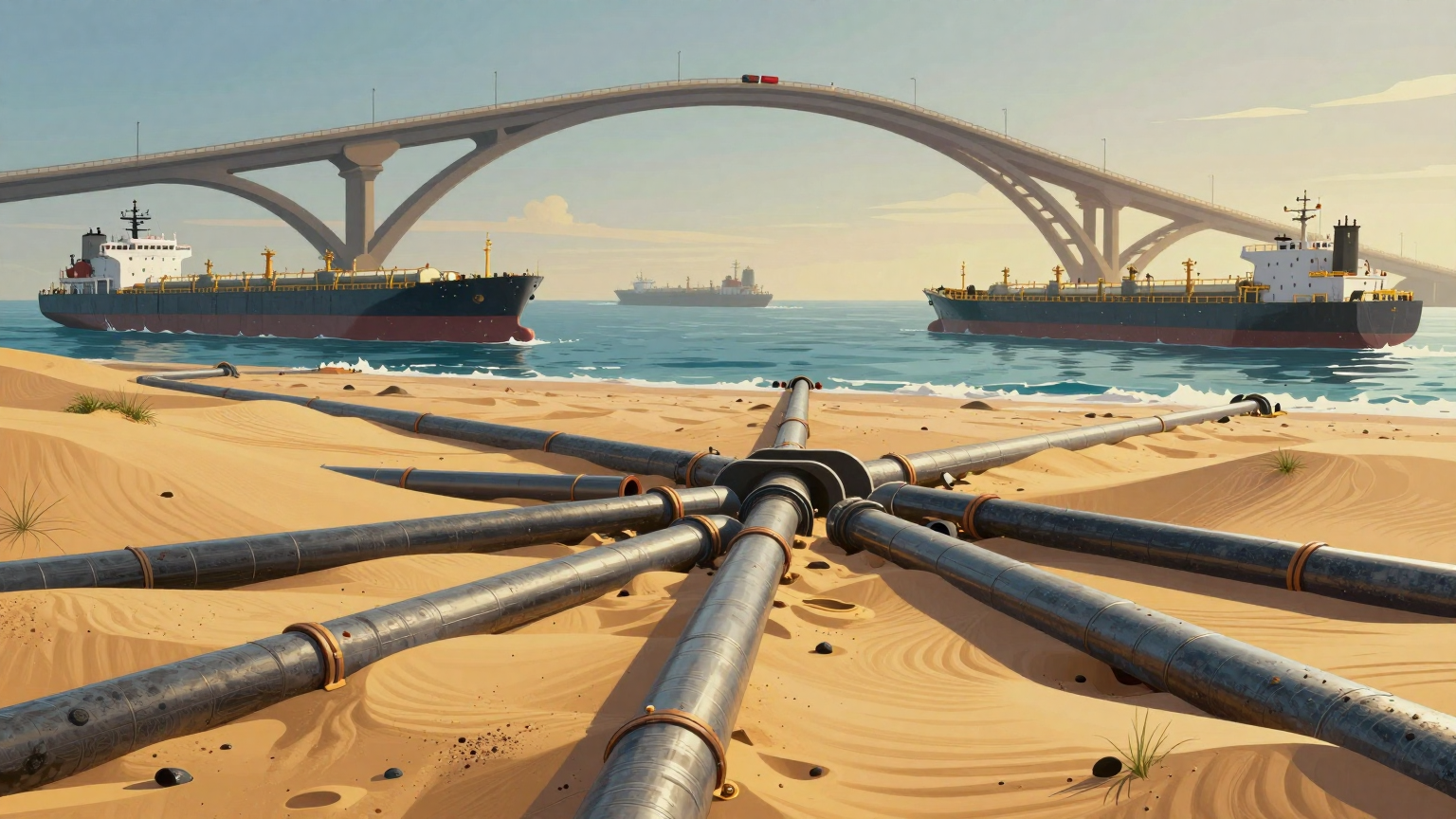
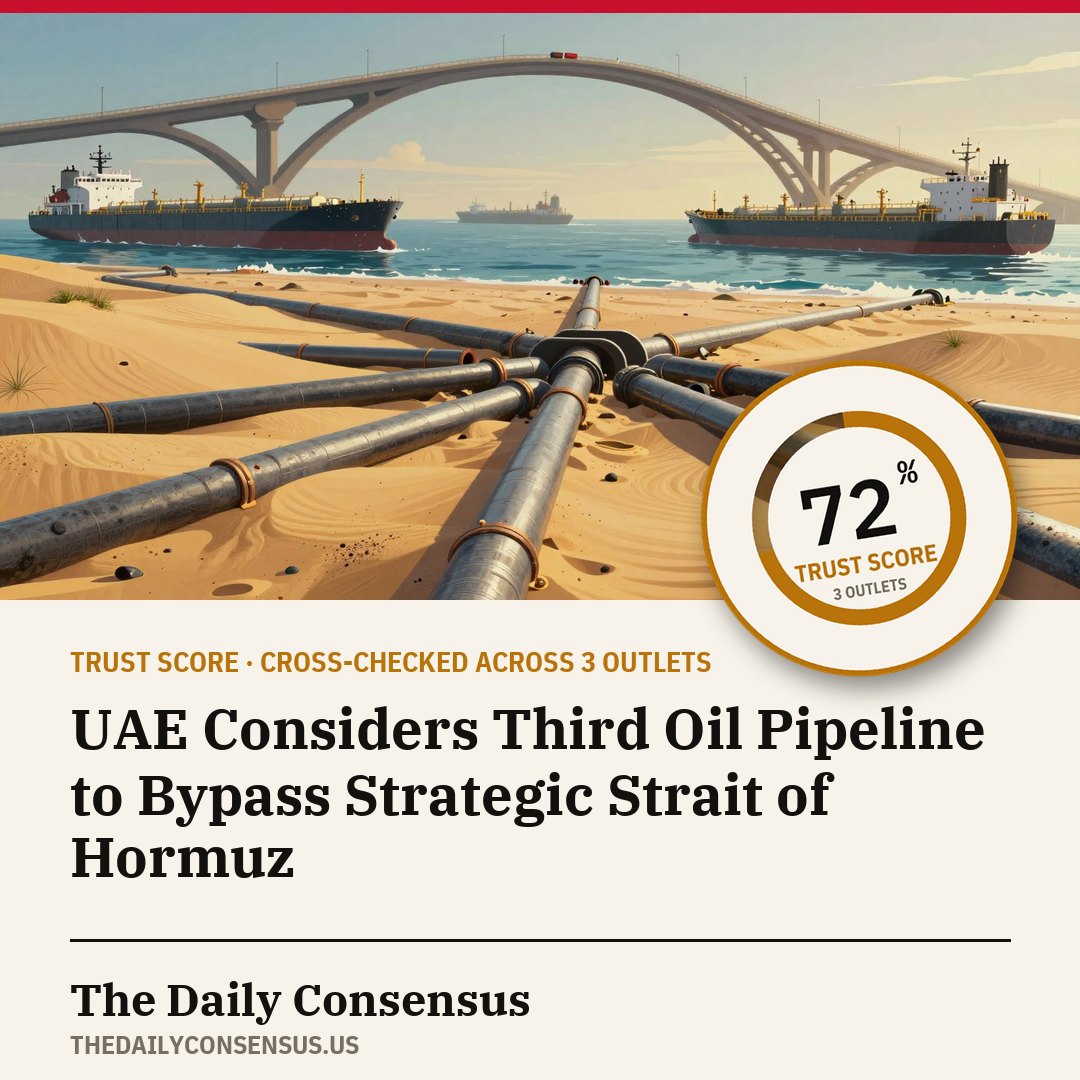
The United Arab Emirates (UAE) is reportedly considering the construction of a third oil-export pipeline, aiming to bypass the strategic Strait of Hormuz and bolster its export capacities. This move comes as part of broader efforts to diversify its energy infrastructure and ensure continued smooth flow of crude oil to global markets 13.
According to several outlets, the proposed pipeline would originate from the UAE’s western coast and terminate at the eastern port of Fujairah. This route would provide an alternative to the traditional passage through the Strait of Hormuz, which is often subject to geopolitical tensions and maritime traffic congestion 1.
Currently, Abu Dhabi National Oil Company (Adnoc) operates a pipeline with a daily capacity of approximately 2 million barrels, linking onshore oil fields in the western part of the country to Fujairah. Adnoc also plans to complete a second pipeline by the following year, effectively doubling the current transportation capacity 1.
The existing pipeline from Habshan to Fujairah, operational since 2012, boasts a daily throughput of up to 1.8 million barrels. Meanwhile, the upcoming West-East Pipeline, scheduled to commence operations in 2027, promises to further increase export capacity through Fujairah, nearly doubling it 3.
However, it is worth noting that Adnoc has clarified that recent reports suggesting the accuracy of a third pipeline are speculative. According to the company, these reports by Bloomberg do not reflect current plans or confirmed projects 3.
This development underscores the UAE’s strategic focus on enhancing its energy security and maintaining robust export routes. By diversifying its pipeline network, the UAE aims to mitigate potential disruptions and maintain its position as a key player in global oil trade 13.
Powered by Quantum Forge Robotics with Jessi AI Intelligence
Trust Score report
- likely
The United Arab Emirates is considering constructing a third oil-export pipeline to avoid the Strait of Hormuz.
83% · supported by 2 - likely
The proposed pipeline would run from the UAE's western coast to the port of Fujairah in the east.
70% · supported by 1 - likely
Adnoc currently operates a pipeline with a capacity of about 2 million barrels per day connecting onshore fields in western UAE to Fujairah.
70% · supported by 1 - likely
Adnoc plans to complete a second pipeline by the following year, doubling the transportation capacity.
70% · supported by 1 - likely
The existing pipeline from Habshan to Fujairah has operated since 2012 and can transport up to 1.8 million barrels per day.
68% · supported by 1 - likely
The West-East Pipeline, set to start operations in 2027, will double export capacity through Fujairah.
68% · supported by 1 - likely
ADNOC stated that Bloomberg's report about the third pipeline is not accurate and purely speculative.
68% · supported by 1
Sources & references
- Rigzone — UAE Mulls 3rd Crude Oil Pipeline to Avoid Hormuz
- Offshore Engineer (OEDigital) — Aramco Targets Hormuz Bypass with East-West Pipeline Expansion
- OilPrice — UAE Weighs Plans for Third Strait of Hormuz Bypass Pipeline