European Grocery Chains Hit by Cyberattacks Targeting Freezers and Fridges
European grocery chains have experienced cyberattacks that altered the temperature settings of their freezers and refrigerators, leading to food spoilage.
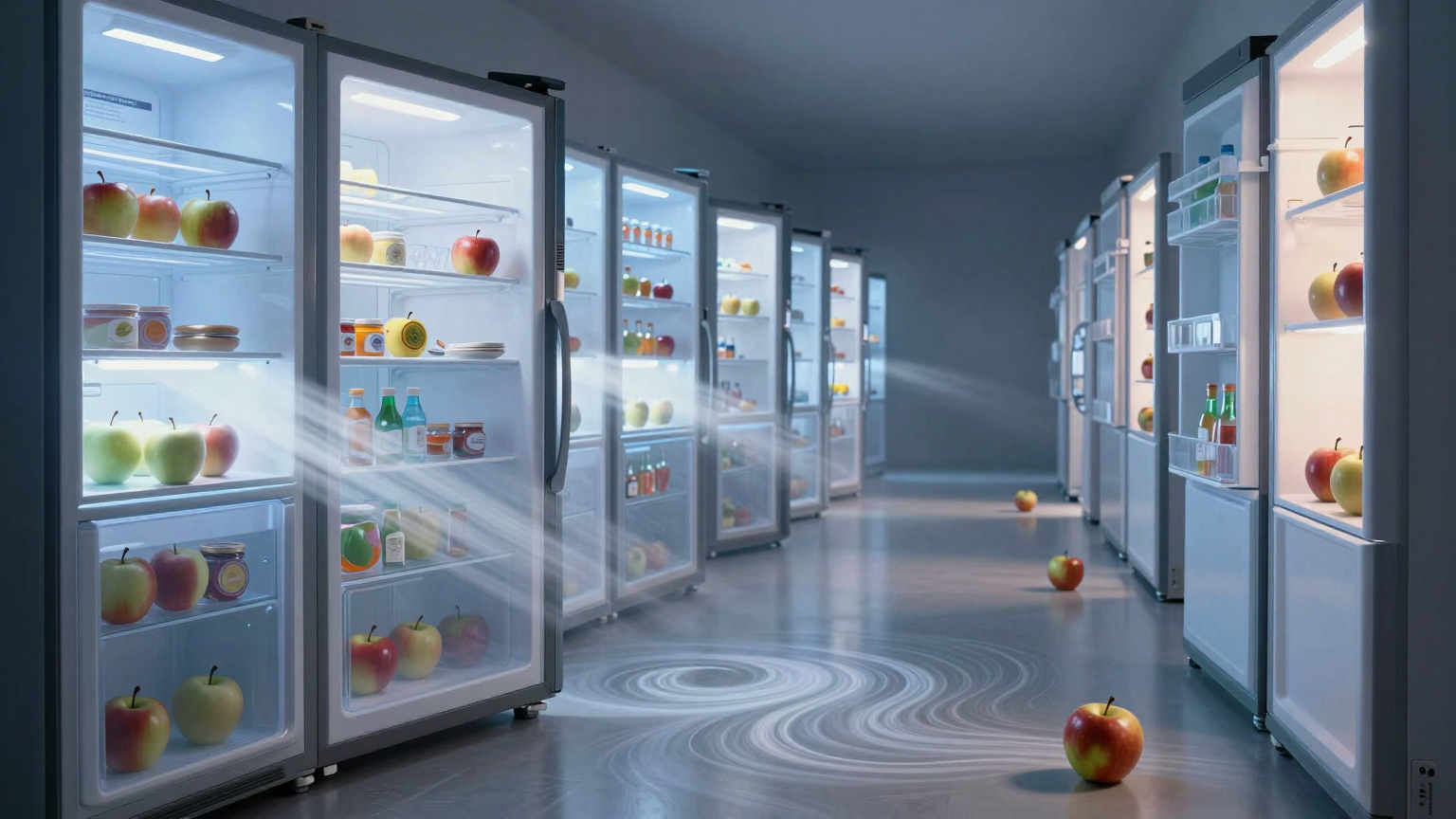
European grocery chains have recently fallen victim to a series of cyberattacks that targeted the temperature settings of their freezers and refrigerators, resulting in significant food spoilage. The attacks, which reportedly affected smaller stores within these chains, saw temperature settings altered, causing a notable impact on the freshness and safety of stored goods.
According to reports, the situation was largely contained and under control, with Coop stating that the issue was manageable. However, specific instances of the impact were noted, such as Carrefour reporting that 15 out of 700 stores were affected, and Musgrave, the owner of Irish grocery chain SuperValu, noting 13 stores impacted. Additionally, Danish manufacturer Danfoss reported that seventeen facilities using its refrigeration systems were affected by the temperature spikes.
The timing of these incidents is noteworthy, as they occurred less than a month after French supermarket chains faced a similar issue. In that case, French chains E. Leclerc, Intermarché, and Cooperative U reported a cyberattack, and Ahold Delhaize had also reported a cybersecurity incident to Dutch police in October. Furthermore, Belgian refrigeration company Sabcobel linked the temperature issues to a cyberattack, mobilizing technicians at 1 a.m. to address the situation.
Danfoss’s refrigeration control systems were specifically targeted in the previous French incident, indicating a pattern in the choice of targets. Despite the widespread impact, no claim of responsibility has been made for the hacks targeting grocery retailers in Europe, leaving the motive behind these cyberattacks unexplained.
These recent events highlight the vulnerability of critical infrastructure in the retail sector to cyber threats, underscoring the need for robust security measures to protect not just data, but also the physical conditions necessary for safe storage of perishable goods.
What we know
- - European grocery chains' freezers and refrigerators were targeted in apparent cyberattacks. 12
- - Temperature settings were altered, leading to food spoilage. 12
- - Smaller stores within the chains were primarily affected. 1
- - Coop stated the situation was contained and under control. 1
- - Carrefour reported 15 out of 700 stores were affected. 1
- - Musgrave reported 13 stores affected. 1
- - Danfoss reported seventeen facilities using its refrigeration systems affected. 1
- - Temperature spikes occurred less than a month after French supermarket chains faced a similar issue. 2
- - French chains E. Leclerc, Intermarché, and Cooperative U reported a cyberattack last month. 2
- - Ahold Delhaize reported a cybersecurity incident to Dutch police in October. 2
- - Sabcobel linked the temperature issues to a cyberattack. 2
- - Sabcobel mobilized technicians at 1 a.m. to address the situation. 2
- - Danfoss's refrigeration control systems were targeted in the previous French incident. 2
- - No claim of responsibility has been made for the hacks targeting grocery retailers in Europe. 2
Powered by Quantum Forge Robotics with Jessi AI Intelligence
Verification report
- confirmed
European grocery chains' freezers and refrigerators were targeted in apparent cyberattacks.
85% · supported by 2 - confirmed
Temperature settings were altered, leading to food spoilage.
85% · supported by 2 - likely
Smaller stores within the chains were primarily affected.
71% · supported by 1 - likely
Coop stated the situation was contained and under control.
71% · supported by 1 - likely
Carrefour reported 15 out of 700 stores were affected.
71% · supported by 1 - likely
Musgrave, owner of Irish grocery chain SuperValu, reported 13 stores affected.
71% · supported by 1 - likely
Danfoss reported seventeen facilities using its refrigeration systems affected.
71% · supported by 1 - likely
Temperature spikes occurred less than a month after French supermarket chains faced a similar issue.
71% · supported by 1 - likely
French chains E. Leclerc, Intermarché, and Cooperative U reported a cyberattack last month.
71% · supported by 1 - likely
Ahold Delhaize reported a cybersecurity incident to Dutch police in October.
71% · supported by 1 - likely
Belgian refrigeration company Sabcobel linked the temperature issues to a cyberattack.
71% · supported by 1 - likely
Sabcobel mobilized technicians at 1 a.m. to address the situation.
71% · supported by 1 - likely
Danish manufacturer Danfoss's refrigeration control systems were targeted in the previous French incident.
71% · supported by 1 - likely
No claim of responsibility has been made for the hacks targeting grocery retailers in Europe.
71% · supported by 1 - unverified
The cyberattacks affected refrigerator and freezer systems in several European countries including Belgium, Sweden, Ireland, The Netherlands, and Estonia.
50% · supported by 1, contradicted by 1 - unverified
ICA and Coop in Sweden reported incidents in some of their stores.
50% · supported by 1, contradicted by 1 - unverified
ICA reported an 'incident overnight affecting a small number of ICA stores operating outside ICA’s central network'.
50% · supported by 1, contradicted by 1 - unverified
Seven out of over 800 Coop stores were affected.
50% · supported by 1, contradicted by 1 - unverified
Three European countries experienced unexpected temperature spikes in refrigerators and freezers.
50% · supported by 1, contradicted by 1 - unverified
Netherlands-based Ahold Delhaize and Belgium's Colruyt reported issues in Belgium and Luxembourg.
50% · supported by 1, contradicted by 1 - unverified
Swedish chains ICA and Coop also reported similar temperature spikes.
50% · supported by 1, contradicted by 1 - unverified
ICA reported a limited number of its stores were affected, without specifying the exact number.
50% · supported by 1, contradicted by 1 - unverified
Coop reported six of its approximately 800 stores had issues with refrigeration.
50% · supported by 1, contradicted by 1