Engineered Molecular Glue Boosts Chromosome Stability in Aging Eggs
Researchers at the Max Planck Institute for Multidisciplinary Sciences have developed a new protein system that significantly improves chromosome stability in older mouse eggs, potentially revolutionizing fertility treatments.
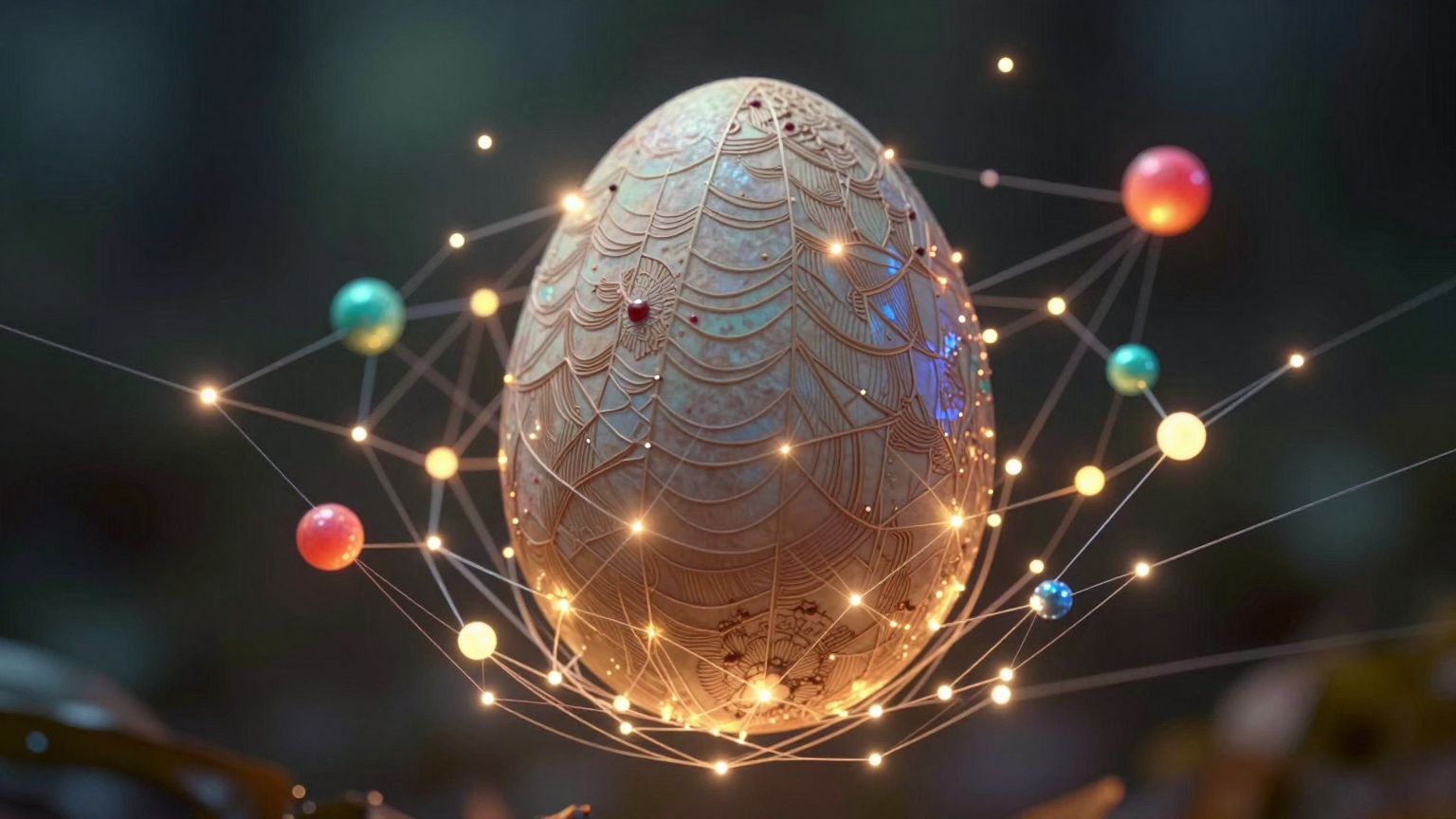
In a groundbreaking development for reproductive health, scientists have engineered a molecular glue that enhances chromosome stability in aging eggs, offering hope for women facing age-related infertility. This innovative solution, detailed in recent studies, addresses a primary cause of fertility issues: aneuploidy, which occurs when chromosomes fail to separate correctly during cell division 1.
Aneuploidy is a major factor behind age-related infertility, failed in vitro fertilization (IVF) cycles, and miscarriages 1. To tackle this problem, researchers at the Max Planck Institute for Multidisciplinary Sciences devised a protein system called TALhesin, designed to reattach chromosomes in older eggs 1. This system targets specific DNA regions near the center of chromosomes, effectively restoring proper connections between chromatids 1.
The impact of TALhesin on egg quality was notable. In aged mouse eggs, the proportion of eggs with properly connected chromatids rose from 47% to 74% after treatment 1. Additionally, the system improved the percentage of eggs without prematurely separated chromosomes from 46.7% to 74.1% 2. These results suggest a significant enhancement in the viability and potential for successful fertilization of older eggs.
Female babies are born with all the oocytes they will ever have, and these cells start dividing immediately after birth 1. However, maintaining chromosome bonds over decades poses a unique challenge for oocytes compared to most other cells, where cohesin typically functions for just a few hours 1. As females age, natural cohesin tends to detach from chromatids, leading to an increased risk of premature separation 2.
To address this issue, the TALhesin system incorporates a built-in cleavage site, ensuring that the normal separation of chromatids can occur during meiosis 2. This design allows for both enhanced stability and the necessary flexibility for chromosome division, making it a promising candidate for future fertility treatments.
What we know
- - Aneuploidy, caused by chromosomes failing to separate correctly, is the main reason for age-related infertility, failed IVF cycles, and miscarriages 1
- - Researchers at the Max Planck Institute for Multidisciplinary Sciences created a protein system to restore normal chromosome connections in aging mouse eggs 1
- - The TALhesin system increased the proportion of eggs with properly connected chromatids from 47% to 74% in older mice 1
- - TALhesin increased the proportion of eggs without prematurely separated chromosomes from 46.7% to 74.1% in aged mouse eggs 2
- - Female babies are born with all the oocytes they will ever have, and these begin dividing immediately 1
- - Cohesin must maintain chromosome bonds for decades in oocytes, unlike in most cells where it only works for a few hours 1
- - Natural cohesin detaches from chromatids in aged eggs, increasing the likelihood of premature separation 2
- - TALhesin system includes a built-in cleavage site to allow normal separation of chromatids during meiosis 2
Powered by Quantum Forge Robotics with Jessi AI Intelligence
Trust Score report
- likely
Aneuploidy, caused by chromosomes failing to separate correctly, is the main reason for age-related infertility, failed IVF cycles, and miscarriages.
72% · supported by 1 - likely
Researchers at the Max Planck Institute for Multidisciplinary Sciences created a protein system to restore normal chromosome connections in aging mouse eggs.
72% · supported by 1 - likely
The TALhesin system, designed to attach to specific DNA regions near chromosome centers, increased the proportion of eggs with properly connected chromatids from 47% to 74% in older mice.
72% · supported by 1 - likely
In aged mouse eggs, TALhesin increased the proportion of eggs without prematurely separated chromosomes from 46.7% to 74.1%.
71% · supported by 1 - likely
Female babies are born with all the oocytes they will ever have, and these begin dividing immediately.
72% · supported by 1 - likely
Cohesin must maintain chromosome bonds for decades in oocytes, unlike in most cells where it only works for a few hours.
72% · supported by 1 - likely
Natural cohesin detaches from chromatids in aged eggs, increasing the likelihood of premature separation.
71% · supported by 1 - likely
TALhesin system includes a built-in cleavage site to allow normal separation of chromatids during meiosis.
71% · supported by 1