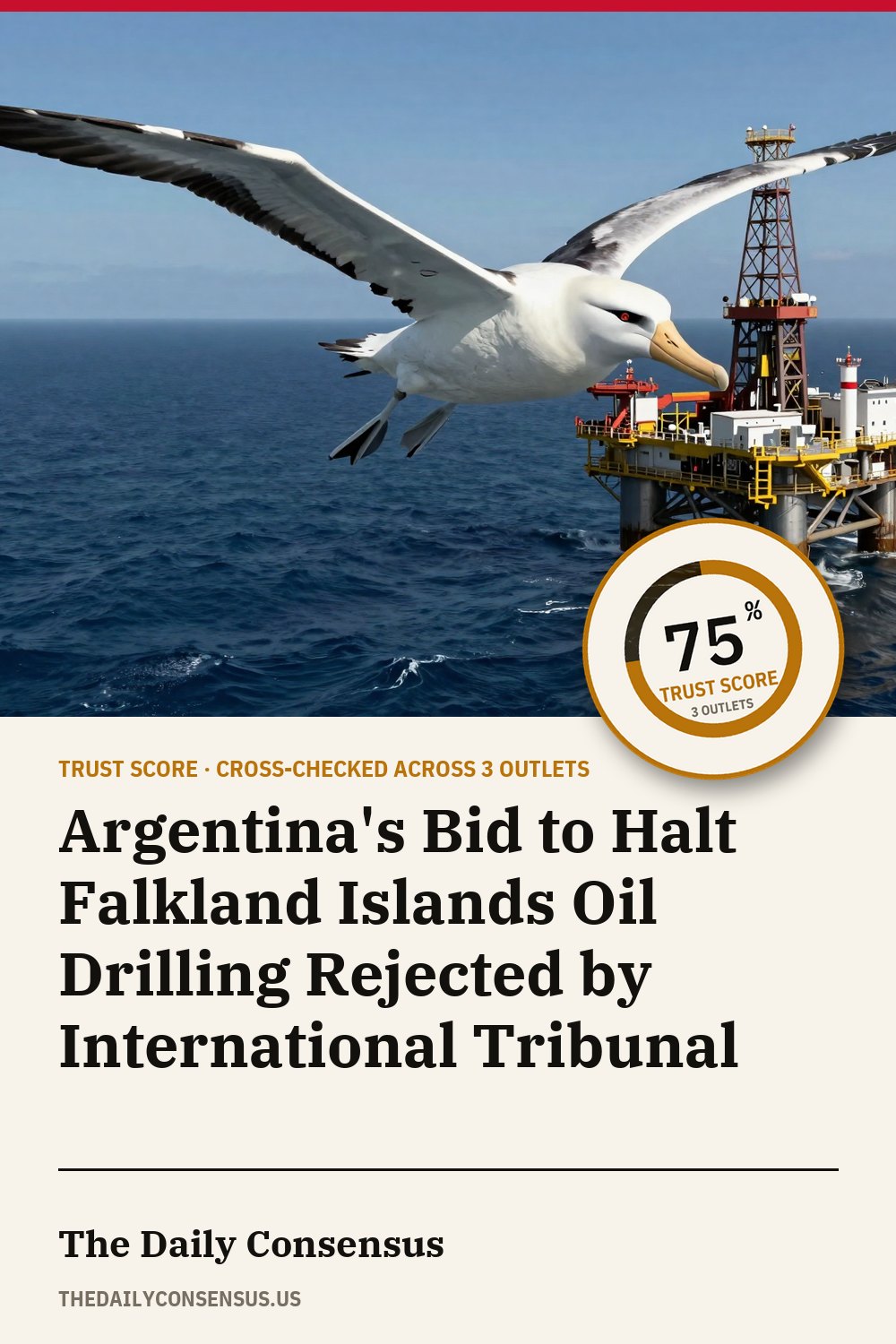
Argentina's Bid to Halt Falkland Islands Oil Drilling Rejected by International Tribunal
In a decisive ruling, an international body has turned down Argentina's request to stop oil exploration near the Falkland Islands.
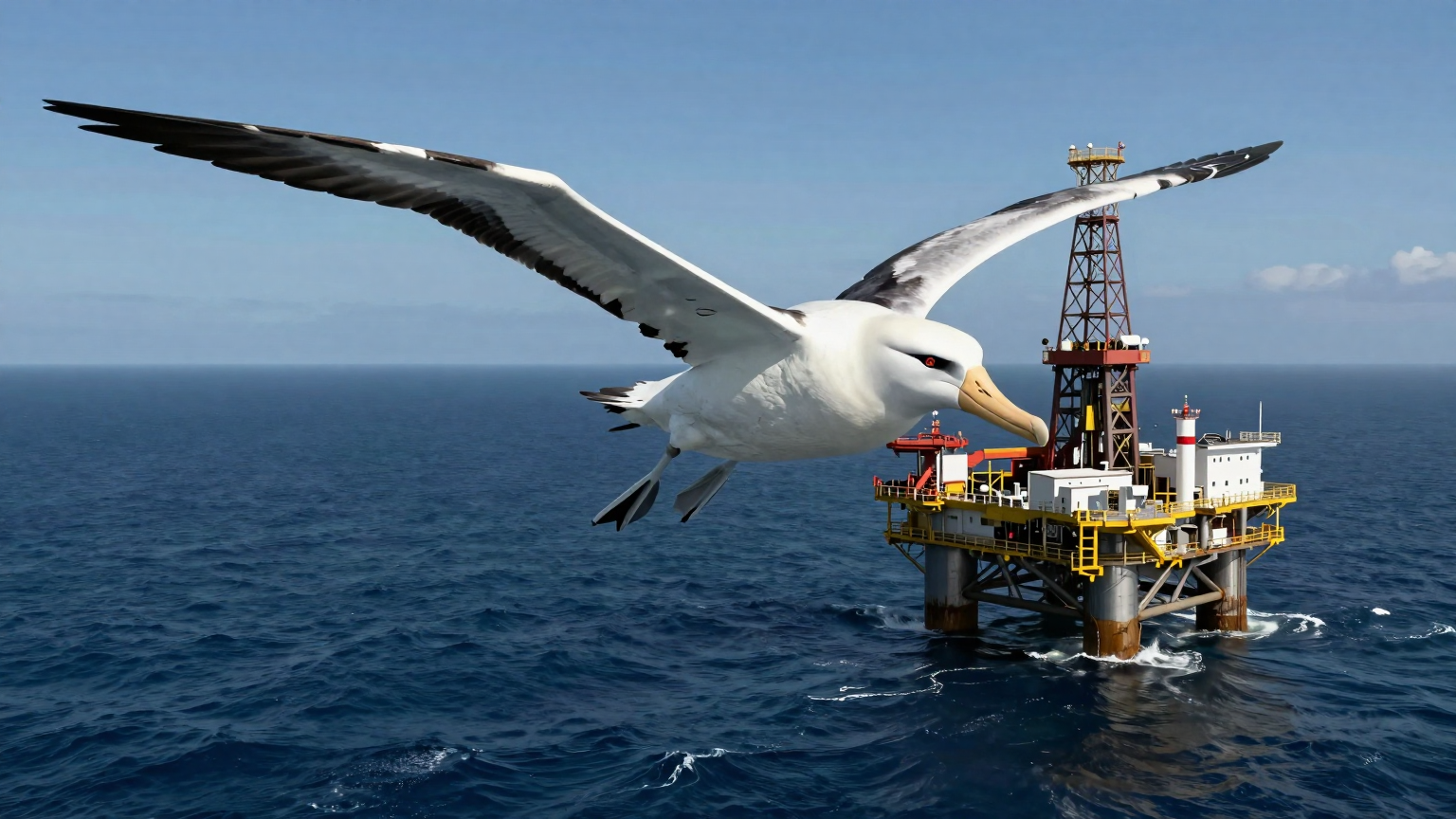
The international community has spoken, rejecting Argentina's attempt to halt oil drilling near the Falkland Islands. This decision, made by a majority vote of 18 to 3, signifies a significant victory for the Falkland Islands and the companies involved in the Sea Lion oilfield project. The ruling comes after Argentina argued that there was an ongoing dispute over the sovereignty of the islands, which they claimed warranted a pause in the drilling operations.
According to several outlets, the Sea Lion oilfield, situated roughly 130 miles off the coast of the Falkland Islands, is estimated to hold around 1.7 billion barrels of oil. This vast resource promises substantial economic benefits for the approximately 3,500 residents of the Falkland Islands, who voted overwhelmingly in 2013 to remain a British overseas territory. The oilfield is set to be developed by two companies, Rockhopper Exploration and Navitas Petroleum, with plans to commence extraction within the next two years.
Argentina’s claim to the Falkland Islands dates back to the 1982 conflict, a 74-day war with Britain that resulted in the loss of 255 British military personnel, three islanders, and 649 Argentine military personnel. Despite this historical backdrop, the current dispute centres on the legal right to exploit the natural resources surrounding the islands. Argentina contended that the marine environment in the disputed maritime areas is protected under international law, and thus drilling should be halted until sovereignty issues are resolved.
However, the UK attorney general argued that stopping the drilling would negatively impact the Falkland Islanders’ ability to develop their natural resources. Furthermore, the Sea Lion project involves British and Israeli companies, adding another layer of complexity to the geopolitical landscape of the South Atlantic Ocean. President Javier Milei of Argentina described the companies' activities as unlawful and imposed economic sanctions, further illustrating the contentious nature of the situation.
What We Know
- Argentina's attempt to halt oil drilling near the Falkland Islands was rejected by an international tribunal. 123
- The decision was made by a majority vote of 18 to 3. 12
- The tribunal consisted of judges from the International Tribunal for the Law of the Sea. 1
- Argentina argued that there was an ongoing dispute over the sovereignty of the Falkland Islands. 1
- The Sea Lion oilfield holds an estimated 1.7 billion barrels of oil. 1
- Two companies, Rockhopper Exploration and Navitas Petroleum, plan to start extraction within two years. 1
- The oilfield could generate significant revenue for the approximately 3,500 residents of the Falkland Islands. 1
- Argentina asserted that the marine environment in disputed maritime areas is safeguarded under international law. 1
- In 2013, the residents of the Falkland Islands voted almost unanimously to remain a British overseas territory. 1
- Argentina attempted to seize the Falkland Islands in 1982, leading to a 74-day war with Britain. 1
- The 1982 conflict resulted in the loss of 255 British military personnel, three islanders, and 649 Argentine military personnel. 1
- Argentina requested the international tribunal for the law of the sea (ITLOS) to halt the Sea Lion project. 2
- Eighteen judges voted against Argentina's claims, while three supported them. 2
- Argentina argued that drilling should cease until sovereignty issues were resolved. 2
- The UK attorney general stated that halting drilling would have negative effects on the Falkland Islanders' ability to develop their natural resources. 2
- The Sea Lion project involves British and Israeli companies and is located in the South Atlantic Ocean. 2
- Argentinian president Javier Milei described the companies' activities as unlawful and imposed economic sanctions. 2
- Argentina attempted to temporarily halt oil drilling near the Falkland Islands. 3
- The UN-backed court denied Argentina's request to stop the oil drilling. 3

Powered by Quantum Forge Robotics with Jessi AI Intelligence
Trust Score report
- confirmed
Argentina's attempt to halt oil drilling near the Falkland Islands was rejected by an international tribunal.
94% · supported by 3 - confirmed
The decision was made by a majority vote of 18 to 3.
87% · supported by 2 - likely
The tribunal consisted of judges from the International Tribunal for the Law of the Sea.
73% · supported by 1 - likely
Argentina argued that there was an ongoing dispute over the sovereignty of the Falkland Islands.
73% · supported by 1 - likely
The Sea Lion oilfield, located approximately 130 miles from the Falkland Islands, holds an estimated 1.7 billion barrels of oil.
73% · supported by 1 - likely
Two companies, Rockhopper Exploration and Navitas Petroleum, plan to start extraction from the oilfield within two years.
73% · supported by 1 - likely
The oilfield could generate significant revenue for the approximately 3,500 residents of the Falkland Islands.
73% · supported by 1 - likely
Argentina asserted that the marine environment in disputed maritime areas is safeguarded under international law.
73% · supported by 1 - likely
In 2013, the residents of the Falkland Islands voted almost unanimously to remain a British overseas territory.
73% · supported by 1 - likely
Argentina attempted to seize the Falkland Islands in 1982, leading to a 74-day war with Britain.
73% · supported by 1 - likely
The 1982 conflict resulted in the loss of 255 British military personnel, three islanders, and 649 Argentine military personnel.
73% · supported by 1 - likely
Argentina requested the international tribunal for the law of the sea (ITLOS) to halt the Sea Lion project.
72% · supported by 1 - likely
Eighteen judges voted against Argentina's claims, while three supported them.
72% · supported by 1 - likely
Argentina argued that drilling should cease until sovereignty issues were resolved.
72% · supported by 1 - likely
The UK attorney general stated that halting drilling would have negative effects on the Falkland Islanders' ability to develop their natural resources.
72% · supported by 1 - likely
The Sea Lion project involves British and Israeli companies and is located in the South Atlantic Ocean.
72% · supported by 1 - likely
Argentinian president Javier Milei described the companies' activities as unlawful and imposed economic sanctions.
72% · supported by 1 - likely
Argentina attempted to temporarily halt oil drilling near the Falkland Islands.
71% · supported by 1 - likely
The UN-backed court denied Argentina's request to stop the oil drilling.
71% · supported by 1