Argentina's Bid to Halt Falkland Islands Oil Drilling Rejected by International Tribunal
In a decisive ruling, an international body has turned down Argentina's request to stop oil exploration near the Falkland Islands.
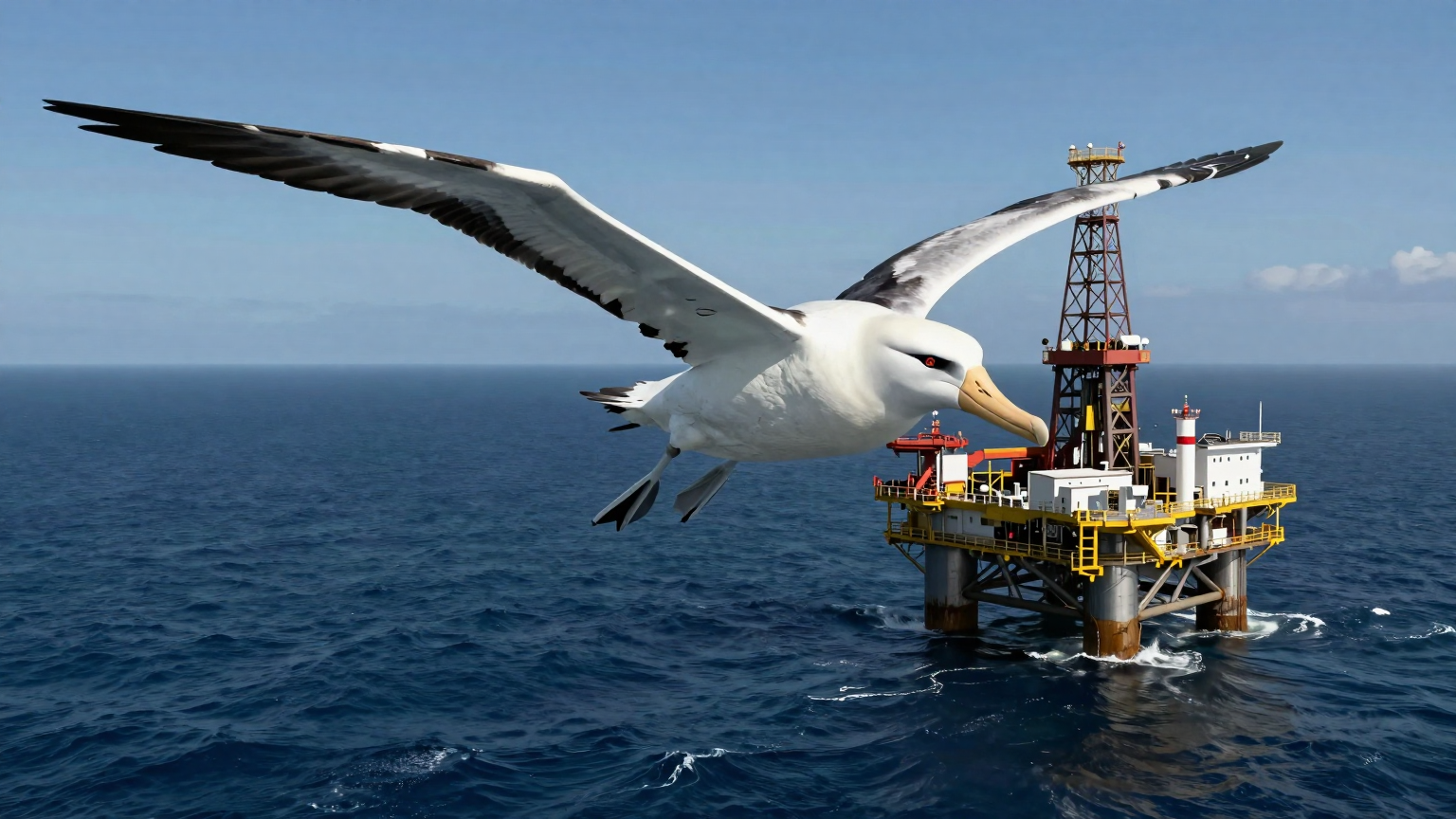
The international community has spoken, rejecting Argentina's attempt to halt oil drilling near the Falkland Islands. This decision, made by a majority vote of 18 to 3, signifies a significant victory for the Falkland Islands and the companies involved in the Sea Lion oilfield project. The ruling comes after Argentina argued that there was an ongoing dispute over the sovereignty of the islands, which they claimed warranted a pause in the drilling operations.
According to several outlets, the Sea Lion oilfield, situated roughly 130 miles off the coast of the Falkland Islands, is estimated to hold around 1.7 billion barrels of oil. This vast resource promises substantial economic benefits for the approximately 3,500 residents of the Falkland Islands, who voted overwhelmingly in 2013 to remain a British overseas territory. The oilfield is set to be developed by two companies, Rockhopper Exploration and Navitas Petroleum, with plans to commence extraction within the next two years.
Argentina’s claim to the Falkland Islands dates back to the 1982 conflict, a 74-day war with Britain that resulted in the loss of 255 British military personnel, three islanders, and 649 Argentine military personnel. Despite this historical backdrop, the current dispute centres on the legal right to exploit the natural resources surrounding the islands. Argentina contended that the marine environment in the disputed maritime areas is protected under international law, and thus drilling should be halted until sovereignty issues are resolved.
However, the UK attorney general argued that stopping the drilling would negatively impact the Falkland Islanders’ ability to develop their natural resources. Furthermore, the Sea Lion project involves British and Israeli companies, adding another layer of complexity to the geopolitical landscape of the South Atlantic Ocean. President Javier Milei of Argentina described the companies' activities as unlawful and imposed economic sanctions, further illustrating the contentious nature of the situation.
What We Know
- Argentina's attempt to halt oil drilling near the Falkland Islands was rejected by an international tribunal. 123
- The decision was made by a majority vote of 18 to 3. 12
- The tribunal consisted of judges from the International Tribunal for the Law of the Sea. 1
- Argentina argued that there was an ongoing dispute over the sovereignty of the Falkland Islands. 1
- The Sea Lion oilfield holds an estimated 1.7 billion barrels of oil. 1
- Two companies, Rockhopper Exploration and Navitas Petroleum, plan to start extraction within two years. 1
- The oilfield could generate significant revenue for the approximately 3,500 residents of the Falkland Islands. 1
- Argentina asserted that the marine environment in disputed maritime areas is safeguarded under international law. 1
- In 2013, the residents of the Falkland Islands voted almost unanimously to remain a British overseas territory. 1
- Argentina attempted to seize the Falkland Islands in 1982, leading to a 74-day war with Britain. 1
- The 1982 conflict resulted in the loss of 255 British military personnel, three islanders, and 649 Argentine military personnel. 1
- Argentina requested the international tribunal for the law of the sea (ITLOS) to halt the Sea Lion project. 2
- Eighteen judges voted against Argentina's claims, while three supported them. 2
- Argentina argued that drilling should cease until sovereignty issues were resolved. 2
- The UK attorney general stated that halting drilling would have negative effects on the Falkland Islanders' ability to develop their natural resources. 2
- The Sea Lion project involves British and Israeli companies and is located in the South Atlantic Ocean. 2
- Argentinian president Javier Milei described the companies' activities as unlawful and imposed economic sanctions. 2
- Argentina attempted to temporarily halt oil drilling near the Falkland Islands. 3
- The UN-backed court denied Argentina's request to stop the oil drilling. 3
Trust Score report
Likely accurate — probability of truth 75%, weighted across 19 claims from 3 independent outlets.
- confirmed Argentina's attempt to halt oil drilling near the Falkland Islands was rejected by an international tribunal. (94%)
- confirmed The decision was made by a majority vote of 18 to 3. (87%)
- likely The tribunal consisted of judges from the International Tribunal for the Law of the Sea. (73%)
- likely Argentina argued that there was an ongoing dispute over the sovereignty of the Falkland Islands. (73%)
- likely The Sea Lion oilfield, located approximately 130 miles from the Falkland Islands, holds an estimated 1.7 billion barrels of oil. (73%)
- likely Two companies, Rockhopper Exploration and Navitas Petroleum, plan to start extraction from the oilfield within two years. (73%)
- likely The oilfield could generate significant revenue for the approximately 3,500 residents of the Falkland Islands. (73%)
- likely Argentina asserted that the marine environment in disputed maritime areas is safeguarded under international law. (73%)
- likely In 2013, the residents of the Falkland Islands voted almost unanimously to remain a British overseas territory. (73%)
- likely Argentina attempted to seize the Falkland Islands in 1982, leading to a 74-day war with Britain. (73%)
- likely The 1982 conflict resulted in the loss of 255 British military personnel, three islanders, and 649 Argentine military personnel. (73%)
- likely Argentina requested the international tribunal for the law of the sea (ITLOS) to halt the Sea Lion project. (72%)
- likely Eighteen judges voted against Argentina's claims, while three supported them. (72%)
- likely Argentina argued that drilling should cease until sovereignty issues were resolved. (72%)
- likely The UK attorney general stated that halting drilling would have negative effects on the Falkland Islanders' ability to develop their natural resources. (72%)
- likely The Sea Lion project involves British and Israeli companies and is located in the South Atlantic Ocean. (72%)
- likely Argentinian president Javier Milei described the companies' activities as unlawful and imposed economic sanctions. (72%)
- likely Argentina attempted to temporarily halt oil drilling near the Falkland Islands. (71%)
- likely The UN-backed court denied Argentina's request to stop the oil drilling. (71%)
Sources
- BBC News — Argentina's bid to stop Falkland Islands oil drilling rejected
https://www.bbc.co.uk/news/articles/c84gnq3qq9rno?at_medium=RSS&at_campaign=rss - The Guardian — Argentina fails to block UK-led oil drilling off Falkland Islands
https://www.theguardian.com/uk-news/2026/nov/28/argentina-oil-drilling-falkland-islands-international-tribunal - Sky News — Court rejects Argentina's bid to block Falklands oil drilling project
https://news.sky.com/story/court-rejects-argentinas-bid-to-block-falklands-oil-drilling-project-13615287