Political Gear Prohibited at Many U.S. Polling Places
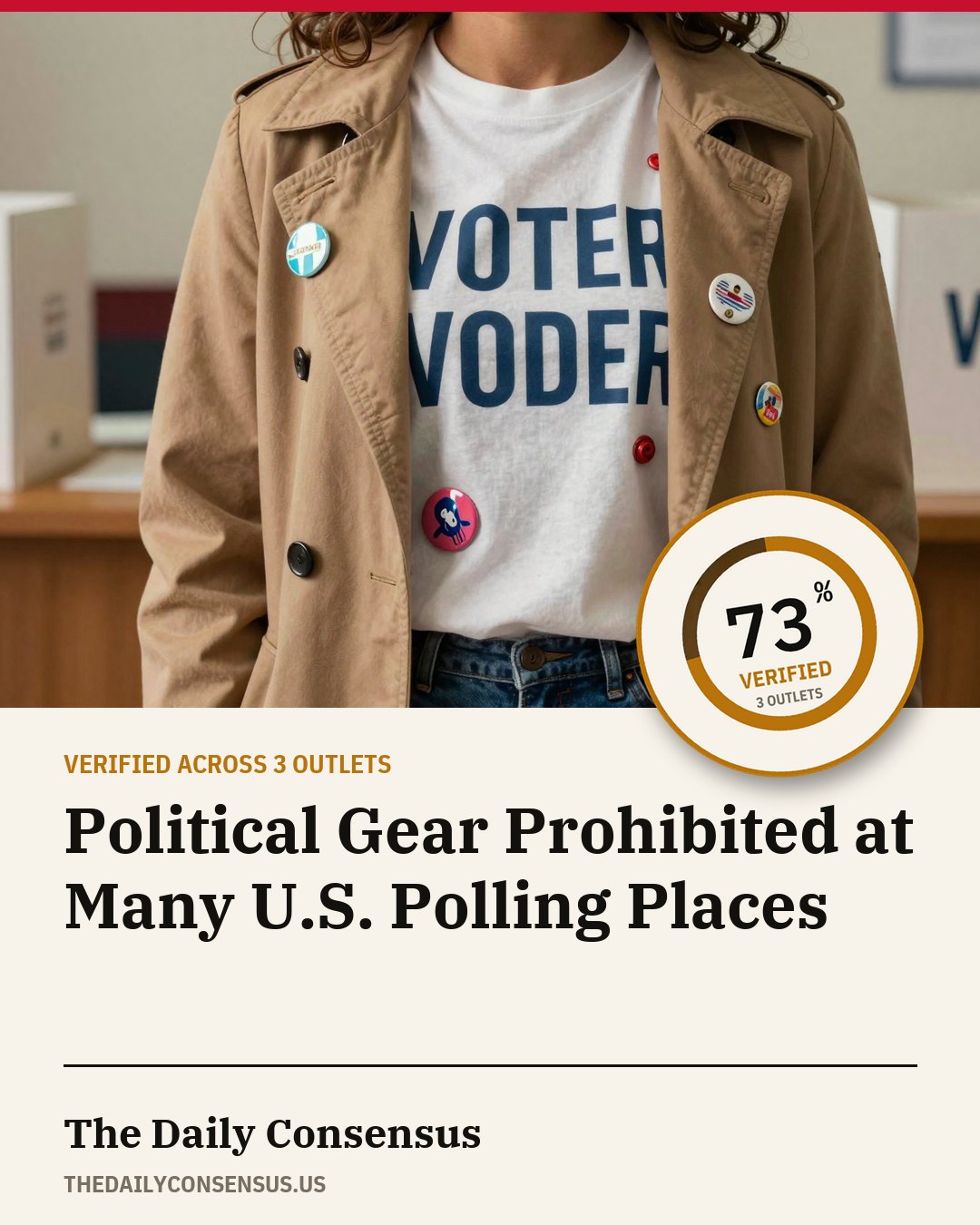
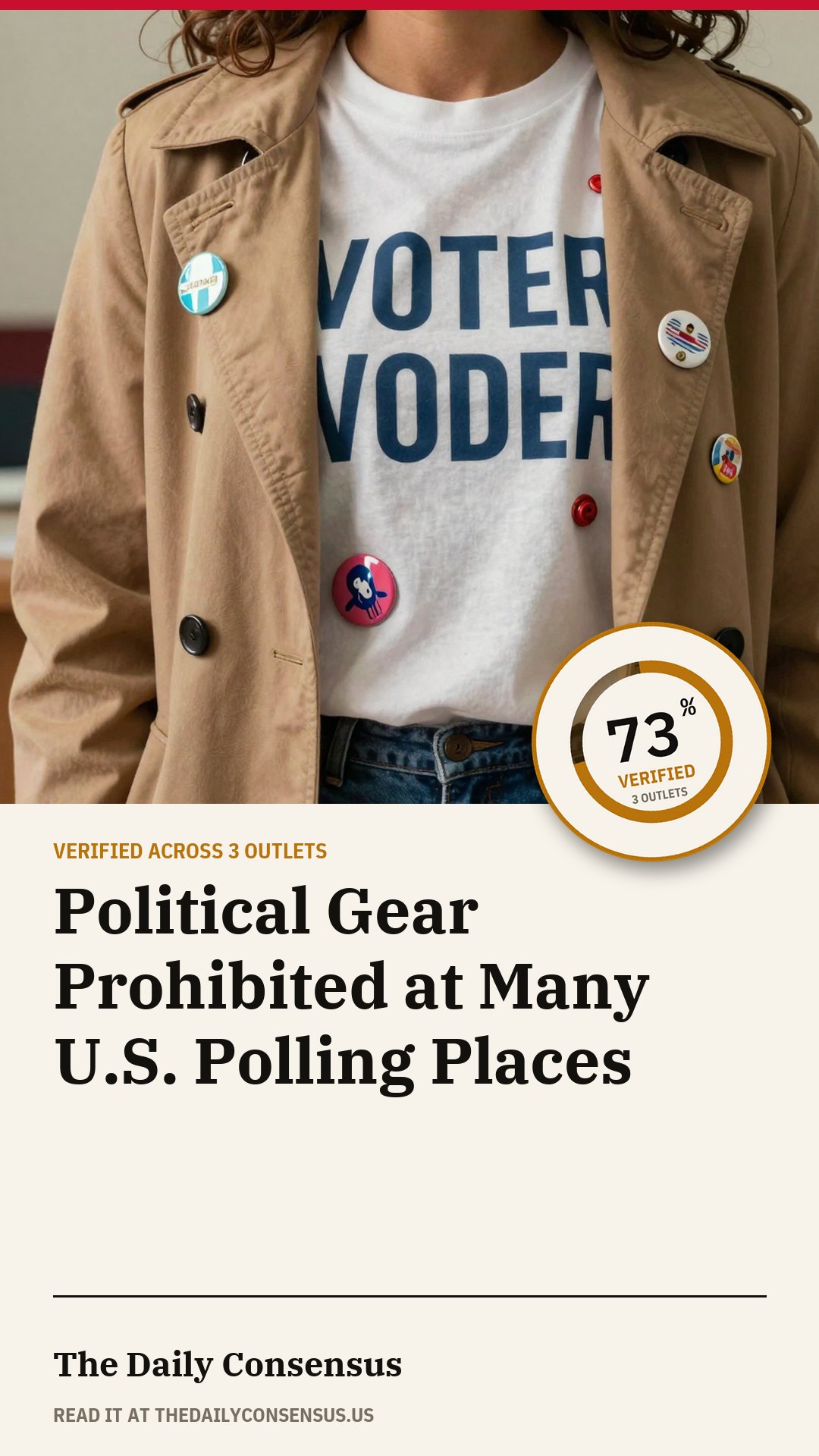
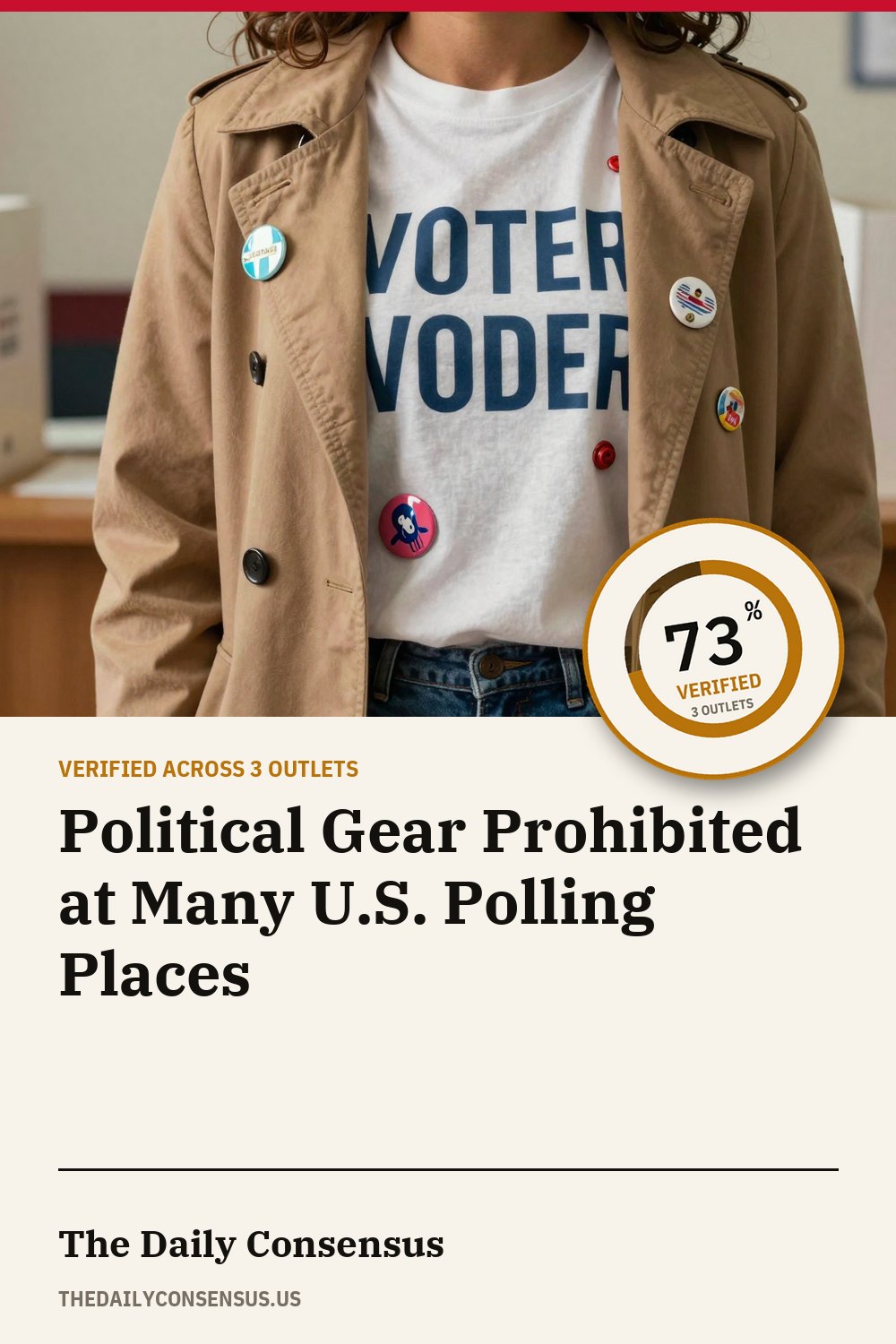
More than half of U.S. states do not permit voters to wear campaign apparel while casting their ballots, ensuring neutrality at polling locations.
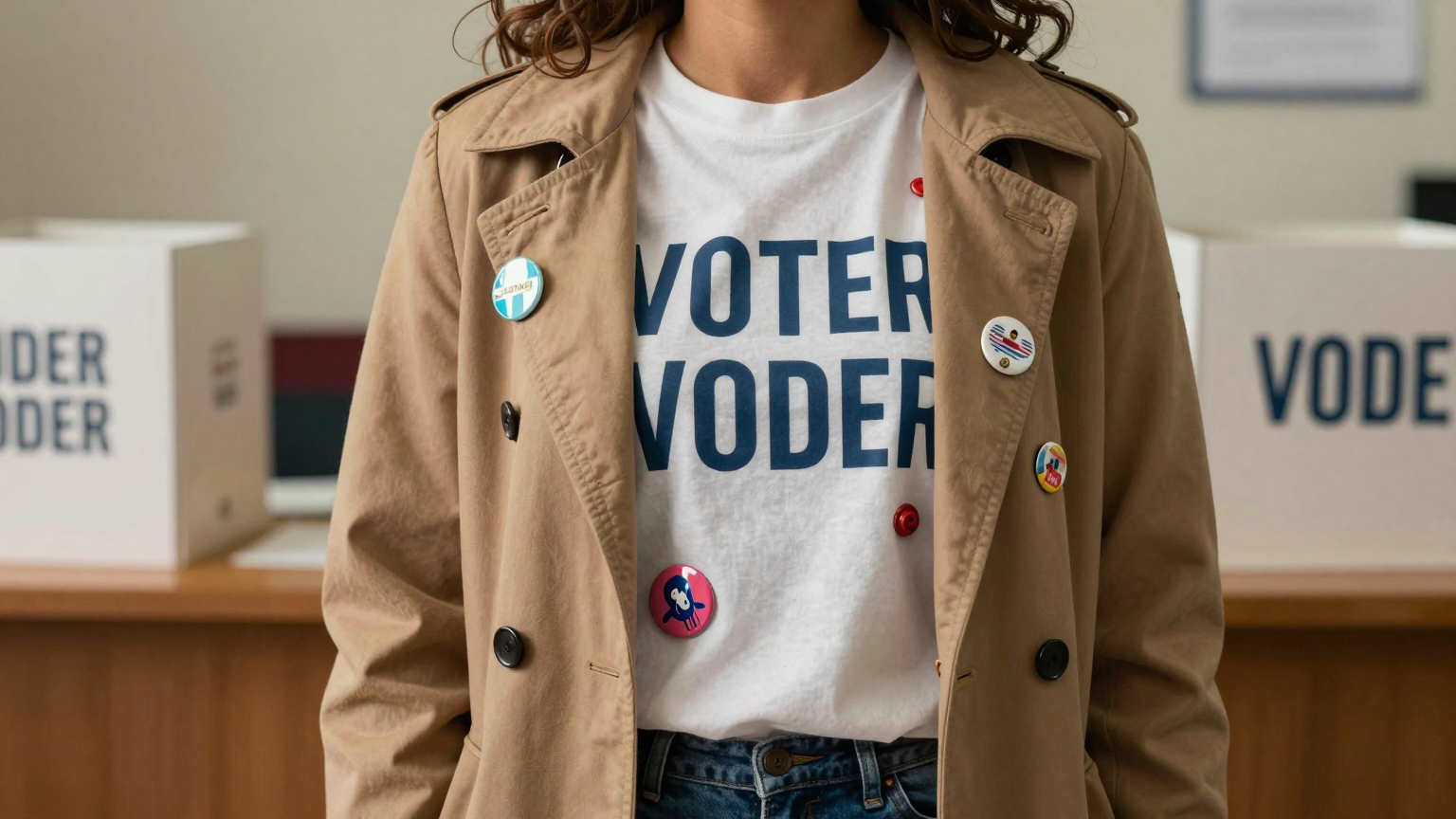
Polling places are designed to be neutral locations to prevent voters from feeling pressured or intimidated, a crucial aspect of democratic participation 123. This means that more than half of U.S. states do not allow voters to wear campaign apparel while casting their ballot, ensuring that the environment remains free from partisan influence 123.
In addition to prohibiting campaign clothing, nearly all U.S. states also ban signs, banners, or literature near the polling place, further safeguarding the integrity of the voting process 123. According to reports, twenty-seven states have specific rules against campaign wearables such as stickers, shirts, and buttons, highlighting the widespread effort to maintain a neutral atmosphere 23.
Vermont takes a unique approach by requiring voters to cover any candidate paraphernalia they may be carrying, ensuring no visible signs of partisanship during the voting process 2. Similarly, Colorado, Louisiana, and Nebraska have strict prohibitions on items related to candidates or ballot measures, emphasizing the importance of keeping the immediate vicinity of polling places free from campaigning 23.
Delaware, Georgia, and Oklahoma also enforce rules against wearing items that support a candidate at polling places, while Alabama and Iowa advise voters to leave immediately after voting if they choose to wear campaign items 23. These measures help to ensure that the act of voting is not influenced by last-minute appeals or displays of support.
Several states have set specific distances for campaigning near polling sites. For example, Massachusetts restricts campaigning within 150 feet, Nebraska within 200 feet, Idaho within 250 feet, and Oklahoma within 300 feet 23. South Carolina has some restrictions starting at 500 feet, while Louisiana forbids campaigning within 600 feet 23.
Pennsylvania has particularly stringent rules, disallowing campaigning within 10 feet of voting-room entrances, and Alabama prohibits campaigning within 30 feet of polling place entrances 23. Maryland sets up lines 'as near as practicable to 100 feet' from entrances for electioneering, showing the variation in how closely campaigning can occur to polling places 23.
Colorado goes a step further, not allowing campaigning within 100 feet of polling locations or ballot drop-boxes, while Minnesota, Texas, and West Virginia prohibit electioneering within 100 feet of polling places 23. New Hampshire requires 'no-electioneering corridors' of at least 10 feet in width extending from polling place entrances, ensuring a clear path for voters 23.
Pennsylvania also does not allow campaigning or encouraging support for candidates inside polling places, maintaining a strict separation between the act of voting and partisan activities 3. In contrast, Virginia allows voters to wear campaign apparel, but not election workers, providing a notable exception to the general rule 3.
What we know
- - Polling places are intended to be neutral locations to prevent voter intimidation 123
- - More than half of U.S. states do not allow voters to wear campaign apparel while casting their ballot 123
- - Nearly all U.S. states prohibit signs, banners, or literature near the polling place 123
- - Twenty-seven states have rules against campaign wearables such as stickers, shirts, and buttons 23
- - Vermont requires voters to cover candidate paraphernalia at polling places 2
- - Colorado, Louisiana, and Nebraska prohibit items related to candidates or ballot measures 23
- - Delaware, Georgia, and Oklahoma do not allow voters to wear items supporting a candidate at polling places 23
- - Alabama and Iowa advise voters to leave immediately after voting if they wear campaign items 2
- - Massachusetts restricts campaigning within 150 feet of polling locations 23
- - Nebraska has a 200-foot restriction for campaigning near polling sites 23
- - Idaho mandates a 250-foot limit for campaigning around polling places 23
- - Oklahoma prohibits campaigning within 300 feet of polling sites 23
- - South Carolina has some restrictions beginning within 500 feet of polling sites 23
- - Louisiana forbids campaigning within 600 feet of polling sites 23
- - Pennsylvania does not allow campaigning within 10 feet of voting-room entrances 23
- - Alabama prohibits campaigning within 30 feet of polling place entrances 23
- - Maryland sets up lines 'as near as practicable to 100 feet' from entrances for electioneering 23
- - Colorado does not allow campaigning within 100 feet of polling locations or ballot drop-boxes 23
- - Minnesota, Texas, and West Virginia prohibit electioneering within 100 feet of polling places 23
- - New Hampshire requires 'no-electioneering corridors' of at least 10 feet in width extending from polling place entrances 23
- - Pennsylvania does not allow campaigning or encouraging support for candidates inside polling places 3
- - Virginia permits voters to wear campaign apparel, but not election workers 3

Powered by Quantum Forge Robotics with Jessi AI Intelligence
Verification report
- confirmed
Polling places are intended to be neutral locations to prevent voters from feeling pressured or intimidated.
85% · supported by 3 - confirmed
More than half of U.S. states do not allow voters to wear campaign apparel while casting their ballot.
85% · supported by 3 - confirmed
Nearly all U.S. states prohibit signs, banners, or literature near the polling place.
85% · supported by 3 - likely
Twenty-seven states have rules against campaign wearables such as stickers, shirts, and buttons.
71% · supported by 2 - likely
Vermont requires voters to cover candidate paraphernalia at polling places.
71% · supported by 1 - likely
Colorado, Louisiana, and Nebraska prohibit voters from wearing items related to candidates or ballot measures.
71% · supported by 2 - likely
Delaware, Georgia, and Oklahoma do not allow voters to wear items supporting a candidate at polling places.
71% · supported by 2 - likely
Alabama and Iowa advise voters to leave immediately after voting if they wear campaign items.
71% · supported by 1 - likely
Massachusetts restricts campaigning within 150 feet of polling locations.
71% · supported by 2 - likely
Nebraska has a 200-foot restriction for campaigning near polling sites.
71% · supported by 2 - likely
Idaho mandates a 250-foot limit for campaigning around polling places.
71% · supported by 2 - likely
Oklahoma prohibits campaigning within 300 feet of polling sites.
71% · supported by 2 - likely
South Carolina has some restrictions beginning within 500 feet of polling sites.
71% · supported by 2 - likely
Louisiana forbids campaigning within 600 feet of polling sites.
71% · supported by 2 - likely
Pennsylvania does not allow campaigning within 10 feet of voting-room entrances.
71% · supported by 2 - likely
Alabama prohibits campaigning within 30 feet of polling place entrances.
71% · supported by 2 - likely
Maryland sets up lines 'as near as practicable to 100 feet' from entrances for electioneering.
71% · supported by 2 - likely
Colorado does not allow campaigning within 100 feet of polling locations or ballot drop-boxes.
71% · supported by 2 - likely
Minnesota, Texas, and West Virginia prohibit electioneering within 100 feet of polling places.
71% · supported by 2 - likely
New Hampshire requires 'no-electioneering corridors' of at least 10 feet in width extending from polling place entrances.
71% · supported by 2 - likely
Pennsylvania does not allow campaigning or encouraging support for candidates inside polling places.
70% · supported by 1 - likely
Virginia permits voters to wear campaign apparel, but not election workers.
70% · supported by 1
Sources & references
- WKBN.com (Ohio) — Why you can't wear, bring political gear to a polling place in these states
- FOX 8 News (Ohio) — Why you can't wear, bring political gear to a polling place in Ohio
- The Hill Home — Why you can't wear, bring political gear to a polling place in these states