King Charles III Begins Nine-Day Caribbean Tour in Guyana Amid Calls for Reparations
The British monarch kicked off his official visit to the region, where historical demands for compensation from the legacy of slavery remain prominent.
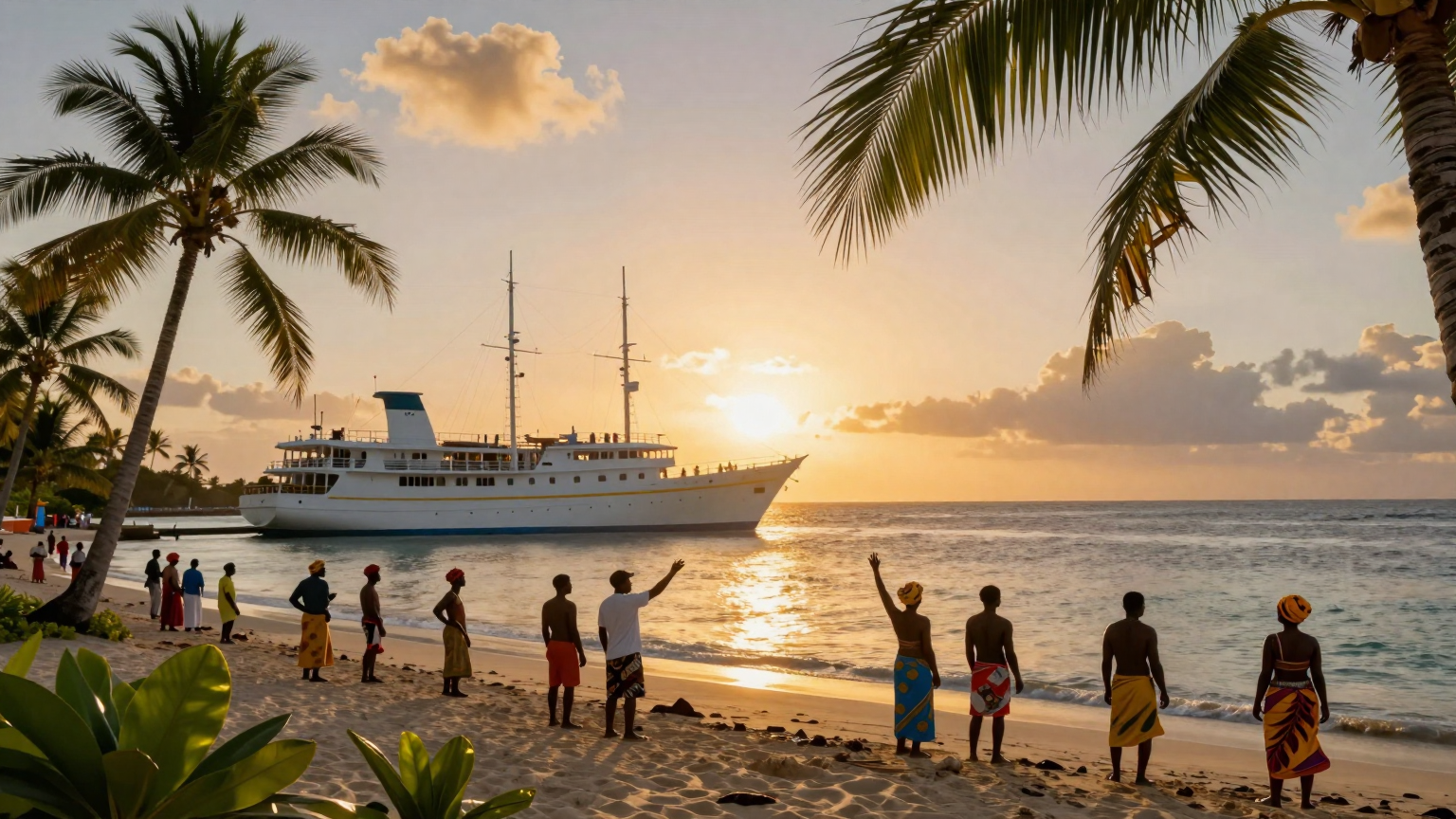
King Charles III has commenced a nine-day tour of the Caribbean, beginning his journey in Guyana, a nation rich in history and natural resources. This visit comes at a time when there is significant public demand for Britain to acknowledge and compensate for its role in the transatlantic slave trade 2345.
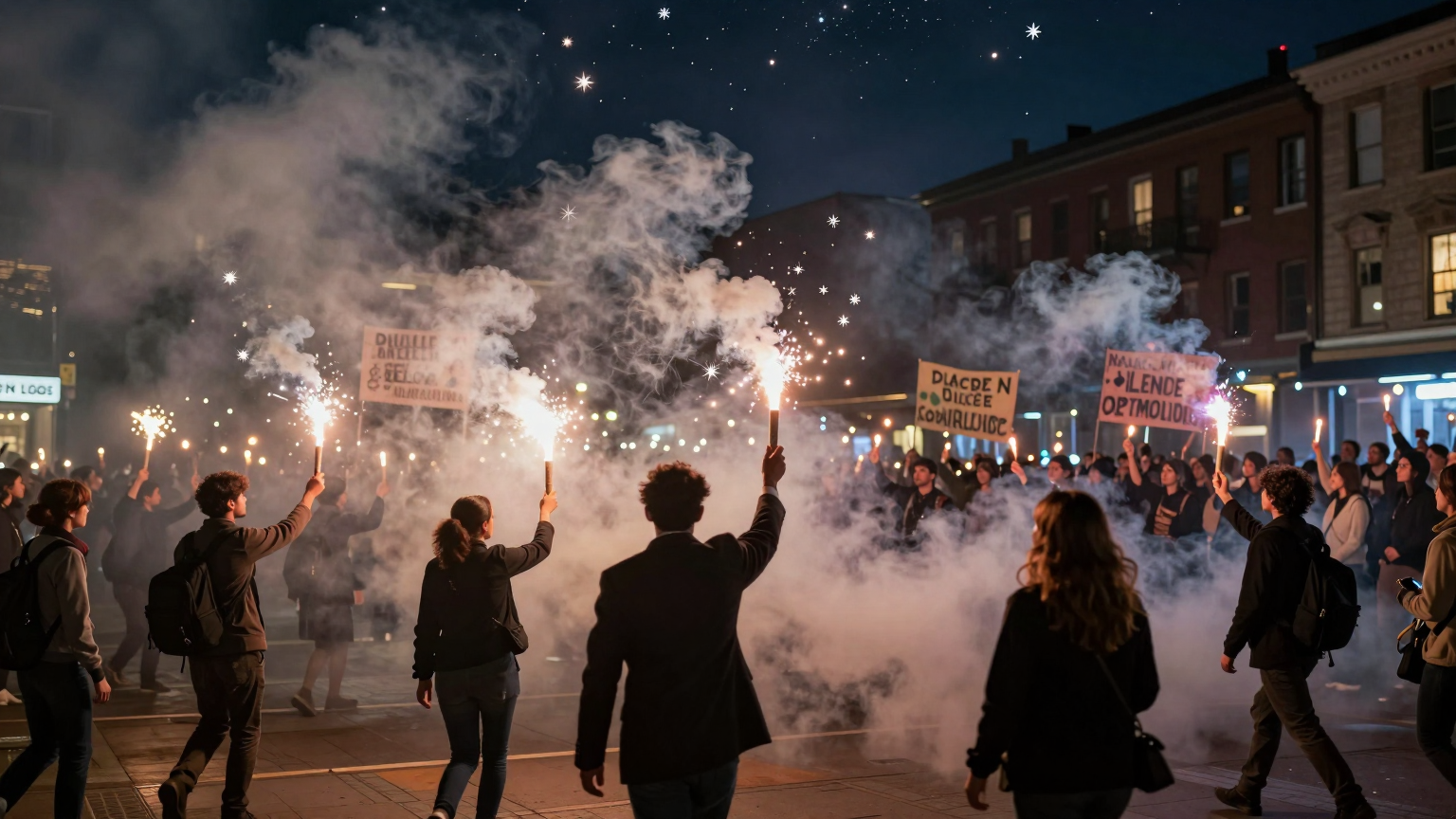
During his stay, the King will participate in various cultural and ceremonial events, including a notable stop in the Bahamas where he engaged in a traditional Junkanoo celebration 136. These festivities highlight the vibrant cultural tapestry of the Caribbean, which has been shaped by centuries of diverse influences.
In addressing the historical context of his visit, King Charles made a poignant acknowledgment of the suffering inflicted upon millions of Africans through the slave trade. His remarks reflect a growing recognition among British leaders of the profound impact of this dark chapter in history on the Caribbean nations 13.
Historical records indicate that when slavery was officially abolished in 1834, the British government provided substantial financial support to former slave owners, amounting to £20 million at the time 5. This compensation, while significant, did not extend to the individuals who had been enslaved, highlighting the complex and often unequal nature of post-abolition arrangements.
The scale of the African diaspora in the Caribbean is staggering, with approximately 5 million enslaved Africans being transported to the region between the 15th and 19th centuries 5. This mass displacement forms the backbone of the cultural and social fabric of many Caribbean countries, including Guyana, which witnessed one of the largest slave revolts in the region during the colonial era 4.
Guyana stands out not just for its historical significance but also for its modern economic potential. The discovery of massive oil deposits off its coast over a decade ago has positioned the country as a key player in the global energy market 4. This recent development adds another layer of interest to the King’s visit, as it underscores the evolving economic landscape of the Caribbean.
As King Charles continues his tour, the themes of historical reconciliation and contemporary prosperity will likely be central to the discussions and interactions he has with local communities and leaders.
What We Know
- King Charles III began a nine-day tour of the Caribbean, starting in Guyana 12345
- There are calls for Britain to apologize and pay reparations for its role in the slave trade 2345
- The King participated in a Junkanoo event in the Bahamas 136
- He acknowledged the suffering caused by the slave trade during his visit 13
- The British government compensated slave owners with £20 million when slavery was abolished in 1834 5
- About 5 million enslaved Africans were transported to the Caribbean between the 15th and 19th centuries 5
- The Royal Navy seized over 1,600 slave ships and freed about 150,000 Africans between 1808 and 1869 5
- Guyana experienced one of the largest slave revolts in the Caribbean during the colonial period 4
- Around 36% of Guyana's population is Black and 50% is East Indian 4
- Massive oil deposits were discovered off Guyana's coast over a decade ago 4
Powered by Quantum Forge Robotics with Jessi AI Intelligence
Verification report
- confirmed
King Charles visited the Caribbean for a nine-day tour.
97% · supported by 5 - confirmed
There are demands for Britain to apologize and pay reparations for its role in slavery.
97% · supported by 4 - confirmed
King Charles participated in a Junkanoo event in the Bahamas.
94% · supported by 3 - confirmed
King Charles acknowledged the suffering caused by the slave trade during his visit.
87% · supported by 2 - likely
The British government compensated slave owners with £20 million when slavery was abolished in 1834.
71% · supported by 1 - likely
Approximately 5 million enslaved Africans were transported to the Caribbean between the 15th and 19th centuries.
71% · supported by 1 - likely
The Royal Navy seized over 1,600 slave ships and freed about 150,000 Africans between 1808 and 1869.
71% · supported by 1 - likely
Guyana experienced one of the largest slave revolts in the Caribbean during the colonial period.
71% · supported by 1 - likely
Around 36% of Guyana's population is Black and 50% is East Indian.
71% · supported by 1 - likely
Massive oil deposits were discovered off Guyana's coast over a decade ago.
71% · supported by 1
Sources & references
- BBC Latin America — King Charles shows off dance moves on second day of Caribbean tour
- PBS NewsHour — King Charles III can't escape Britain's role in slavery as he tours Caribbean nations
- The Guardian — King Charles to discuss legacy of slavery with Commonwealth leaders at summit
- ABC News — King Charles III arrives in Guyana as part of official nine-day Caribbean trip
- CBS News — King faces calls for apology, slavery reparations in Caribbean
- Al Jazeera — King Charles on Caribbean tour as calls grow for slavery reparations