Judge Rejects Long-Term Ban on Taxpayer-Funded Pro-Trump Ads
A federal judge has declined to impose a long-term ban on advertisements supporting President Trump, despite criticism from Democrats who view them as propaganda.
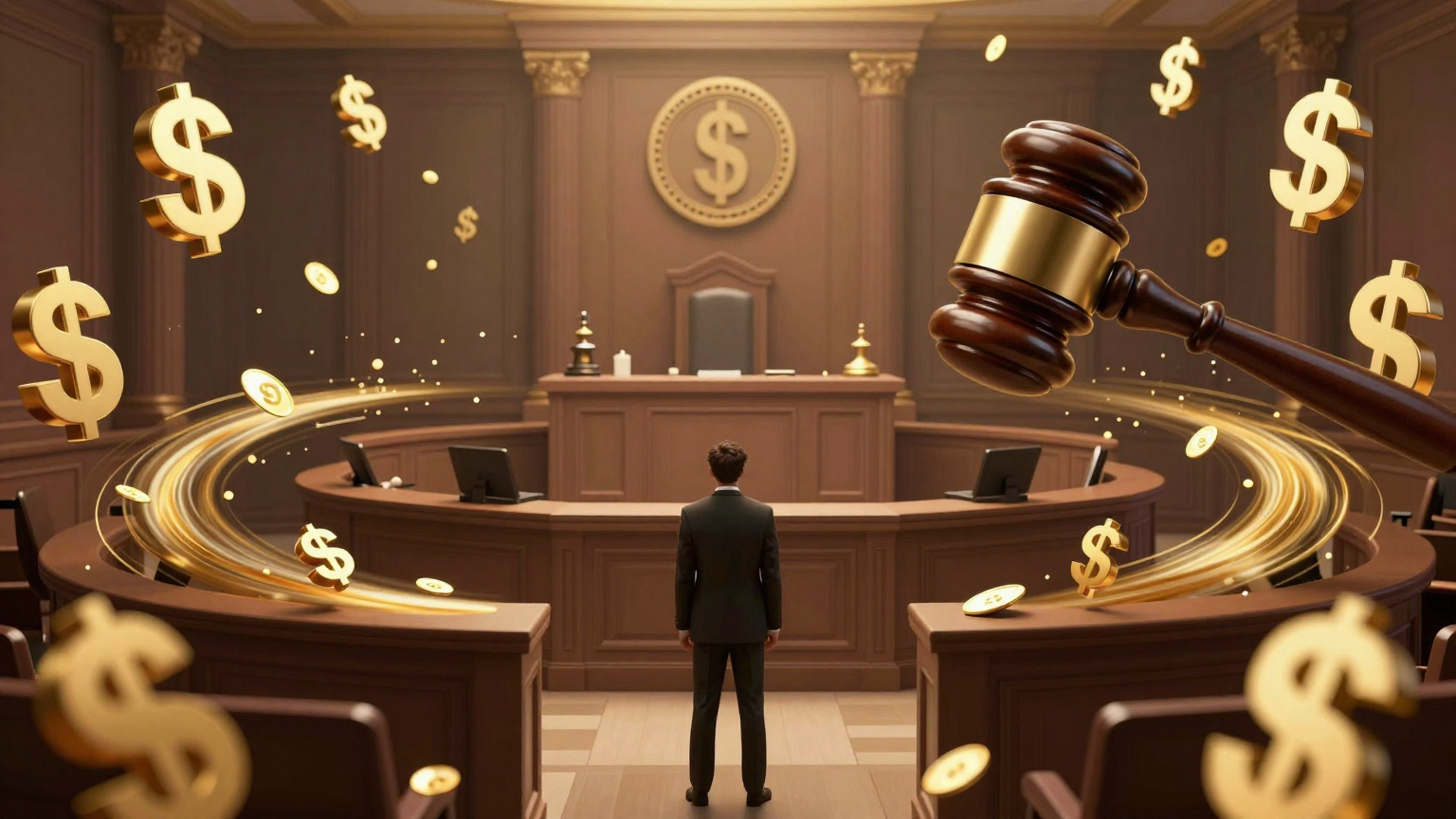
A federal judge has declined to impose a long-term ban on taxpayer-funded advertisements supporting President Trump, a decision that has disappointed Democratic National Committee (DNC) officials and sparked further debate over the use of public funds for political messaging.
The ruling, which came after the conclusion of the November 2026 midterm elections, means that the pro-Trump ads will not be subject to a permanent prohibition. These advertisements, which began appearing on cable and broadcast networks in late September, just over a month before the midterms, were described as promoting partisan messages and featuring the president himself.
Democrats had sought to ban these ads, viewing them as an attempt by the Trump administration to undermine democratic processes. The DNC expressed disappointment with the judge's decision and vowed to continue their fight against what they see as efforts to skew the political landscape in favor of the incumbent party.
The White House defended the ads, arguing that they were akin to public service announcements made by previous administrations. In response to the legal challenge, President Trump announced that his super PAC, MAGA Inc., would take over funding for the ads, thereby alleviating concerns about the use of public funds.
The Justice Department contended that there was no immediate threat of harm since the government had ceased using public funds for the ads and the midterm elections had already taken place. This argument played a significant role in the judge's decision to reject the long-term ban.
Another judge in New York had previously declined a similar request for a long-term ban on comparable ads, indicating a broader trend in judicial support for the continued use of such messaging.
The ad campaign, which cost nearly $20 million, featured at least five commercials. Notably, one of these ads included President Trump's voice and used a song by JMSN without obtaining permission, adding an additional layer of controversy to the advertising effort.
What we know
- A federal judge declined to issue a long-term ban on taxpayer-funded, pro-Trump advertisements. 123
- The DNC expressed disappointment with the judge's decision and said they would continue fighting to end the Trump administration's efforts to undermine democracy. 23
- Democrats had been seeking this ban on the pro-Trump ads. 1
- The advertisements were described as promoting partisan messages and President Donald Trump before the midterm elections. 1
- The ruling came after the November 2026 midterm elections had concluded. 2
- Another judge in New York also declined a long-term ban on similar ads. 2
- The ads first appeared on cable and broadcast networks in late September, just over a month before the midterms. 2
- Democrats sued the Trump administration in October regarding these ads. 2
- The White House defended the ads as public service announcements similar to those made by past administrations. 2
- President Trump stated that his super PAC, MAGA Inc., would start paying for the ads. 2
- The Justice Department argued there was no threat of harm since the government had stopped using public funds for the ads and the midterm elections had passed. 2
- The ad campaign cost nearly $20 million and featured at least five commercials. 3
- One commercial included President Trump's voice and used a song by JMSN without obtaining permission. 3
Powered by Quantum Forge Robotics with Jessi AI Intelligence
Trust Score report
- confirmed
A federal judge declined to issue a long-term ban on taxpayer-funded, pro-Trump advertisements.
93% · supported by 3 - likely
The DNC expressed disappointment with the judge's decision and said they would continue fighting to end the Trump administration's efforts to undermine democracy.
85% · supported by 2 - likely
Democrats had been seeking this ban on the pro-Trump ads.
72% · supported by 1 - likely
The advertisements were described as promoting partisan messages and President Donald Trump before the midterm elections.
72% · supported by 1 - likely
The ruling came after the November 2026 midterm elections had concluded.
71% · supported by 1 - likely
Another judge in New York also declined a long-term ban on similar ads.
71% · supported by 1 - likely
The ads first appeared on cable and broadcast networks in late September, just over a month before the midterms.
71% · supported by 1 - likely
Democrats sued the Trump administration in October regarding these ads.
71% · supported by 1 - likely
The White House defended the ads as public service announcements similar to those made by past administrations.
71% · supported by 1 - likely
President Trump stated that his super PAC, MAGA Inc., would start paying for the ads.
71% · supported by 1 - likely
The Justice Department argued there was no threat of harm since the government had stopped using public funds for the ads and the midterm elections had passed.
71% · supported by 1 - likely
The ad campaign cost nearly $20 million and featured at least five commercials.
70% · supported by 1 - likely
One commercial included President Trump's voice and used a song by JMSN without obtaining permission.
70% · supported by 1