Amateur Historian Reveals Possible Role of Jones Beach Namesake in Pirate Heist Evasion
An amateur historian has uncovered evidence suggesting Thomas Jones, namesake of New York's Jones Beach, might have aided notorious pirate Captain Henry Every in evading authorities following a brutal raid.
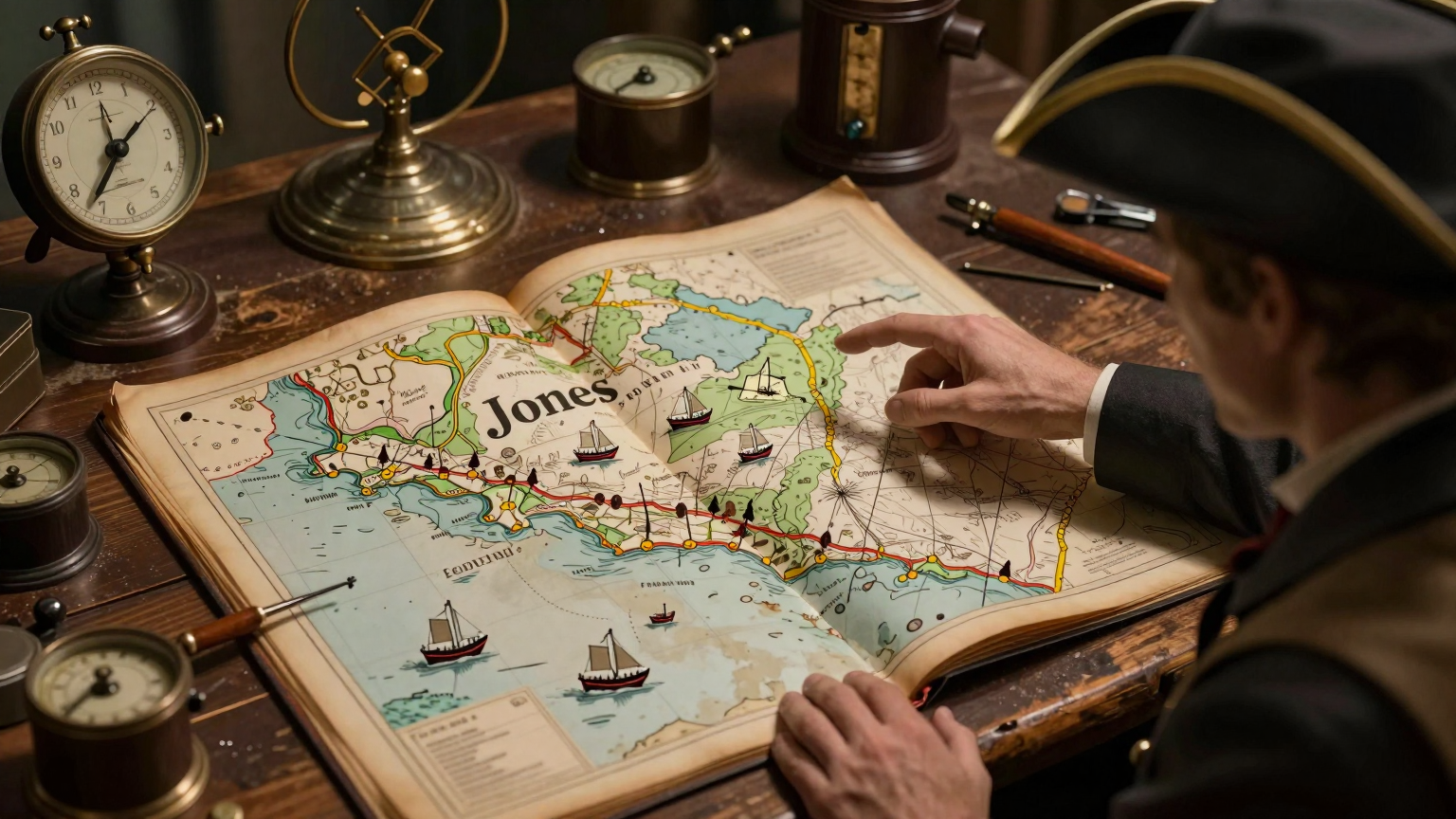
An amateur historian has made a significant discovery linking the namesake of New York's iconic Jones Beach to a famous pirate heist, potentially shedding light on how the notorious Captain Henry Every and his crew managed to evade authorities after their infamous raid on the Ganj-i-Sawai in 1695.
According to reports, Thomas Jones, the man after whom Jones Beach is named, reportedly played a crucial role in helping Captain Henry Every and his crew escape the clutches of law enforcement following their audacious robbery. This revelation comes as part of a broader investigation into the life and connections of Thomas Jones, a former military officer who later became a successful businessman and landowner in New York.
The raid on the Ganj-i-Sawai, a grand ship belonging to the Mughal Emperor, was characterized by its brutality, involving torture, killing, and rape at the hands of Captain Henry Every's crew. This daring act of piracy took place in 1695 and left a lasting impact on maritime history. The newly uncovered information suggests that Thomas Jones, known for his business acumen and social standing, may have provided assistance to the pirates, possibly through his extensive network and resources.
Thomas Jones received a substantial land grant on Long Island from his father-in-law in 1696, shortly after the Ganj-i-Sawai raid. This timing has led historians to speculate about a possible connection between these events. Furthermore, in 1698, Governor Richard Coote launched an investigation into a barrel of money found at Jones' residence, which adds another layer of intrigue to the story. Despite Jones' apparent wealth and influence, he passed away in 1713, leaving behind persistent rumors about his alleged piratical past.
These findings offer a fascinating glimpse into the interconnected lives of prominent figures in early American history and the world of piracy. They highlight how personal relationships and strategic alliances could play a pivotal role in shaping historical outcomes, even in the face of dramatic events like the Ganj-i-Sawai heist.
What we know
- An amateur historian discovered information connecting the namesake of New York's Jones Beach to a famous pirate. 123456
- The person associated with Jones Beach is believed to be connected to a well-known pirate. 123456
- Thomas Jones may have helped Captain Henry Every and his crew evade authorities after robbing the Ganj-i-Sawai. 34
- The raid on the Ganj-i-Sawai involved torture, killing, and rape by Captain Henry Every’s crew. 34
- Thomas Jones was a former military officer who became a successful businessman and landowner in New York. 34
- Thomas Jones received a large land grant on Long Island from his father-in-law in 1696. 34
- Governor Richard Coote investigated Thomas Jones in 1698 regarding a barrel of money found at Jones' home. 34
- Jones died in 1713, with rumors of his piratical past persisting long after his death. 4
Verification report
Likely accurate — probability of truth 76%, weighted across 8 claims from 6 independent outlets. Since the first report: 70% → 76%, outlets 3 → 6.
- confirmed An amateur historian discovered information connecting the namesake of New York's Jones Beach to a famous pirate. (85%)
- confirmed The person associated with Jones Beach is believed to be connected to a well-known pirate. (85%)
- likely Thomas Jones, the namesake of Jones Beach, may have helped Captain Henry Every and his crew evade authorities after robbing the Ganj-i-Sawai. (71%)
- likely The raid on the Ganj-i-Sawai occurred in 1695 involving torture, killing, and rape by Captain Henry Every’s crew. (71%)
- likely Thomas Jones was a former military officer who became a successful businessman and landowner in New York. (71%)
- likely Thomas Jones received a large land grant on Long Island from his father-in-law in 1696. (71%)
- likely Governor Richard Coote investigated Thomas Jones in 1698 regarding a barrel of money found at Jones' home. (71%)
- likely Jones died in 1713, with rumors of his piratical past persisting long after his death. (71%)
Sources
- WKYC (Ohio) — Amateur historian’s look into murderous pirate finds New York beach's namesake may have helped with heist
https://www.wkyc.com/article/news/nation-world/jones-beach-pirate-history/507-416f3dab-a42a-4a21-be95-2a46a3cc7f12 - WFAA (Texas) — Amateur historian’s look into murderous pirate finds New York beach's namesake may have helped with heist
https://www.wfaa.com/article/news/nation-world/jones-beach-pirate-history/507-416f3dab-a42a-4a21-be95-2a46a3cc7f12 - CBS News — Murderous 17th century pirate linked to iconic New York figure
https://www.cbsnews.com/news/murderous-pirate-capt-henry-every-linked-thomas-jones-historian/ - ABC News U.S. — Historian’s look into murderous pirate finds New York beach namesake may have helped
https://abcnews.com/US/wireStory/amateur-historians-murderous-pirate-finds-new-york-beach-137762054 - 10TV (Columbus) — Amateur historian’s look into murderous pirate finds New York beach's namesake may have helped with heist
https://www.10tv.com/article/news/nation-world/jones-beach-pirate-history/507-416f3dab-a42a-4a21-be95-2a46a3cc7f12 - KVUE (Austin) — Amateur historian’s look into murderous pirate finds New York beach's namesake may have helped with heist
https://www.kvue.com/article/news/nation-world/jones-beach-pirate-history/507-416f3dab-a42a-4a21-be95-2a46a3cc7f12