Ethiopia's Northern Conflict Strains Health System, WHO Chief Warns
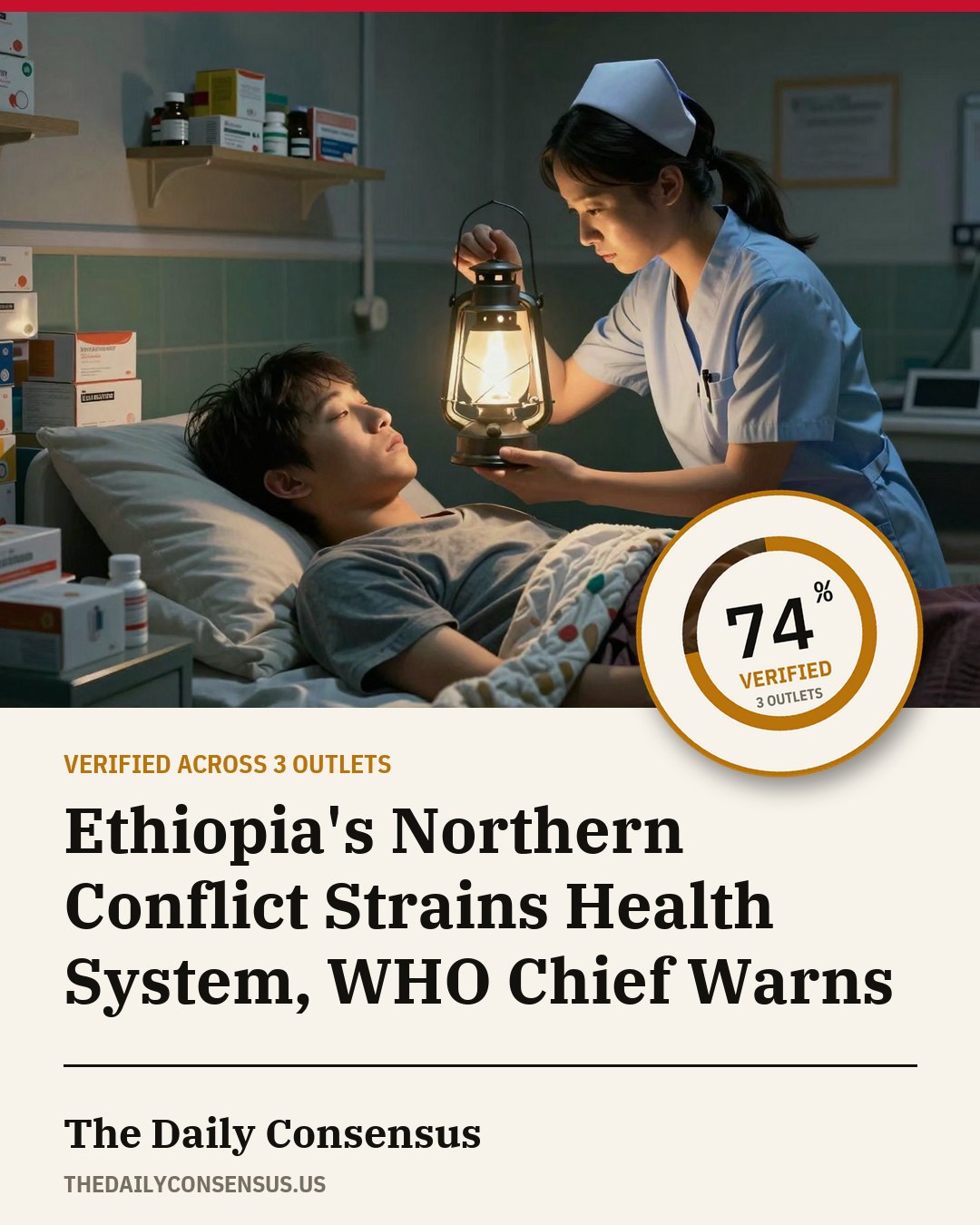
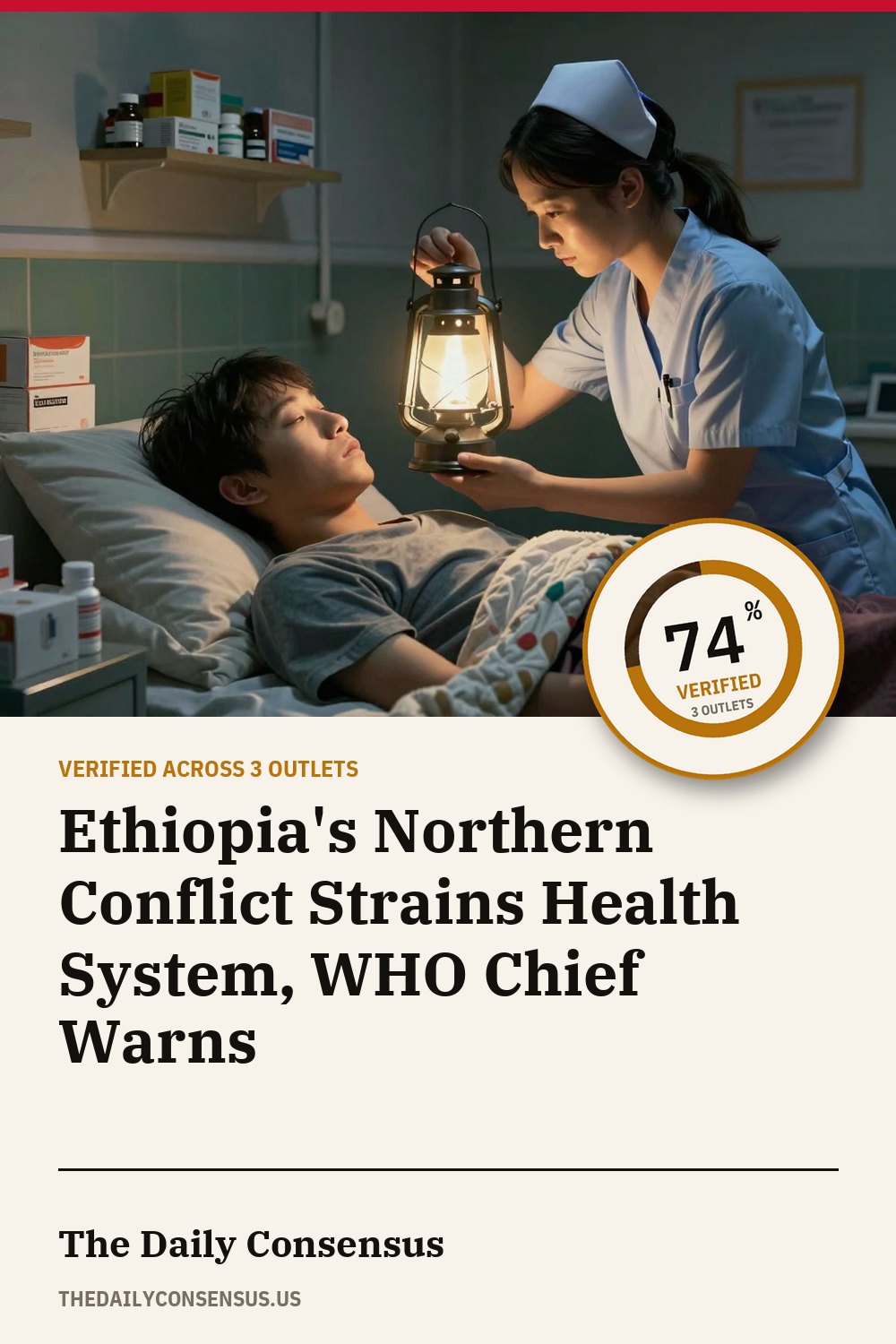
The ongoing violence in northern Ethiopia is placing immense pressure on the local health infrastructure, leading to shortages of medical supplies and personnel.

Several people lost their lives in the Tigray region while trying to secure food due to a strike, highlighting the severe challenges faced by residents in obtaining basic necessities 123. This tragic event underscores the broader difficulties experienced by hospitals in the area, which are grappling with shortages of staff, medicines, and equipment 123. Additionally, ambulance services are constrained, and the prevailing insecurity impedes the delivery of medical supplies, further complicating efforts to provide care 123.
The WHO chief has issued a stark warning, emphasizing that the violence in northern Ethiopia is exerting significant strain on the health system 1. This comes amid reports that the November 2022 peace agreement between Tigray rebels and the federal government in Addis Ababa is on the verge of collapse due to renewed hostilities 23. The resumption of fighting in Amhara, Tigray, and Afar regions since September 2022 has exacerbated these issues 1.
In a recent development, at least 15 individuals, many of whom were children, reportedly perished in drone strikes targeting a camp for displaced persons in Amhara, according to some sources 23. However, this information is contested by other reports, which indicate that fatalities did occur at a displacement camp in Amhara but include a newborn rather than multiple children 1. Despite these discrepancies, the impact on the local population remains profound.
The UN Secretary-General, António Guterres, has expressed deep concern over the potential for further escalation and broader instability in the region 1. His worries are heightened by recent attacks on civilians and health facilities, which have become increasingly common in Ethiopia 1. These incidents underscore the critical need for enhanced protection for civilians and continued support from international organizations like the WHO and its partners, who work tirelessly to deliver essential medical supplies to affected areas 1.
Moreover, the Ethiopian Prime Minister, Abiy Ahmed, is currently engaged in military training alongside other government leaders, while a coalition of seven opposition groups seeks to oust his administration through greater collaboration and expanded diplomatic engagement 3.
What We Know
- Several people died in Tigray while attempting to get food due to a strike 123
- Hospitals face shortages of staff, medicines, and equipment 123
- Ambulance services are limited, and insecurity hinders medical supply delivery 123
- Violence in northern Ethiopia is putting pressure on the health system 12
- The November 2022 peace agreement is nearly broken due to renewed fighting 23
- At least 15 people, many children, died in drone strikes in Amhara, though this is disputed 123
- The WHO chief called for increased protection for civilians 1
- Fighting resumed in Amhara, Tigray, and Afar regions in September 2022 1
- UN Secretary-General expressed concern over potential escalation and wider instability 1
- Recent attacks on civilians and health facilities alarmed the UN Secretary-General 1
- WHO and partners work continuously to provide necessary medical supplies 1
- Continued fighting may reduce access to essential healthcare services 1
- At least 60 Orthodox Christians were killed in separate attacks in Oromia 3
- Ethiopian Prime Minister is undergoing military training with government leaders 3
- A coalition of seven opposition groups aims to remove Abiy's government 3
What Remains Unclear

Powered by Quantum Forge Robotics with Jessi AI Intelligence
Verification report
- confirmed
Several people died in Tigray region while attempting to obtain food due to a strike.
93% · supported by 3 - confirmed
Hospitals in the area experience shortages of staff, medicines, and equipment.
93% · supported by 3 - confirmed
Ambulance services are limited and insecurity hinders medical supply delivery.
93% · supported by 3 - confirmed
Violence in northern Ethiopia is putting pressure on the health system.
85% · supported by 2 - confirmed
The November 2022 peace agreement between Tigray rebels and the government in Addis Ababa is nearly broken due to renewed fighting.
85% · supported by 2 - likely
At least 15 people, many of them children, died in drone strikes hitting a camp for displaced civilians in Amhara.
71% · supported by 2, contradicted by 1 - likely
Children were among those killed in the Jaari 2 displacement camp in Amhara.
71% · supported by 2, contradicted by 1 - disputed
Fatalities occurred at a displacement camp in Amhara region, including a newborn.
29% · supported by 1, contradicted by 2 - likely
The WHO chief called for increased protection for civilians in northern Ethiopia.
71% · supported by 1 - likely
Fighting resumed in Amhara, Tigray, and Afar regions in September 2022.
71% · supported by 1 - likely
UN Secretary-General António Guterres expressed concern over potential escalation and wider instability.
71% · supported by 1 - likely
Recent attacks on civilians and health facilities alarmed UN Secretary-General.
71% · supported by 1 - likely
Drone attacks and civilian casualties frequently occur in Ethiopia.
71% · supported by 1 - likely
WHO and partners work continuously to provide necessary medical supplies to affected regions.
71% · supported by 1 - likely
Continued fighting may result in reduced access to essential healthcare services.
71% · supported by 1 - likely
At least 60 Orthodox Christians were killed in separate attacks in Oromia.
71% · supported by 1 - likely
Ethiopian Prime Minister Abiy Ahmed is undergoing military training with government leaders.
71% · supported by 1 - likely
A coalition of seven opposition groups aims to remove Abiy's government through increased cooperation and expanded diplomatic engagement.
71% · supported by 1