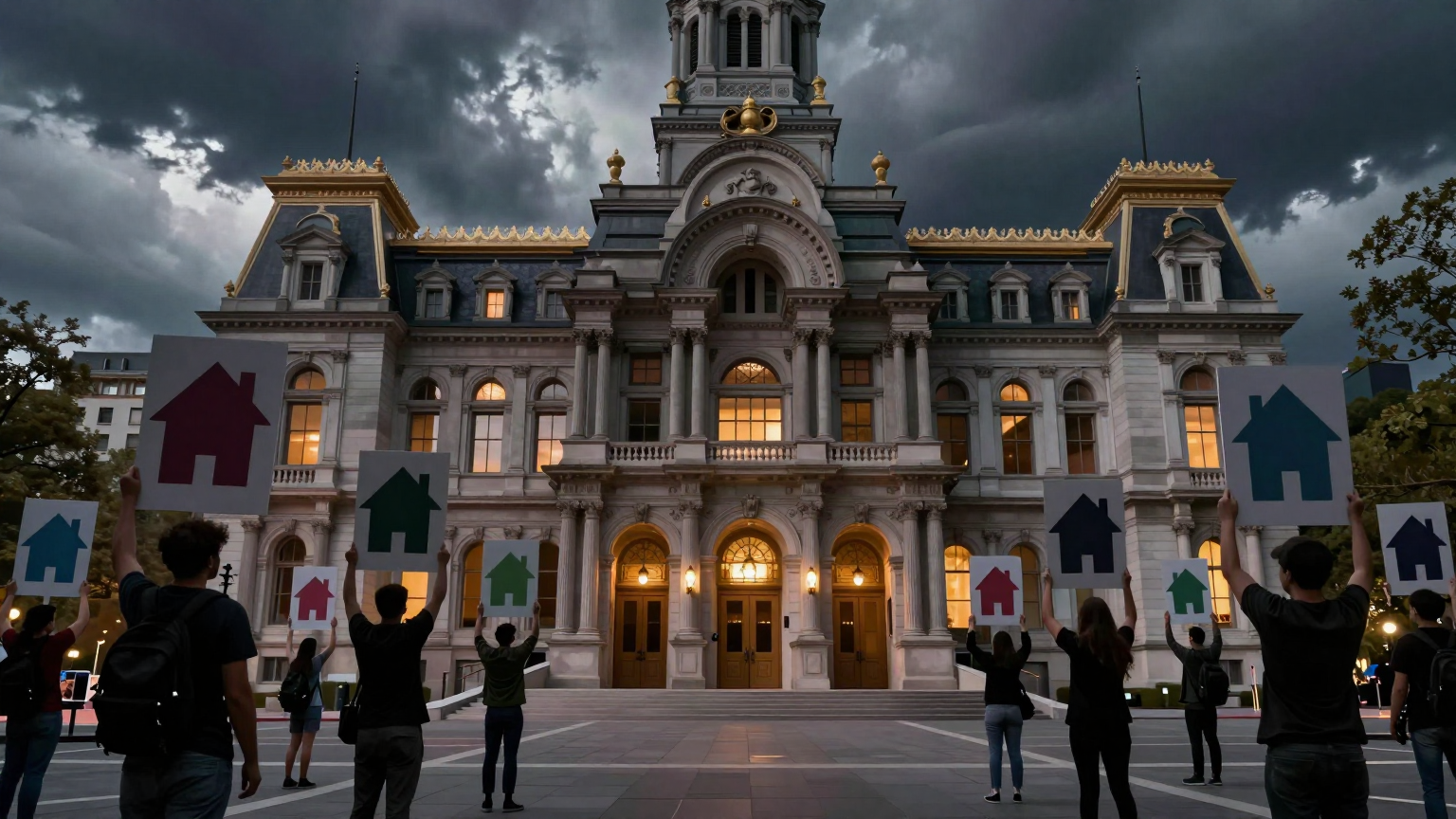
Democrats Secure Control of Congress Amidst Midterm Sweep
The Blue Wave swept through the midterms, handing Democrats control of both chambers of Congress, while President Trump asserts his influence over the legislative process.
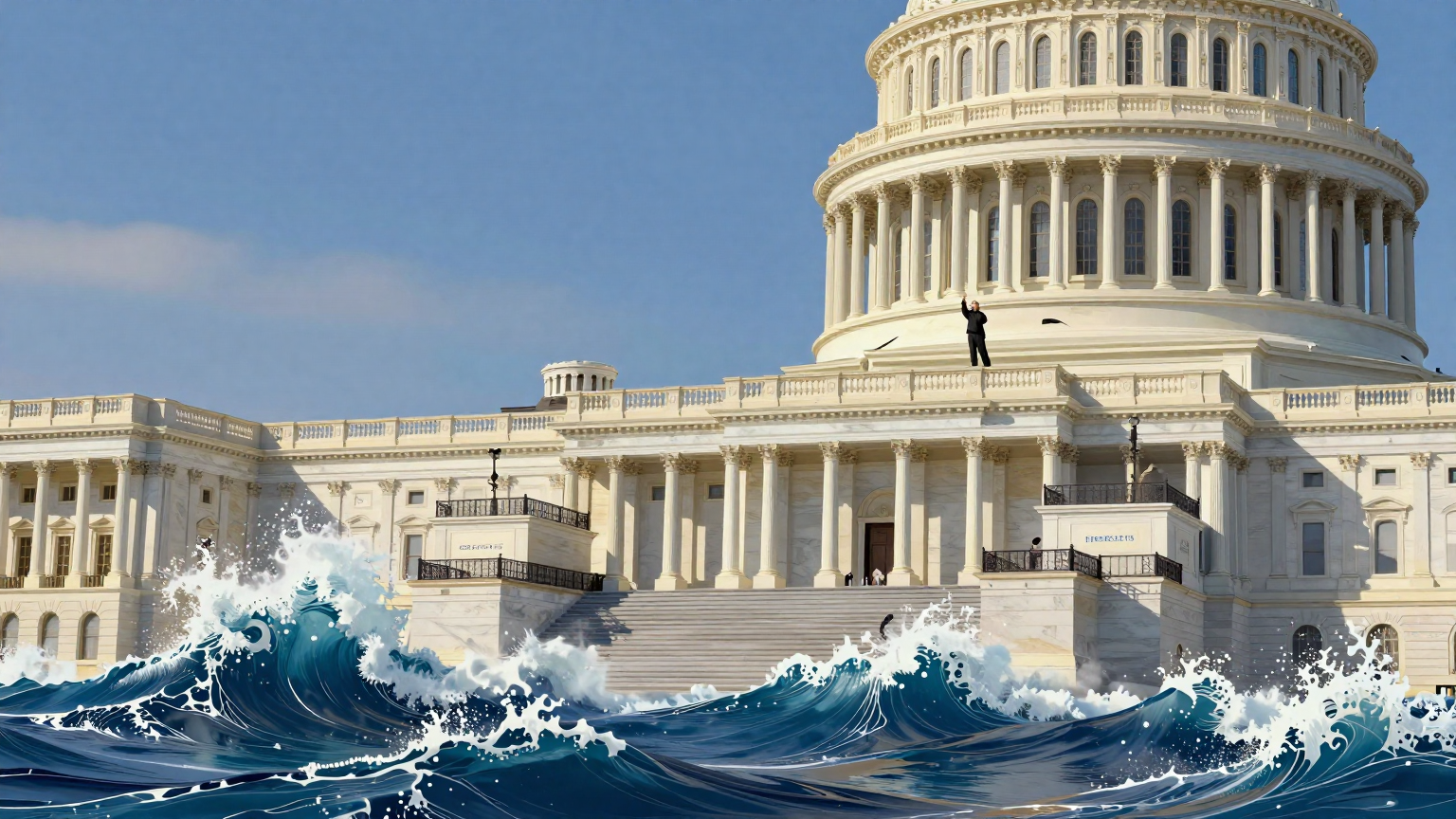
In a significant political shift, Democrats have secured control of both the House of Representatives and the Senate following Tuesday's midterm elections, marking a notable victory for the party and a challenge to President Donald Trump's agenda. According to multiple reports, Democrats now hold 228 seats in the House, compared to Republicans' 139, with 68 races yet to be decided 3. This outcome represents a substantial rebuke of the current administration and the Republican Party, reflecting widespread dissatisfaction among voters 3.
President Trump, however, has not conceded the full extent of the Democrats' triumph. He recently claimed that he retains 'ultimate power' to block any Democratic initiatives, suggesting a continued assertive stance in the face of the new congressional majority 1. This assertion comes despite the clear electoral mandate given to the Democrats, indicating potential friction ahead in Washington.
The midterms saw several notable individual victories, including Abdul El-Sayed, who became the first Muslim senator in U.S. history, defeating incumbent Mike Rogers 2. Additionally, James Talarico secured a Senate seat that had long been held by Republicans, adding to the Democrats' gains 2. Other significant wins included Byron Donalds becoming the governor of Florida, Jocelyn Benson taking the governorship of Michigan, and Jon Ossoff winning re-election to the Senate in Georgia 2.
Several key Senate races remain undecided as of early Wednesday morning, with the outcomes in Mississippi and Alaska still pending 3. Similarly, gubernatorial contests in Alaska and Kansas were too close to call, leaving some uncertainty in the overall landscape of state leadership 3. Despite these unresolved races, the overall trend is clear: Democrats have achieved a significant expansion of their influence in Washington.
Senate Majority Leader John Thune has indicated a willingness to collaborate with President Trump to counter Democratic policies, signaling a potential path forward for bipartisan cooperation even as the political winds shift 3. Meanwhile, President Trump acknowledged the Democrats' success but expressed optimism about future collaboration, highlighting the possibility of continued engagement between the White House and Capitol Hill 3.
What we know
- - Democrats won control of the House and Senate 123
- - President Trump claims he has 'ultimate power' to block Democrats 1
- - Abdul El-Sayed became the first Muslim senator in U.S. history 2
- - Democrats flipped several Republican-held Senate seats in various states 3
- - Democrats won 228 House seats compared to 139 for Republicans, with 68 races still pending 3
- - The midterm results represented a significant rejection of President Donald Trump and the Republican Party 3
- - James Talarico won a Senate seat previously held by Republicans for many years 2
- - Byron Donalds won the governorship of Florida 2
- - Jon Ossoff won the Senate re-election in Georgia 2
- - Roy Cooper won the Senate election in North Carolina 2
- - Jocelyn Benson became the next governor of Michigan 2
- - Two Senate races remained undecided as of early Wednesday morning, one each in Mississippi and Alaska 3
- - Gubernatorial races in Alaska and Kansas were also too close to call as of early Wednesday 3
- - Senate Majority Leader John Thune pledged to work with Trump to counter Democratic policies 3
- - President Trump acknowledged the Democrats' success but expressed optimism about future cooperation 3





Powered by Quantum Forge Robotics with Jessi AI Intelligence
Trust Score report
- confirmed
Democrats won control of the House and Senate.
93% · supported by 3 - likely
President Trump claims he has 'ultimate power' to block Democrats.
71% · supported by 1 - likely
Abdul El-Sayed won against Mike Rogers to become the first Muslim senator in U.S. history.
71% · supported by 1 - likely
Democrats flipped several Republican-held Senate seats in states such as Maine, Ohio, Kansas, Iowa, Texas, North Carolina, and South Carolina.
68% · supported by 1 - likely
Democrats won 228 House seats compared to 139 for Republicans, with 68 races still pending.
68% · supported by 1 - likely
The midterm results represented a significant rejection of President Donald Trump and the Republican Party.
68% · supported by 1 - likely
James Talarico won a Senate seat previously held by Republicans for many years.
71% · supported by 1 - likely
Byron Donalds won the governorship of Florida.
71% · supported by 1 - likely
Jon Ossoff won the Senate re-election in Georgia.
71% · supported by 1 - likely
Roy Cooper won the Senate election in North Carolina.
71% · supported by 1 - likely
Jocelyn Benson became the next governor of Michigan.
71% · supported by 1 - likely
Two Senate races remained undecided as of early Wednesday morning, one each in Mississippi and Alaska.
68% · supported by 1 - likely
Gubernatorial races in Alaska and Kansas were also too close to call as of early Wednesday.
68% · supported by 1 - likely
Senate Majority Leader John Thune pledged to work with Trump to counter Democratic policies.
68% · supported by 1 - likely
President Trump acknowledged the Democrats' success but expressed optimism about future cooperation.
68% · supported by 1