Daylight Saving Time Ends This Weekend, With Extra Sleep for Many
The transition back to standard time offers an additional hour of rest for most Americans, though a bill to make daylight saving permanent faces hurdles in the Senate.

This weekend marks the end of daylight saving time, bringing an extra hour of sleep for many Americans as they adjust their clocks back one hour. According to reports, this time change will take place on Sunday morning, offering a welcome respite from the usual early wake-up call 45.
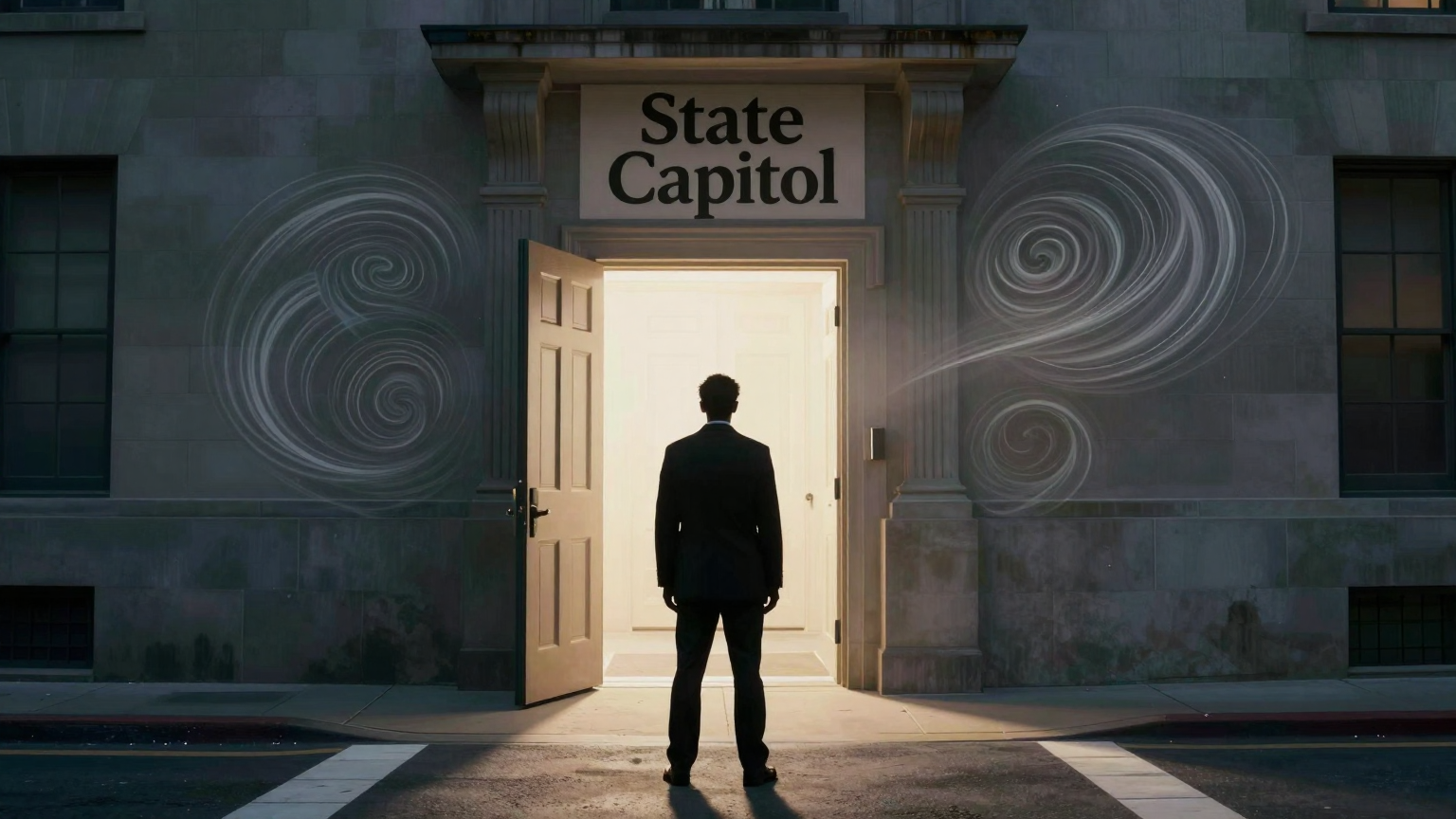
The upcoming shift in time also highlights the ongoing debate over whether daylight saving should become the permanent standard across the United States. The Sunshine Protection Act, which has already received strong bipartisan support in the House of Representatives, aims to abolish the biannual clock changes by making daylight saving time the new norm 5. However, this legislation faces significant challenges in the Senate, where Republican leaders such as John Thune have shown resistance to its passage 35.
President Donald Trump has expressed his backing for the bill, adding political weight to the push for permanent daylight saving time 35. Despite this support, the bill requires 60 votes to move forward in the Senate, and it currently lacks a clear pathway to approval before the end of 2026 5.
The decision to maintain the current system of time changes is not without historical precedent. In 1973, a similar effort to implement permanent daylight saving time was ultimately repealed due to widespread public opposition 3. More recently, an AP-NORC poll revealed that only 12% of American adults favor the existing arrangement, with nearly half of respondents opposing it 3.
In Arkansas, the proposed change to permanent daylight saving time would mean that sunrise would typically occur after 8 a.m. during much of the winter season, potentially affecting daily routines and activities 5.
What We Know
- The time change due to daylight saving ends this weekend. 245
- The Sunshine Protection Act seeks to make daylight saving time permanent. 35
- The bill is stalled in the Senate, with no clear path to passage before 2026. 35
- The House of Representatives passed the act with strong bipartisan support. 5
- President Donald Trump supports the bill. 35
- Senate Republican leaders, including John Thune, oppose the bill. 35
- Most of the nation will return to standard time on Sunday morning. 5
- People will get an extra hour of sleep due to the time change on a holiday. 4
- In Arkansas, sunrise would occur after 8 a.m. during much of the winter if daylight saving time continued year-round. 5
- The bill needs 60 votes to proceed in the Senate. 5
- An AP-NORC poll found that only 12% of American adults favored the current system. 3
- A previous attempt at permanent daylight saving time in 1973 was repealed due to public opposition. 3
- The Standard Time Act of 1918 created the U.S. time zone system. 5
- The Uniform Time Act of 1966 established the current system of biannual clock changes. 5

Powered by Quantum Forge Robotics with Jessi AI Intelligence
Verification report
- confirmed
The time change due to daylight saving ends this weekend.
93% · supported by 3 - confirmed
The bill would make daylight saving time the permanent standard across the U.S., eliminating the biannual clock changes.
85% · supported by 2 - confirmed
The bill is stalled in the Senate, with no clear path to passage before the end of 2026.
85% · supported by 2 - likely
The House of Representatives passed the Sunshine Protection Act in July 2026 with strong bipartisan support (308-17).
71% · supported by 1 - confirmed
President Donald Trump is pushing for the bill to be passed.
85% · supported by 2 - confirmed
Senate Republican leaders, including John Thune, are resistant to the bill.
85% · supported by 2 - likely
Most of the nation will return to standard time on Sunday morning.
71% · supported by 1 - likely
People will get an extra hour of sleep due to daylight saving time ending on a holiday.
71% · supported by 1 - likely
In Arkansas, if daylight saving time continued year-round, sunrise would occur after 8 a.m. during much of the winter.
71% · supported by 1 - likely
The bill would need 60 votes to proceed in the Senate.
71% · supported by 1 - likely
An AP-NORC poll found that only 12% of American adults favored the current system, while nearly half opposed it.
71% · supported by 1 - likely
A previous attempt at permanent daylight saving time in 1973 was repealed due to public opposition.
71% · supported by 1 - likely
The Standard Time Act of 1918 created the U.S. time zone system.
71% · supported by 1 - likely
The Uniform Time Act of 1966 established the current system of biannual clock changes.
71% · supported by 1
Sources & references
- Medical Xpress — Permanent daylight saving time could add at least two billion dark school commutes across US
- NBC News Health — Clocks Change This Weekend: What You Can Do Now to Adjust
- ABC News U.S. — Senate skeptical about making daylight saving time permanent despite Trump's pressure
- Cleveland.com (Ohio) — Daylight saving time will end on an extra special day this year, and it won’t happen again for awhile
- Ohio Capital Journal (Ohio) — Time for change? Permanent daylight saving time bill awaiting US Senate action