Cyber Threats Loom Over U.S. Food Supply Following European Attacks
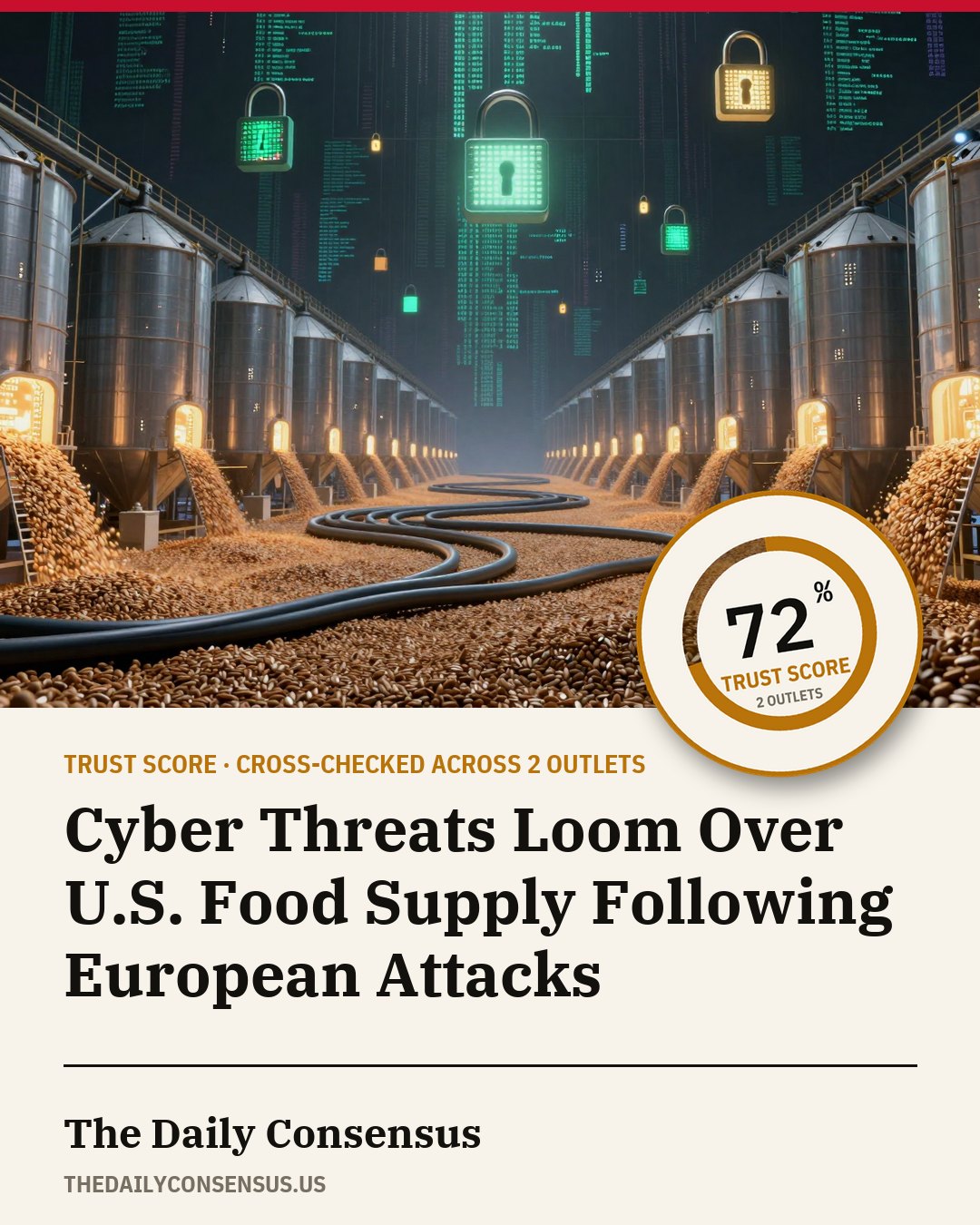
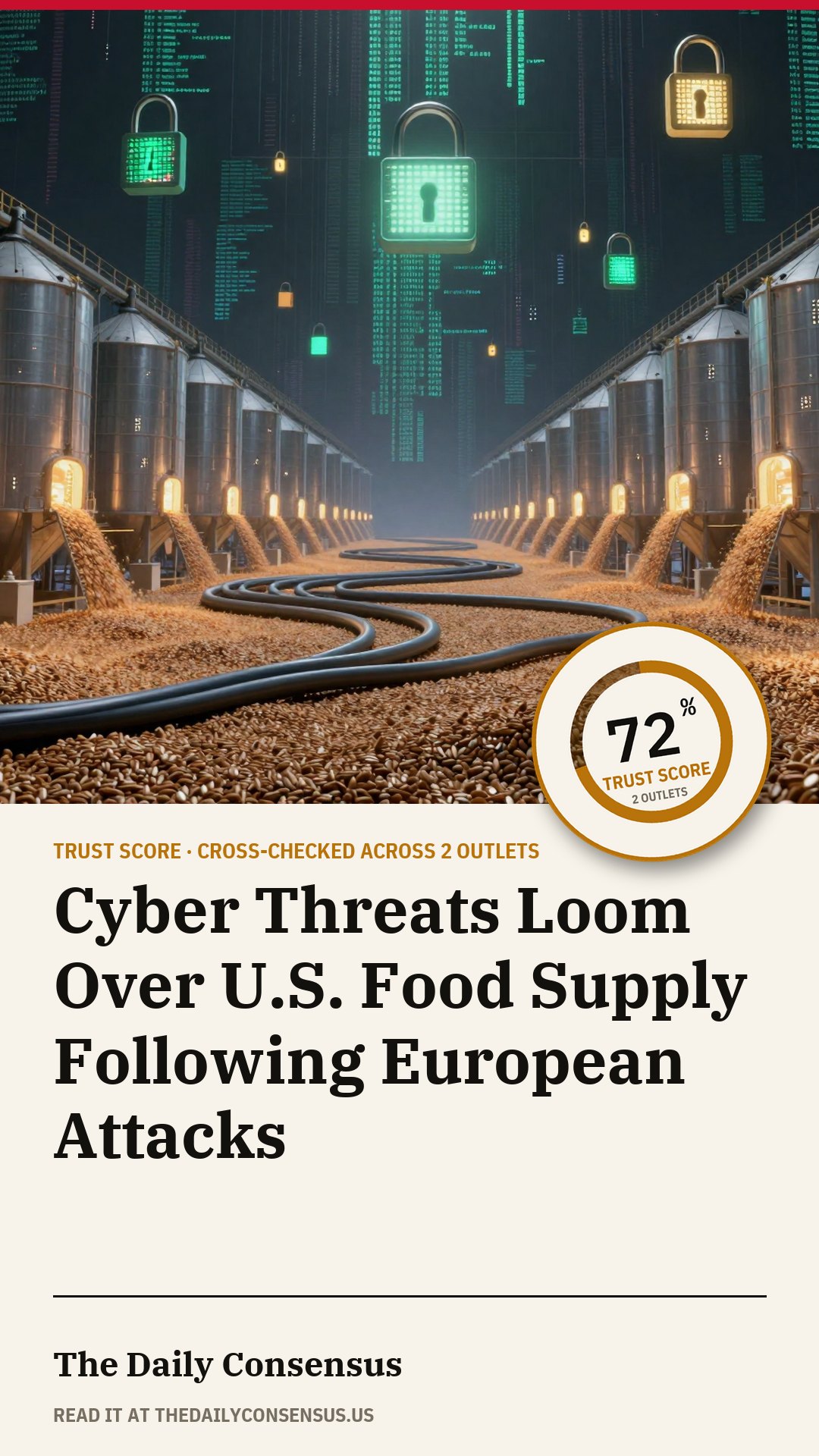
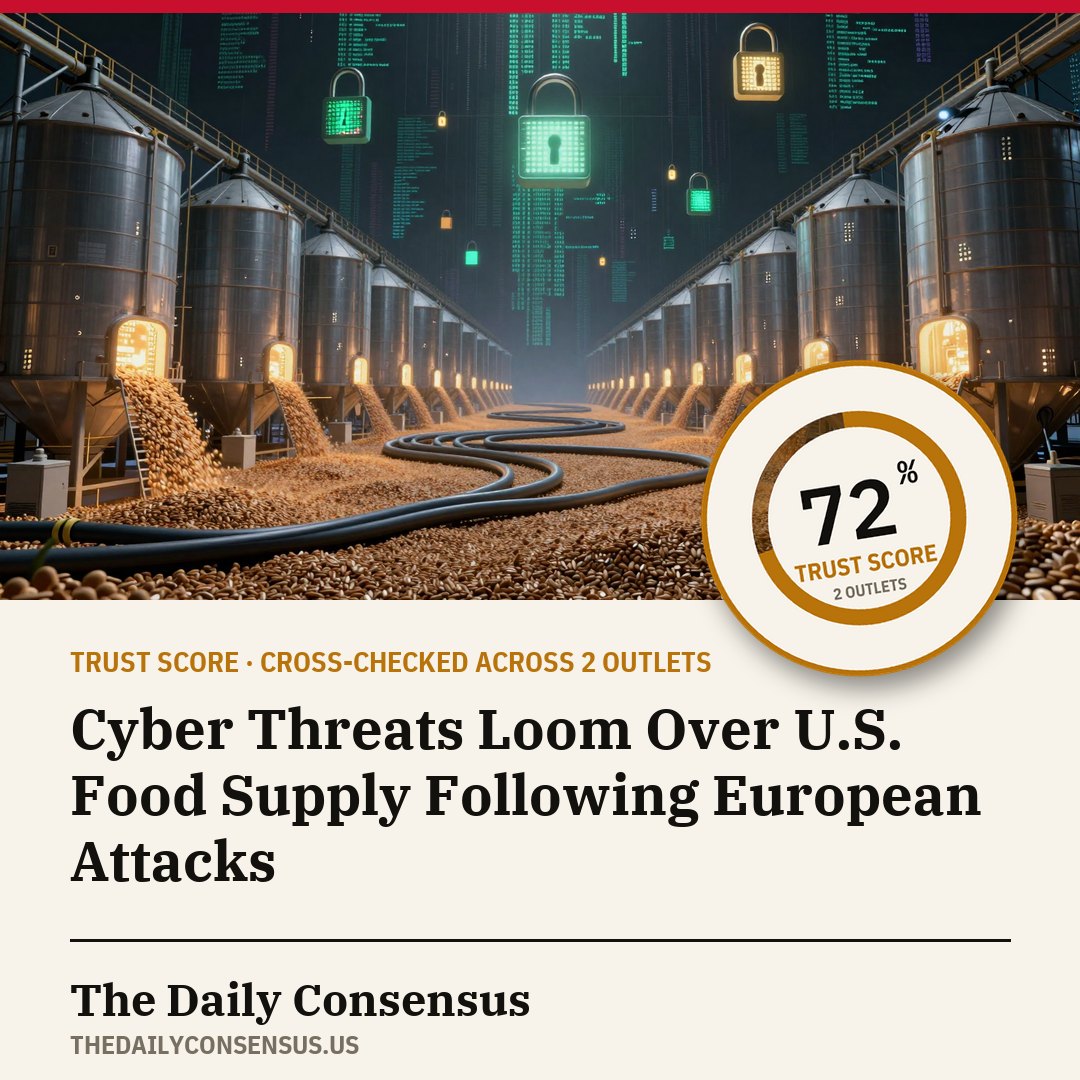
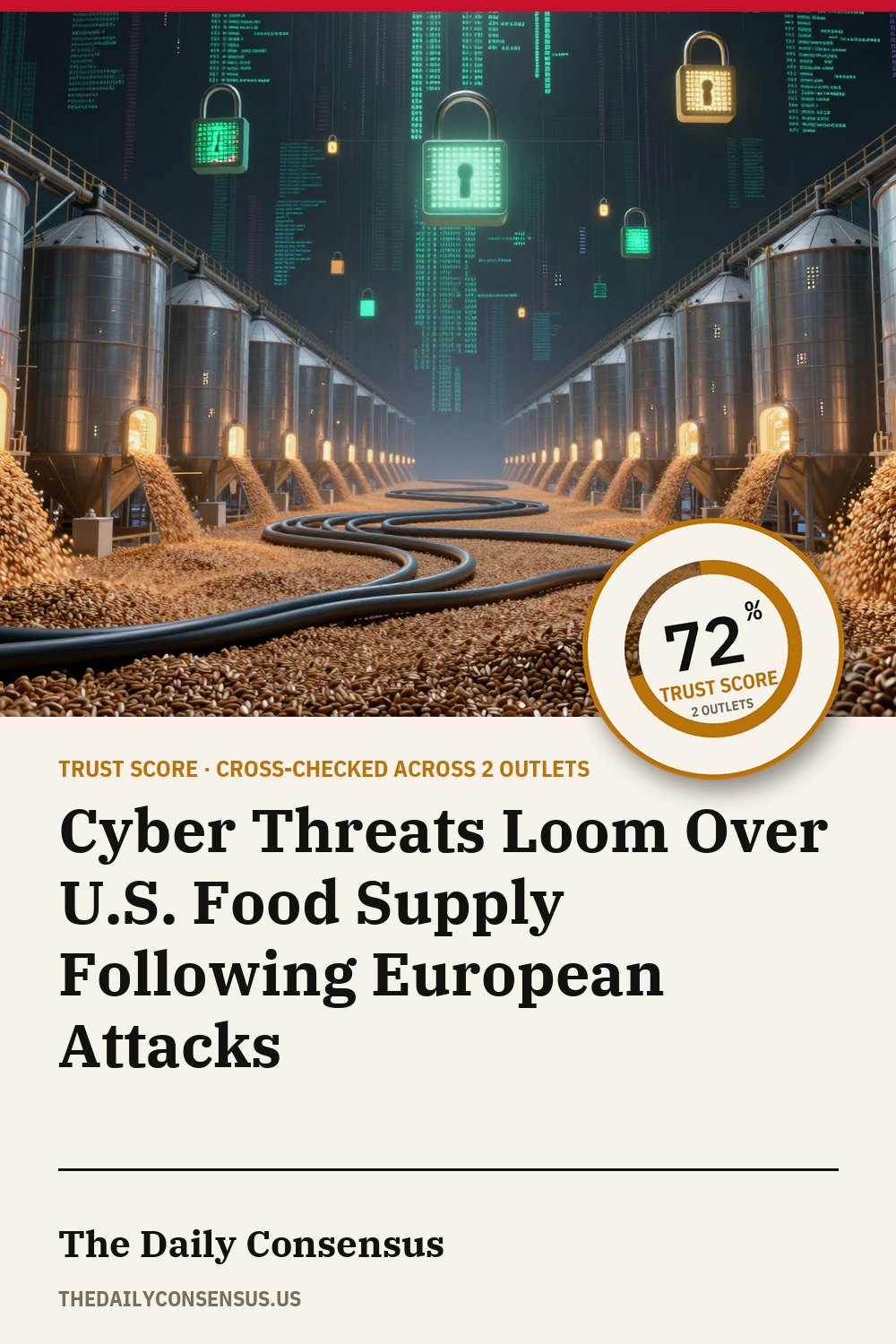
European grocery stores have faced cyberattacks, raising concerns over potential threats to the United States' food supply.
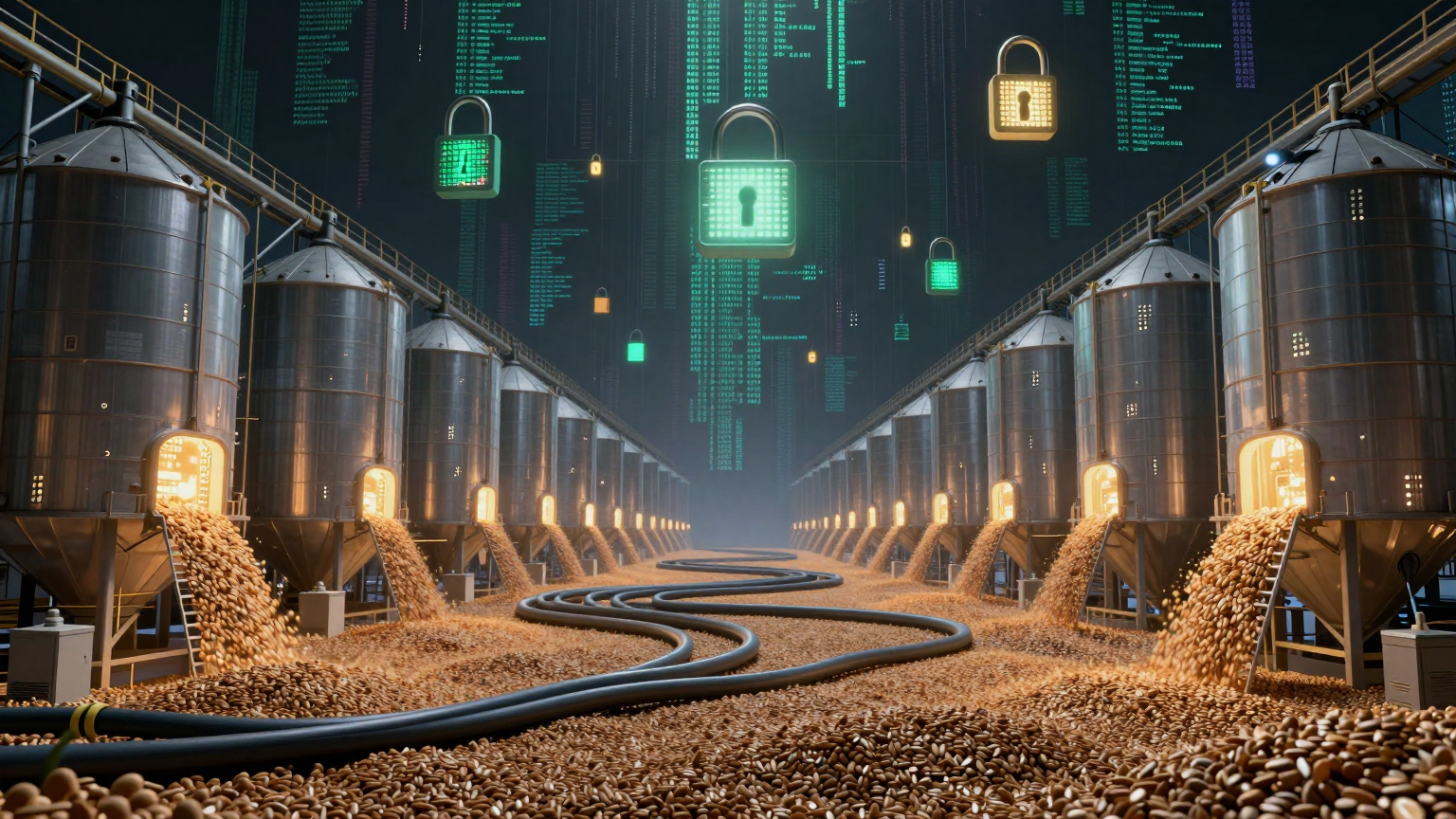
A series of cyberattacks on grocery stores in Europe has sparked alarm among U.S. officials, who warn of possible dangers to the American food supply chain. According to reports, these attacks highlight the vulnerability of industrial refrigeration and cold-chain monitoring systems, which are crucial for preserving food safety and freshness.
The U.S. government issued a warning to businesses, advising them to be vigilant about potential assaults on their refrigeration systems. This comes after Brett Leatherman, the head of the FBI’s Cyber Division, issued an advisory on Thursday, emphasizing the need for heightened awareness and preparedness. The attacks in Europe reportedly involved hackers gaining access to control systems through unpatched, internet-reachable, or default password-protected systems, leading experts to recommend isolating operational technology and ensuring robust credential security.
Nicole Parker, a former FBI special agent, characterized the European cyberattacks as 'asymmetrical warfare,' underscoring their strategic significance. She noted that citizens should prepare by stocking up on essential items such as food, water, and medications. The timing of these events is notable, with October being dubbed 'Black October' due to multiple software vulnerabilities and cyber incidents.
In addition to the European incidents, at least six American military bases experienced freezer malfunctions in late August, adding to the sense of urgency. Meanwhile, European supermarkets and French blood banks reported temperature increases in their cold equipment, though no significant loss of blood products occurred thanks to swift action by the French Blood Establishment.
The European attacks came in two waves, one in mid-October and another more recent. Despite the severity of the situation, Romanian cybersecurity officials described the threat as 'semi-amateurish' and ruled out involvement from state actors. This assessment provides some reassurance, but does not diminish the overall concern for the safety and stability of the global food supply.
What we know
- - Cyberattacks occurred on grocery stores in Europe. 12
- - U.S. government warned businesses about potential attacks on industrial refrigeration and cold-chain monitoring systems. 1
- - There is concern that European cyberattacks could pose a threat to the United States' food supply. 2
- - Brett Leatherman, head of FBI Cyber Division, gave an advisory warning on Thursday. 1
- - Attackers accessed controllers via unpatched, internet-reachable, or default password-protected systems. 1
- - Experts advise eliminating public internet exposure, isolating operational technology, and enforcing credential security. 1
- - Nicole Parker, former FBI special agent, described the cyberattacks as 'asymmetrical warfare'. 1
- - Citizens are advised to stockpile food, water, and medications. 1
- - October was referred to as 'Black October' due to numerous software vulnerabilities and cyber incidents. 1
- - At least six American military bases experienced freezer malfunctions in late August. 1
- - European supermarkets and French blood banks reported temperature increases in cold equipment. 1
- - Losses from the European attacks could amount to tens of millions of euros. 1
- - French Blood Establishment did not lose any blood products due to quick transportation to other facilities. 1
- - The European attacks happened in two waves, one in mid-October and another recently. 1
- - Romanian cybersecurity official described the threat as 'semi-amateurish' and ruled out state actors. 1
Powered by Quantum Forge Robotics with Jessi AI Intelligence
Trust Score report
- likely
Cyberattacks occurred on grocery stores in Europe.
85% · supported by 2 - likely
U.S. government warned businesses about potential attacks on industrial refrigeration and cold-chain monitoring systems.
71% · supported by 1 - likely
There is concern that these European cyberattacks could pose a threat to the United States' food supply.
70% · supported by 1 - likely
Brett Leatherman, head of FBI Cyber Division, gave an advisory warning on Thursday.
71% · supported by 1 - likely
Attackers accessed controllers via unpatched, internet-reachable, or default password-protected systems.
71% · supported by 1 - likely
Experts advise eliminating public internet exposure, isolating operational technology, and enforcing credential security.
71% · supported by 1 - likely
Nicole Parker, former FBI special agent, described the cyberattacks as 'asymmetrical warfare'.
71% · supported by 1 - likely
Citizens are advised to stockpile food, water, and medications.
71% · supported by 1 - likely
October was referred to as 'Black October' due to numerous software vulnerabilities and cyber incidents.
71% · supported by 1 - likely
At least six American military bases experienced freezer malfunctions in late August.
71% · supported by 1 - likely
European supermarkets and French blood banks reported temperature increases in cold equipment.
71% · supported by 1 - likely
Losses from the European attacks could amount to tens of millions of euros.
71% · supported by 1 - likely
French Blood Establishment did not lose any blood products due to quick transportation to other facilities.
71% · supported by 1 - likely
The European attacks happened in two waves, one in mid-October and another recently.
71% · supported by 1 - likely
Romanian cybersecurity official described the threat as 'semi-amateurish' and ruled out state actors.
71% · supported by 1
Sources & references
- FOX 8 News (Ohio) — Are hackers targeting America's food supply?
- The Hill Home — Are hackers targeting America's food supply?