Comey's Lawyers Seek Dismissal of Third Criminal Case
James Comey's legal team requests a federal judge to halt the US justice department's pursuit of a third criminal case against him.
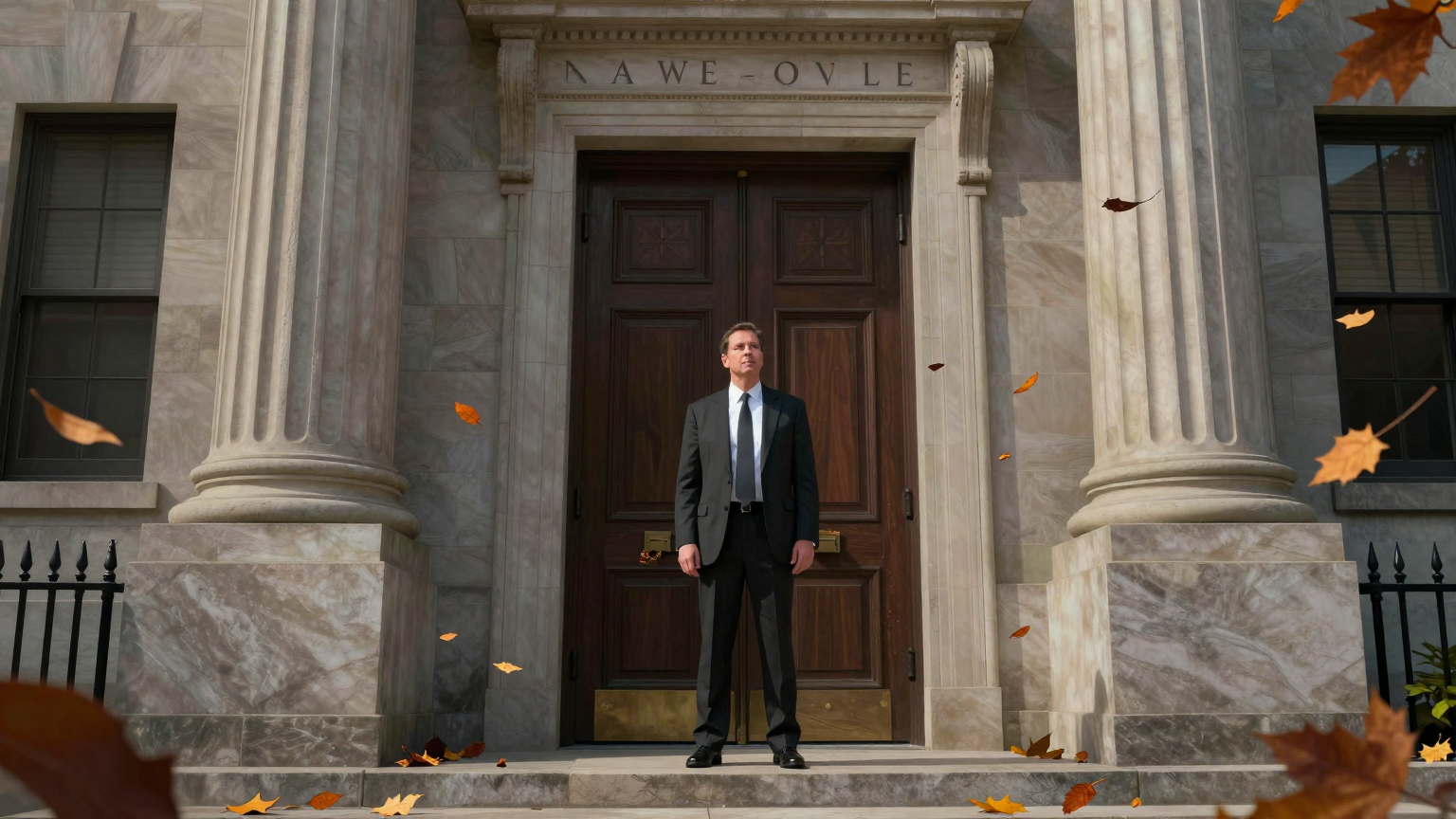
James Comey's lawyers are set to ask a federal judge to stop the US justice department from pressing forward with its third criminal case against the former FBI director. The case centers around a decade-old news media leak, specifically a 2016 New York Times story about a secret court order requiring Yahoo to scan emails. According to reports, the latest case aims to charge Comey for a third time under the Espionage Act, despite previous investigations into the same matter closing without charges being filed.
The case was filed using a 'criminal information' document, which bypasses the need for a grand jury, and is scheduled to be heard by Judge Trevor McFadden, who was appointed by President Trump. This development comes after two previous attempts by the Justice Department to charge Comey, one in September 2025 and another earlier in 2026, both of which were unsuccessful. The legal team representing Comey asserts that the statute of limitations has expired, while the Justice Department maintains that it has not.
Comey, who served as FBI director during Trump's first term and was involved in the investigation of possible collusion between Trump's campaign and Russia, considers himself innocent of all allegations. He will appear in a federal courtroom on Friday to argue his case. The legal battle surrounding Comey highlights the ongoing scrutiny faced by high-profile figures in American politics and the complex interplay between law enforcement and political influence.
What we know
- - James Comey's lawyers will request a federal judge to stop the US justice department from pursuing its third criminal case against him. 12
- - The third criminal case against Comey involves allegations of a decade-old news media leak. 12
- - The latest case concerns a 2016 New York Times story about a secret court order requiring Yahoo to scan emails. 1
- - Prosecutors aim to charge Comey for a third time under the Espionage Act. 3
- - The alleged leak occurred on October 5, 2016, related to a New York Times article. 3
- - The case was filed using a 'criminal information' document, bypassing the need for a grand jury. 12
- - Judge Trevor McFadden, appointed by Trump, will hear arguments on the validity of the case on Friday. 12
- - Comey was the FBI director during Trump's first term and was involved in the investigation of possible collusion between Trump's campaign and Russia. 1
- - The first criminal case against Comey, involving alleged lying to Congress, was dismissed due to the illegal appointment of the prosecutor. 1
- - Another case against Comey involves an Instagram post seen as a threat to Trump. 12
- - John Durham recommended no criminal charges be filed regarding the 2016 New York Times story in 2018. 1
- - A second investigation of the same matter, named Tropical Vortex, was closed without charges being filed in early 2020. 1
- - Comey was dismissed as FBI Director by Trump in May 2017. 2
- - Comey considers himself innocent of all allegations. 2
- - James Comey will appear in a federal courtroom on Friday. 3
- - Federal prosecutors used a criminal information instead of a grand jury indictment. 3
- - Comey's legal team asserts the statute of limitations has expired. 3
- - Justice Department argues the statute of limitations has not expired. 3
- - This is the third attempt by the Justice Department to charge Comey in over a year. 3
- - Previous attempts included one in September 2025 and another earlier in 2026. 3


Powered by Quantum Forge Robotics with Jessi AI Intelligence
Verification report
- likely
James Comey's lawyers will request a federal judge to stop the US justice department from pursuing its third criminal case against him.
71% · supported by 2 - likely
The third criminal case against Comey involves allegations of a decade-old news media leak.
71% · supported by 2 - likely
The latest case concerns a 2016 New York Times story about a secret court order requiring Yahoo to scan emails.
71% · supported by 1 - likely
Prosecutors aim to charge Comey for a third time under the Espionage Act.
71% · supported by 1 - likely
The alleged leak occurred on October 5, 2016, related to a New York Times article.
71% · supported by 1 - likely
The case was filed using a 'criminal information' document, bypassing the need for a grand jury.
71% · supported by 2 - likely
Judge Trevor McFadden, appointed by Trump, will hear arguments on the validity of the case on Friday.
71% · supported by 2 - likely
Comey was the FBI director during Trump's first term and was involved in the investigation of possible collusion between Trump's campaign and Russia.
71% · supported by 1 - likely
The first criminal case against Comey, involving alleged lying to Congress, was dismissed due to the illegal appointment of the prosecutor.
71% · supported by 1 - likely
Another case against Comey involves an Instagram post seen as a threat to Trump.
71% · supported by 2 - likely
John Durham recommended no criminal charges be filed regarding the 2016 New York Times story in 2018.
71% · supported by 1 - likely
A second investigation of the same matter, named Tropical Vortex, was closed without charges being filed in early 2020.
71% · supported by 1 - likely
Comey was dismissed as FBI Director by Trump in May 2017.
71% · supported by 1 - likely
Comey considers himself innocent of all allegations.
71% · supported by 1 - likely
James Comey will appear in a federal courtroom on Friday.
71% · supported by 1 - likely
Federal prosecutors used a criminal information instead of a grand jury indictment.
71% · supported by 1 - likely
Comey's legal team asserts the statute of limitations has expired.
71% · supported by 1 - likely
Justice Department argues the statute of limitations has not expired.
71% · supported by 1 - likely
This is the third attempt by the Justice Department to charge Comey in over a year.
71% · supported by 1 - likely
Previous attempts included one in September 2025 and another earlier in 2026.
71% · supported by 1