Columbus Implements New Safety Rules After Child Drownings
Three child deaths in retention ponds this year have prompted Columbus to adopt stricter safety measures.
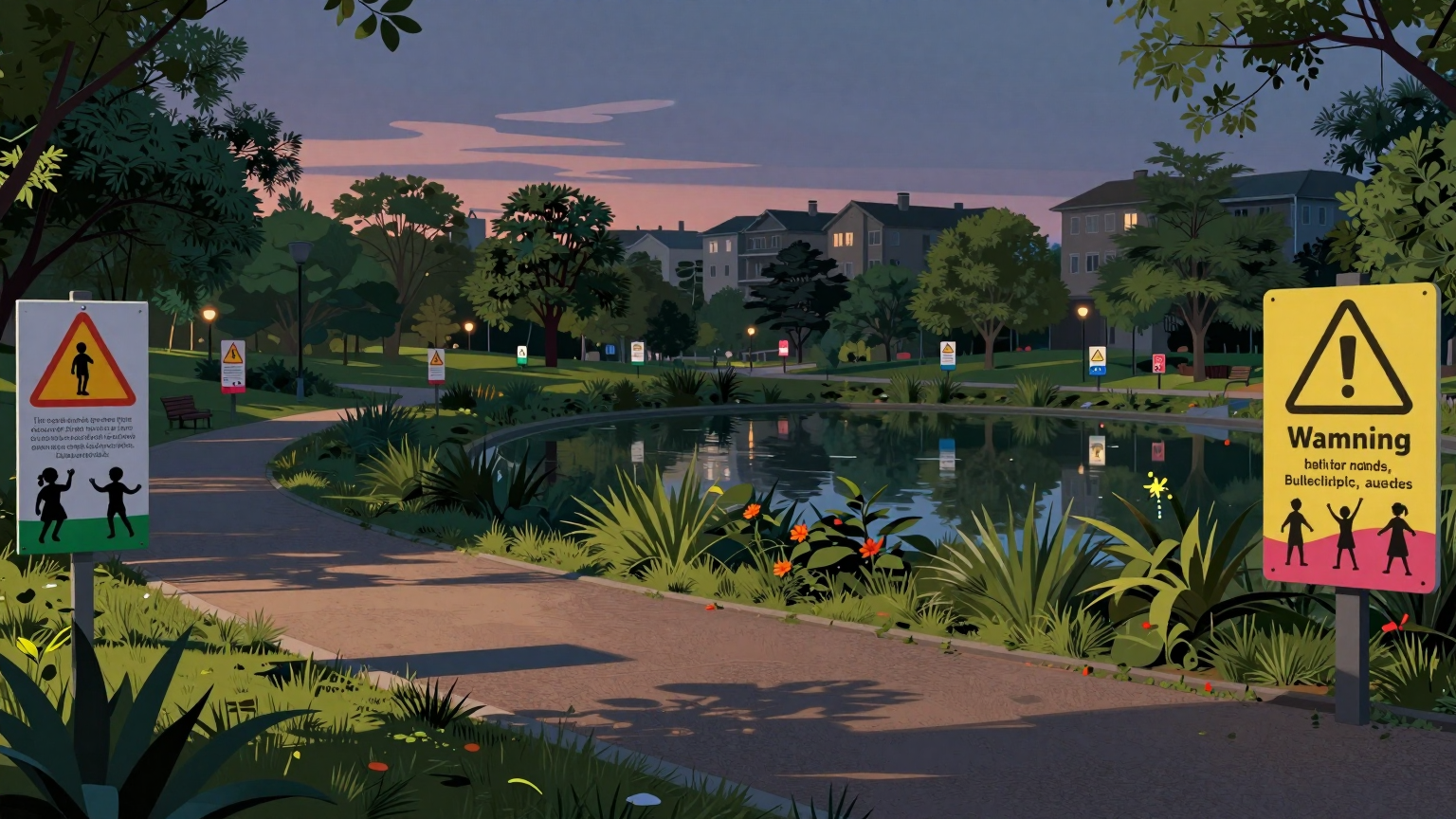
Three tragic drownings of young children in retention ponds near apartment complexes have spurred Columbus to implement new safety regulations. The latest victims were Georgina Villar, a 2-year-old who died on July 29, and Beeny Mbo, another 2-year-old, found deceased on September 27. These incidents, along with seven others since 2019, have highlighted the need for improved safeguards in the city's retention ponds.
In response, Columbus City Council has approved a series of measures designed to enhance safety around these water features. Among the new rules is a requirement for a 15-foot no-mow buffer zone surrounding the ponds, which aims to provide a natural barrier between children and the water. Additionally, safety notifications must now be distributed to tenants both in writing and displayed in common areas, ensuring residents are aware of potential hazards.
The city has already taken steps to identify, map, and inspect over 100 retention ponds at apartment complexes. Despite these efforts, no retention pond has yet been declared a public nuisance under the recently enacted 2024 legislation. This suggests that while progress has been made, there is still room for improvement in protecting these areas.
Looking ahead, Council President Pro Tem Rob Dorans intends to propose legislation for more permanent barriers around retention ponds before the end of the year. This initiative aligns with the broader goal of enhancing safety and preventing future accidents. Retention ponds play a vital role in managing stormwater, collecting it and releasing it into the drainage system at a controlled pace.
These recent developments reflect Columbus's dedication to safeguarding its community, especially its youngest members, from preventable accidents. As the city continues to refine its approach to retention pond safety, the hope is that such tragic events will become a thing of the past.
What we know
- - Columbus City Council approved new safety requirements for apartment complex retention ponds. 12
- - Georgina Villar, a 2-year-old, died in a pond near her family's apartment complex on July 29. 12
- - Beeny Mbo, a 2-year-old, was found dead in a retention pond near Polaris Place Apartments on September 27. 12
- - New rules include a 15-foot no-mow buffer around the water. 12
- - Ten children have drowned in Columbus retention ponds since 2019. 12
- - Columbus adopted its first round of retention pond regulations in 2024. 1
- - Over 100 retention ponds at apartment complexes have been identified, mapped, and inspected. 12
- - Safety notices must be delivered to tenants in writing and posted in common areas. 1
- - If a pond is declared a public nuisance, the notice must explain the city's reasoning. 1
- - The no-mow zone is intended to create a natural barrier between children and the water. 12
- - Columbus aims to introduce legislation for more permanent barriers around retention ponds before the end of the year. 1
- - No retention pond has been declared a public nuisance since the 2024 legislation. 2
- - Council President Pro Tem Rob Dorans plans to introduce legislation for more permanent barriers around retention ponds by the end of the year. 2
- - Retention ponds are designed to collect stormwater and release it into the drainage system at a controlled rate. 12



Powered by Quantum Forge Robotics with Jessi AI Intelligence
Trust Score report
- likely
Columbus City Council approved new safety requirements for apartment complex retention ponds.
70% · supported by 2 - likely
Georgina Villar, a 2-year-old, died in a pond near her family's apartment complex on July 29.
70% · supported by 2 - likely
Beeny Mbo, a 2-year-old, was found dead in a retention pond near Polaris Place Apartments on September 27.
70% · supported by 2 - unverified
Three children died in Columbus retention ponds this year.
50% · supported by 2, contradicted by 1 - likely
The new rules include a 15-foot no-mow buffer around the water.
70% · supported by 2 - likely
Since 2019, ten children have drowned in Columbus retention ponds.
70% · supported by 2 - likely
In 2024, Columbus adopted its first round of retention pond regulations.
70% · supported by 1 - likely
The city has identified, mapped, and inspected over 100 retention ponds at apartment complexes.
70% · supported by 2 - likely
The new ordinance requires safety notices to be delivered to tenants in writing and posted in common areas.
70% · supported by 1 - likely
If the city declares a pond a public nuisance, the notice must explain the city's reasoning.
70% · supported by 1 - likely
The no-mow zone is intended to create a natural barrier between children and the water.
70% · supported by 2 - likely
Columbus aims to introduce legislation for more permanent barriers around retention ponds before the end of the year.
70% · supported by 1 - likely
Columbus Building and Zoning Services has not declared any retention pond a public nuisance since the 2024 legislation.
70% · supported by 1 - likely
Council President Pro Tem Rob Dorans plans to introduce legislation for more permanent barriers around retention ponds by the end of the year.
70% · supported by 1 - likely
Retention ponds are designed to collect stormwater and release it into the drainage system at a controlled rate.
70% · supported by 2
Sources & references
- WSYX (Columbus) — 3 child deaths this year spark new retention pond safety rules in Columbus
- myfox28columbus.com (Franklin County) — 3 child deaths this year spark new retention pond safety rules in Columbus
- NBC4 WCMH-TV (Columbus) — Following drownings, Columbus strengthens retention pond safety measures