Bangladesh Garment Factories Shut Down Amid Wage Protests
Hundreds of garment factories in Bangladesh closed as workers protested for higher wages, leading to clashes with police.
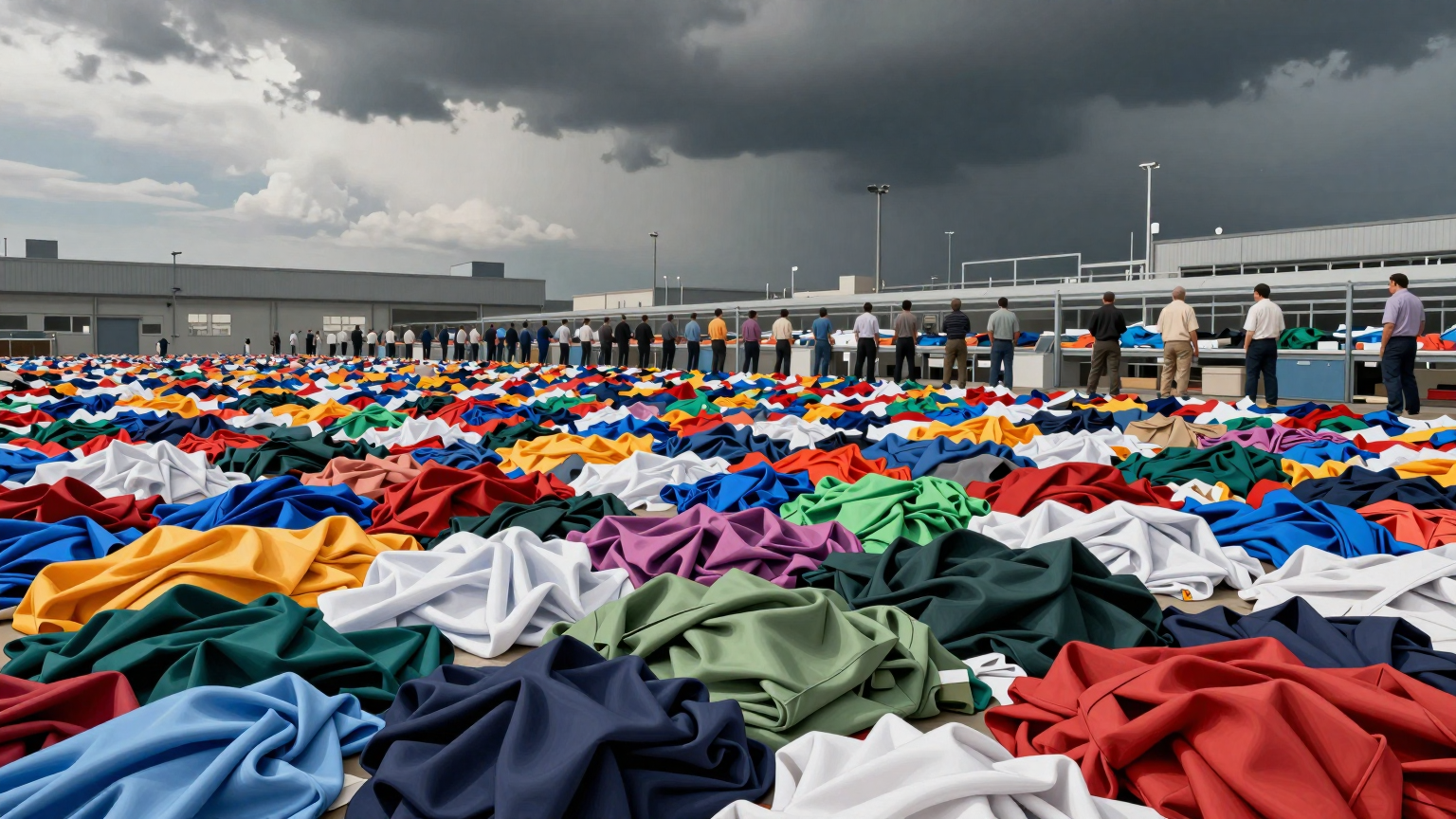
Hundreds of garment factories in Bangladesh shut down as workers took to the streets demanding a minimum monthly wage of 30,000 taka, significantly higher than their current earnings 13. The protests, which reportedly turned violent in some areas, saw road blockages, vandalism, and confrontations with law enforcement 1.
The garment industry, a cornerstone of Bangladesh's economy, generates approximately $40 billion annually through exports and provides employment to around 4 million people, predominantly women from rural regions 23. This sector is crucial not only for the country’s economic growth but also for the livelihoods of millions of families.
In response to the wage demands, a new wage board was established by the government to address the issue 23. However, the current minimum wage, reported to be around 13,000 taka per month, is disputed, with some sources suggesting a different figure 1 23.
Protesters, including Laili Begum, a 37-year-old garment worker earning around 15,000 taka ($121) per month, expressed frustration over their financial situation. Begum mentioned that her children had dropped out of school due to the inability to afford their education 3. The high cost of living, with rent for a single room in Dhaka being 3,500 taka ($28), further exacerbates the financial strain on workers 3.
To manage the unrest, over 10,000 police officers were deployed in Dhaka's Mirpur area to maintain order 2. Additionally, around 100 factories in Ashulia remained closed, indicating the widespread impact of the wage dispute 2.
The last minimum wage revision for the garment sector took place in December 2023, and annual inflation in Bangladesh was recorded at 8.34% in September, adding urgency to the workers' demands for better compensation 3.
What we know
- Workers demand a minimum monthly wage of 30,000 taka 123
- Hundreds of garment factories in Bangladesh closed due to wage protests 12
- The garment industry earns approximately $40 billion annually from exports 23
- The garment industry employs roughly 4 million people, primarily women from rural areas 23
- A new wage board was formed by the government to address the wage demands 23
- Protests in Dhaka turned violent with road blockages, vandalism, and clashes with police 1
- There are around 2,500 garment factories in Bangladesh 2
- Violence occurred in several industrial areas outside Dhaka during the protests 2
- Around 100 factories in Ashulia remained closed 2
- Over 10,000 police officers were deployed in Dhaka's Mirpur area to maintain order 2
- Laili Begum, a 37-year-old garment worker, earns around 15,000 taka ($121) per month 3
- Laili Begum's children have dropped out of school due to inability to afford their education 3
- Rent for a single room in Dhaka is 3,500 taka ($28) 3
- Annual inflation in Bangladesh was recorded at 8.34% in September 3
- The last minimum wage revision for the garment sector occurred in December 2023 3
What remains unclear
Powered by Quantum Forge Robotics with Jessi AI Intelligence
Trust Score report
- confirmed
Workers demand a minimum monthly wage of 30,000 taka.
94% · supported by 3 - confirmed
Hundreds of garment factories in Bangladesh closed due to wage protests.
87% · supported by 2 - confirmed
The garment industry in Bangladesh earns approximately $40 billion annually from exports.
85% · supported by 2 - confirmed
The garment industry employs roughly 4 million people, primarily women from rural areas.
85% · supported by 2 - confirmed
A new wage board was formed by the government to address the wage demands.
85% · supported by 2 - likely
Protests in Dhaka turned violent with road blockages, vandalism, and clashes with police.
73% · supported by 1 - likely
There are around 2,500 garment factories in Bangladesh.
71% · supported by 1 - likely
Violence occurred in several industrial areas outside Dhaka during the protests.
71% · supported by 1 - likely
Around 100 factories in Ashulia remained closed.
71% · supported by 1 - likely
Over 10,000 police officers were deployed in Dhaka's Mirpur area to maintain order.
71% · supported by 1 - likely
Laili Begum, a 37-year-old garment worker, earns around 15,000 taka ($121) per month.
71% · supported by 1 - likely
Laili Begum's children have dropped out of school due to inability to afford their education.
71% · supported by 1 - likely
Rent for a single room in Dhaka is 3,500 taka ($28).
71% · supported by 1 - likely
Annual inflation in Bangladesh was recorded at 8.34% in September.
71% · supported by 1 - likely
The last minimum wage revision for the garment sector occurred in December 2023.
71% · supported by 1 - disputed
Current minimum wage is around 13,000 taka per month.
32% · supported by 1, contradicted by 2 - disputed
Around 670 factories suspended operations on Monday.
32% · supported by 1, contradicted by 2