Arkansas Elects New Senator Amid Data Center Controversies
The state's 2026 Senate election saw incumbent Republican Tom Cotton face challenges from Democratic hopeful Hallie Shoffner and independent candidate Debra Hobbs, all while local communities grappled with data center developments.
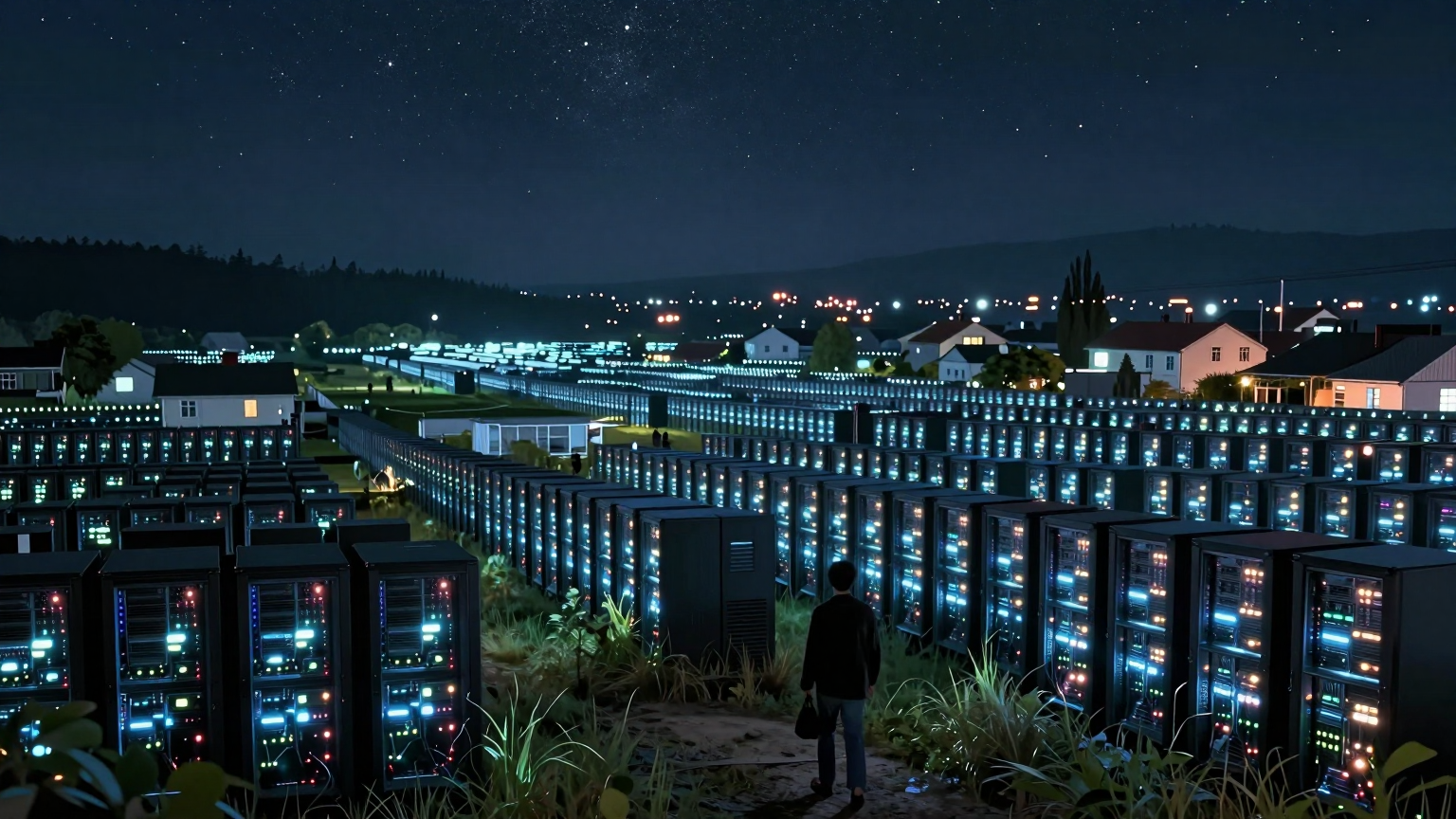
Arkansas held its elections in 2026, marking a significant moment in the state’s political landscape with races for U.S. Senate, U.S. House, and governor taking place on Tuesday 12. Among these, the Senate race garnered particular attention, as voters decided who would represent Arkansas in the U.S. Senate for the next six years 2.
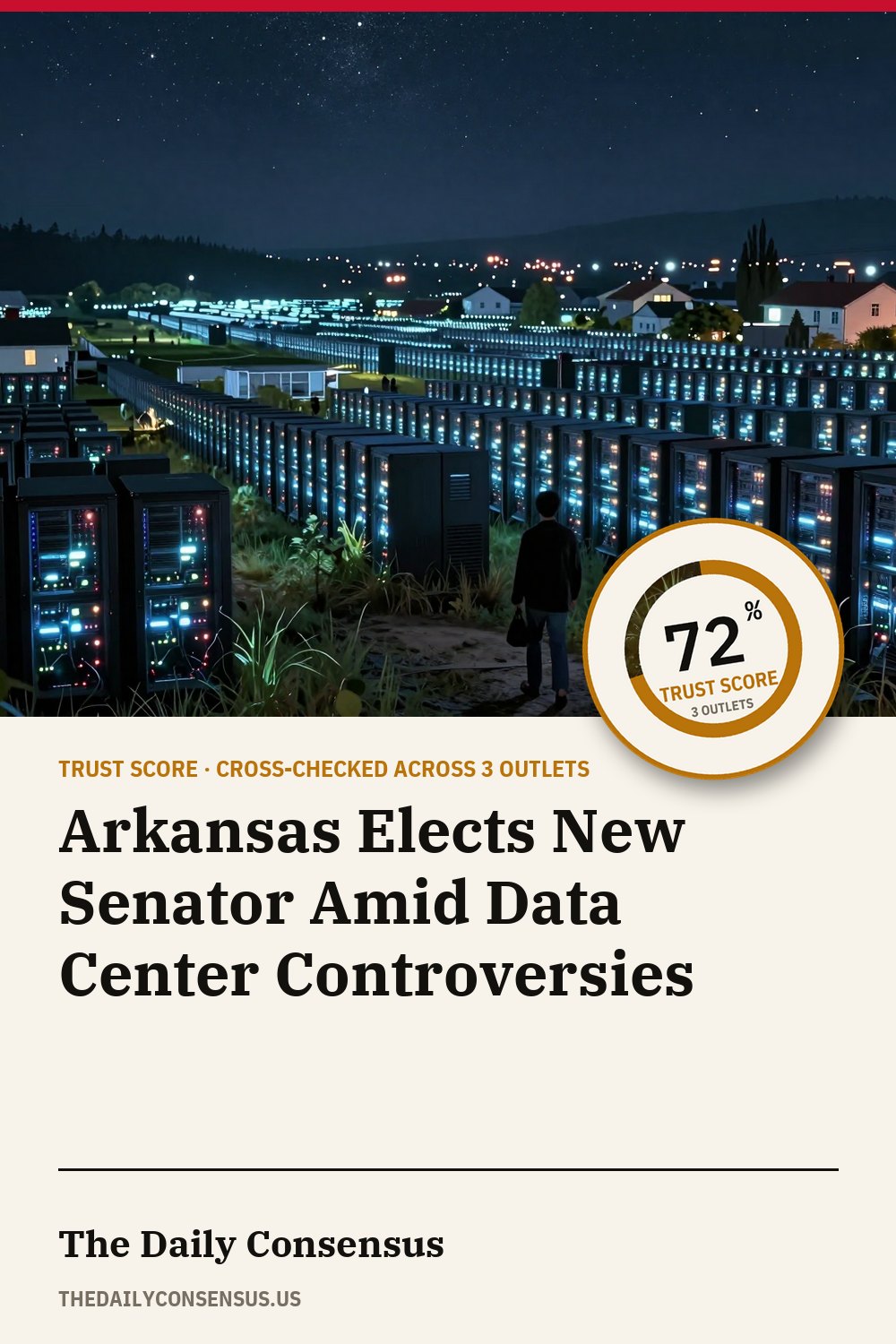
Incumbent Senator Tom Cotton, a Republican, sought re-election, facing off against Democratic challenger Hallie Shoffner 2. The race was notable not just for its political stakes but also for the influence of local issues, particularly those surrounding data centers. These large-scale facilities, crucial for tech companies developing AI models and products, have become a focal point of concern for many Arkansans 3.
Polling indicates that more than half of Arkansans are strongly opposed to data centers being built in their communities, citing worries about energy and water usage, as well as skepticism regarding the promised economic benefits 3. This sentiment has influenced local races for state legislature and mayoral positions, though it did not significantly impact the statewide or federal races such as the Senate contest 3.
Former Republican Representative Debra Hobbs, running as an independent, joined the fray with a strong stance against data centers and the tax incentives offered to attract them 3. Meanwhile, Democratic nominee for Pulaski County's top executive office, Wendell Griffen, had previously spearheaded land-use regulations for data centers, further intertwining the issue with the broader political narrative 3.
Despite these local concerns, Arkansas is generally seen as a Republican-leaning state, having elected two Republican senators since Tom Cotton’s initial victory 2. The outcome of the Senate race will be closely watched, reflecting both the national political climate and the specific interests of Arkansan voters.
What we know
- - Arkansas held elections in 2026 12
- - The election included races for U.S. Senate, U.S. House, and governor 1
- - Voters participated in a Senate election on Tuesday 2
- - The election determined the next six-year U.S. Senate representative for Arkansas 2
- - Incumbent Senator Tom Cotton, a Republican, ran for re-election 2
- - Data center issues influenced local races but not significantly statewide or federal ones 3
- - More than half of Arkansans oppose data centers in their communities 3
- - Hallie Shoffner and Debra Hobbs were challengers to Tom Cotton 3
- - Arkansas is considered a traditionally Republican-leaning state 2
- - Two Republican senators have represented Arkansas since Tom Cotton’s initial win 2
- - Data center construction is driven by tech companies’ need for AI development 3
- - Local concerns include energy and water use, and skepticism about job creation and tax revenue 3

Powered by Quantum Forge Robotics with Jessi AI Intelligence
Trust Score report
- confirmed
Arkansas held elections in 2026.
86% · supported by 2 - likely
The election results included races for U.S. Senate, U.S. House, and governor of Arkansas.
72% · supported by 1 - likely
Voters in Arkansas participated in a Senate election on Tuesday.
71% · supported by 1 - likely
The election was to decide who would represent Arkansas in the U.S. Senate for the next six years.
71% · supported by 1 - likely
Incumbent Senator Tom Cotton, a Republican, was running for re-election.
71% · supported by 1 - likely
Concern over data centers has led to local communities in Arkansas taking action to block construction or impose new restrictions.
71% · supported by 1 - likely
Polling shows more than half of Arkansans are strongly opposed to a data center being built in their community.
71% · supported by 1 - likely
Data center issues have influenced local races for state legislature and mayoral positions.
71% · supported by 1 - likely
Democratic challenger Hallie Shoffner made data centers an issue in her campaign against Republican U.S. Sen. Tom Cotton.
71% · supported by 1 - likely
Former Republican Rep. Debra Hobbs, running as an independent, opposes data centers and tax incentives for them.
71% · supported by 1 - likely
Wendell Griffen, Democratic nominee for Pulaski County's top executive office, spearheaded land-use regulations for data centers.
71% · supported by 1 - likely
Data center issues have not significantly impacted statewide or federal races in Arkansas.
71% · supported by 1 - likely
Arkansas is considered a traditionally Republican-leaning state.
71% · supported by 1 - likely
Arkansas has had two Republican senators since Tom Cotton's initial victory.
71% · supported by 1 - likely
Data center construction is driven by tech companies' race to develop AI models and products.
71% · supported by 1 - likely
Local worries include concerns about energy and water use, and skepticism about promised job creation and tax revenue.
71% · supported by 1
Sources & references
- NPR Politics — Here are Arkansas' 2026 election results
- The Hill Senate — Arkansas live results: 2026 Senate election
- Route Fifty — Data center backlash playing out in Arkansas’ local races, not statewide or federal campaigns