Warner Lashes Out at Australia's Performance Following Series Loss to South Africa
The Australian batsman criticised his team's display as 'terrible' and 'un-Australian' after South Africa secured a 2-1 series win.
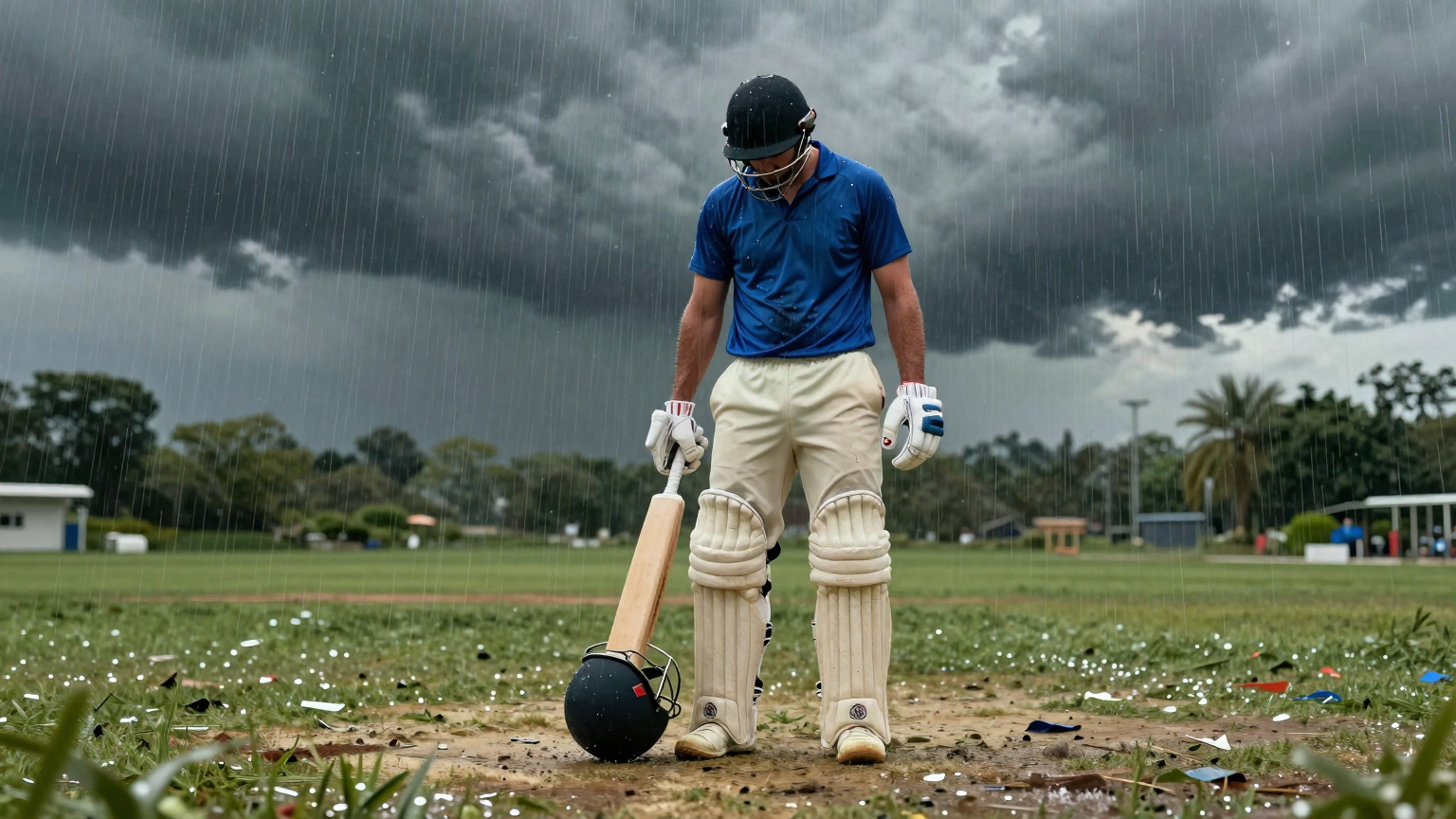
Lashing Out
David Warner, the Australian batsman, unleashed a scathing critique on his national team's performance following their series loss to South Africa. Describing it as 'terrible', 'disgraceful', and 'un-Australian', Warner's comments highlight the disappointment felt by many within the cricketing community over Australia's recent form.
A Tough Series
The Third Test, held in Cape Town, saw South Africa clinch a decisive victory by 176 runs, sealing their 2-1 series triumph over Australia. This result was particularly notable given the strong showing from South African bowler Simon Harmer, who took 6 wickets for just 16 runs, a stellar performance that contributed significantly to his team's success.
Key Moments
Australia's struggles were evident throughout the match, with their second innings score of 111 runs indicating a significant batting collapse. Notable dismissals included those of Matt Renshaw, Marnus Labuschagne, and Travis Head early in the game, setting a challenging tone for the rest of the match. Despite these setbacks, Nathan Lyon managed to shine, scoring 33 runs and becoming Australia's top scorer in the match.
South Africa also had standout performances, with Kagiso Rabada taking 3 wickets for 39 runs, although this is reported rather than confirmed. Other key moments included Josh Inglis being run out for four runs due to an error by Cameron Green, and Alex Carey being caught reverse sweeping for just 2 runs. Additionally, Cooper Connolly was dismissed for a two-ball duck, further illustrating the difficulties faced by the Australian batting lineup.
Future Outlook
With South Africa regaining their position at the top of the world rankings, the team now looks ahead to a three-Test series against England next month. Meanwhile, Marco Jansen was named player of the series for his impressive contributions, including 198 runs and 13 wickets, solidifying his status as a crucial player for the South African team.
What We Know
- David Warner criticized Australia's performance as 'terrible', 'disgraceful', and 'un-Australian'. 12
- The Third Test between South Africa and Australia took place in Cape Town. 12
- South Africa won the Third Test by 176 runs. 12
- South Africa won the series against Australia 2-1. 12
- Simon Harmer took 6 wickets for 16 runs in the match. 12
- Australia scored 111 runs in their second innings. 12
- Matt Renshaw, Marnus Labuschagne, and Travis Head were among those dismissed early in the match. 2
- Nathan Lyon scored 33 runs and was Australia's top scorer in the match. 2
- Marco Jansen was named player of the series for his 198 runs and 13 wickets. 2
- South Africa will play against England in a three-Test series next month. 2
Verification report
Likely accurate — probability of truth 77%, weighted across 18 claims from 2 independent outlets.
- confirmed David Warner criticized Australia's performance as 'terrible', 'disgraceful', and 'un-Australian'. (87%)
- confirmed The Third Test between South Africa and Australia took place in Cape Town. (87%)
- confirmed South Africa won the Third Test by 176 runs. (87%)
- confirmed South Africa won the series against Australia 2-1. (87%)
- confirmed Simon Harmer took 6 wickets for 16 runs in the match. (87%)
- confirmed Australia scored 111 runs in their second innings. (87%)
- likely Kagiso Rabada took 3 wickets for 39 runs in the match. (73%)
- likely Josh Inglis was run out for four runs due to an error by Cameron Green. (73%)
- likely Alex Carey was caught reverse sweeping for 2 runs. (73%)
- likely Cooper Connolly was caught for a two-ball duck. (73%)
- likely South Africa regained their position at the top of the world rankings. (73%)
- likely Matt Renshaw, Marnus Labuschagne, and Travis Head were among those dismissed early in the match. (71%)
- likely Nathan Lyon scored 33 runs and was Australia's top scorer in the match. (71%)
- likely Marco Jansen was named player of the series for his 198 runs and 13 wickets. (71%)
- likely South Africa will play against England in a three-Test series next month. (71%)
- unverified Australia lost two wickets in the first over of the final day. (53%)
- unverified Australia's next matches include four Tests against New Zealand and a five-Test tour of India. (53%)
- unverified Australia will face New Zealand in a four-Test series starting in December. (47%)
Sources
- BBC Sport — 'Un-Australian' - Warner tears into former side after SA charge to win
https://www.bbc.co.uk/sport/cricket/articles/cmdx3p354v04o?at_medium=RSS&at_campaign=rss - Sky Sports — ‘Un-Australian’ - Warner tears into former side after South Africa seal series victory
https://www.skysports.com/cricket/news/12040/13606128/david-warner-brands-australia-un-australian-and-disgraceful-after-111-all-out-innings-hands-south-africa-series