US Conducts Limited Strikes on Qeshm Island Amid Optimism for Iran Deal
The United States carried out defensive airstrikes on Iran's Qeshm Island, described as limited in scope, while Vice President JD Vance expressed hope for a breakthrough in talks with Iran.
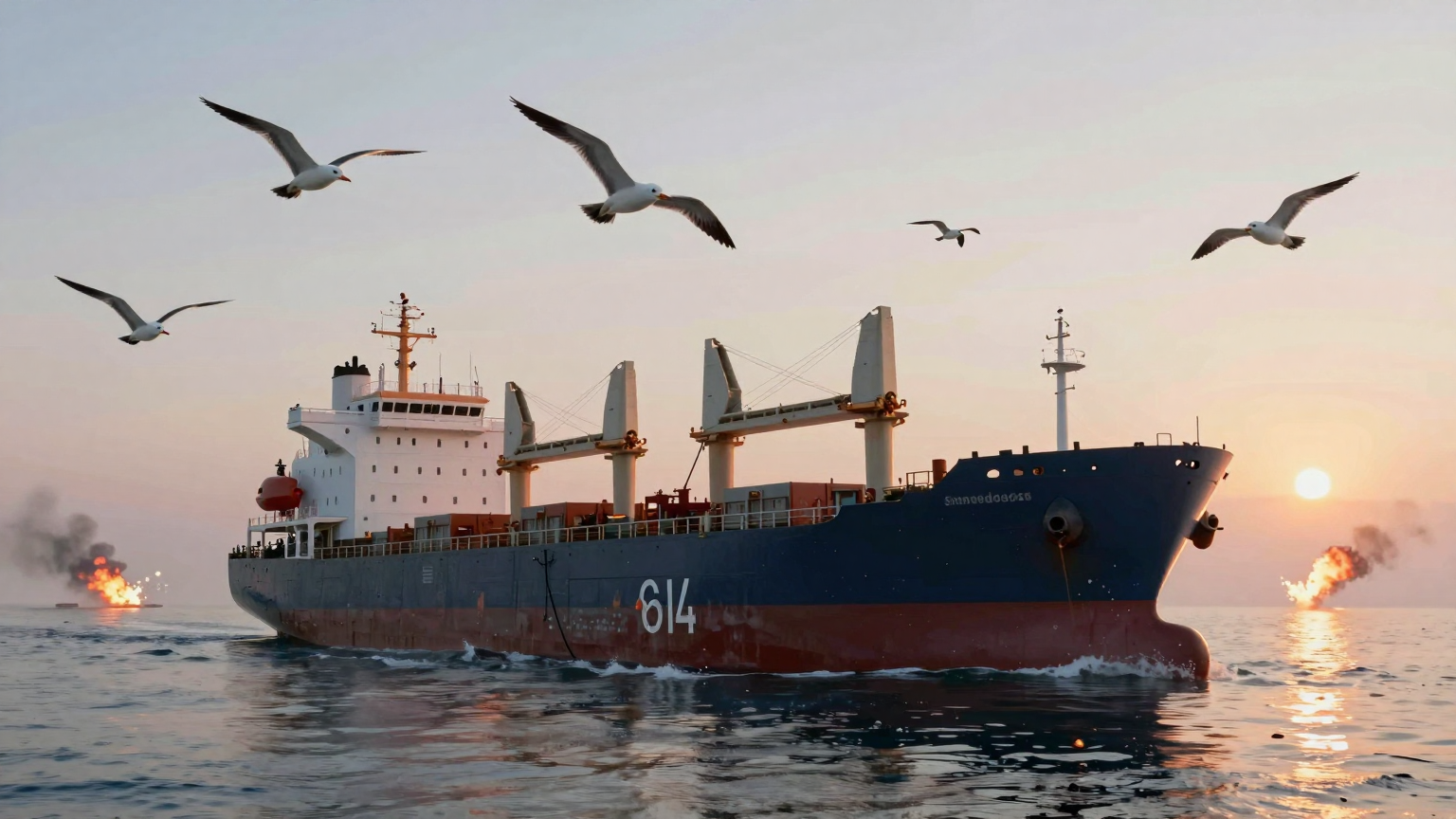
The United States has conducted defensive airstrikes on Iran's Qeshm Island, marking a significant military action in the region. According to reports, the strikes took place in the Strait of Hormuz area, a crucial maritime passage for global oil trade. This development comes amid rising tensions and ahead of the US midterm elections, where energy prices have been a key issue for voters.
The United States described the strikes as limited in scope, aiming to send a clear message without escalating into a broader conflict with Iran. This strategic approach reflects the current administration's desire to maintain stability in the Middle East while asserting its military capabilities. Iran, for its part, reported several explosions on Qeshm Island, though the exact nature and impact of these events remain under scrutiny.
Vice President JD Vance expressed optimism about reaching a deal with Iran, highlighting the potential for diplomatic progress despite recent military actions. The timing of these strikes, just before the midterm elections, underscores their significance in both geopolitical and domestic political contexts. The administration's decision to keep the strikes under wraps also indicates a cautious approach to managing public perception and international relations.
According to reports, the US strikes may have been in response to Iran's Revolutionary Guard Corps (IRGC) firing on a US aircraft. However, President Trump did not express immediate urgency for further escalation, instead mentioning potential future action against 'Pickaxe,' a site linked to Iran's nuclear program. This suggests a layered strategy, combining immediate military action with longer-term goals related to Iran's nuclear ambitions.
In parallel, Iran claimed to have shot down two RQ-170 reconnaissance drones earlier on the same day, adding another layer to the complex narrative of recent events. The impact of these actions on oil prices was notable, with a drop of over seven percent observed, reflecting market optimism about a potential resolution to the ongoing conflict.
What we know
- - The United States conducted strikes on Iran's Qeshm Island. 123456
- - The strikes occurred in the Strait of Hormuz area. 12356
- - The US strikes were described as limited in scope. 1236
- - Iran experienced several explosions on Qeshm Island. 1236
- - These events happened prior to the US midterm elections. 14
- - The U.S. did not publicize these strikes to avoid signaling a larger conflict with Iran. 25
- - Vice President JD Vance expressed optimism about reaching a deal with Iran. 35
- - The strikes were likely in response to Iran's IRGC firing on a US aircraft. 1
- - President Trump expressed no urgency to escalate further strikes on Iran. 1
- - Trump mentioned potential future action against 'Pickaxe', a site related to Iran's nuclear program. 1
- - Iran claimed to have shot down two RQ-170 reconnaissance drones earlier on the same day. 2
- - Rising petrol prices due to the war became a key issue in the midterm elections. 3
- - Oil prices dropped by more than seven percent due to optimism about potential resolution of the conflict. 6
Verification report
Likely accurate — probability of truth 85%, weighted across 13 claims from 6 independent outlets. Since the first report: 76% → 85%, outlets 3 → 6.
- confirmed The United States conducted strikes on Iran's Qeshm Island. (97%)
- confirmed The strikes occurred in the Strait of Hormuz area. (97%)
- confirmed The US strikes were described as limited in scope. (97%)
- confirmed Iran experienced several explosions on Qeshm Island as reported by Iranian state news. (97%)
- confirmed These events happened prior to the US midterm elections. (87%)
- confirmed The U.S. did not publicize these strikes to avoid signaling a larger conflict with Iran. (85%)
- confirmed Vice President JD Vance expressed optimism about reaching a deal with Iran. (85%)
- likely The strikes were in response to Iran's IRGC firing on a US aircraft. (73%)
- likely President Trump expressed no urgency to escalate further strikes on Iran. (73%)
- likely Trump mentioned potential future action against 'Pickaxe', a site related to Iran's nuclear program. (73%)
- likely Iran claimed to have shot down two RQ-170 reconnaissance drones earlier on the same day. (71%)
- likely Rising petrol prices due to the war became a key issue in the midterm elections. (71%)
- likely Oil prices dropped by more than seven percent due to optimism about potential resolution of the conflict. (71%)
Sources
- BBC News — US strikes Iran ahead of midterm elections
https://www.bbc.co.uk/news/articles/cx240mrm3g8vo?at_medium=RSS&at_campaign=rss - ABC News — US carries out defensive airstrikes on Iran's Qeshm Island: Officials
https://abcnews.com/International/us-carries-defensive-airstrikes-irans-qeshm-island-officials/story?id=137792518 - The Guardian US — US reportedly strikes Iran’s Qeshm Island as Vance voices optimism about a deal
https://www.theguardian.com/world/2026/nov/03/us-strikes-irans-qeshm-island - Sky News — US carries out 'limited strikes' on Qeshm Island in Iran
https://news.sky.com/story/us-carries-out-limited-strikes-on-qeshm-island-in-iran-13607337 - CNBC — U.S. reportedly strikes Iran's Qeshm Island as Vance hopes for ‘negotiated settlement’ with Tehran
https://www.cnbc.com/2026/11/03/iran-us-vance-trump-strikes.html - France 24 — US strikes Iran's Qeshm Island as Trump signals progress in talks
https://www.france24.com/en/middle-east/20261103-us-strikes-iran-qeshm-island-as-trump-signals-progress-in-talks