UN Issues Dire Warning on Middle East Hunger Crisis
The United Nations has sounded the alarm on escalating hunger in several Middle Eastern countries, attributing the issue to war, high fuel costs, and diminished aid.
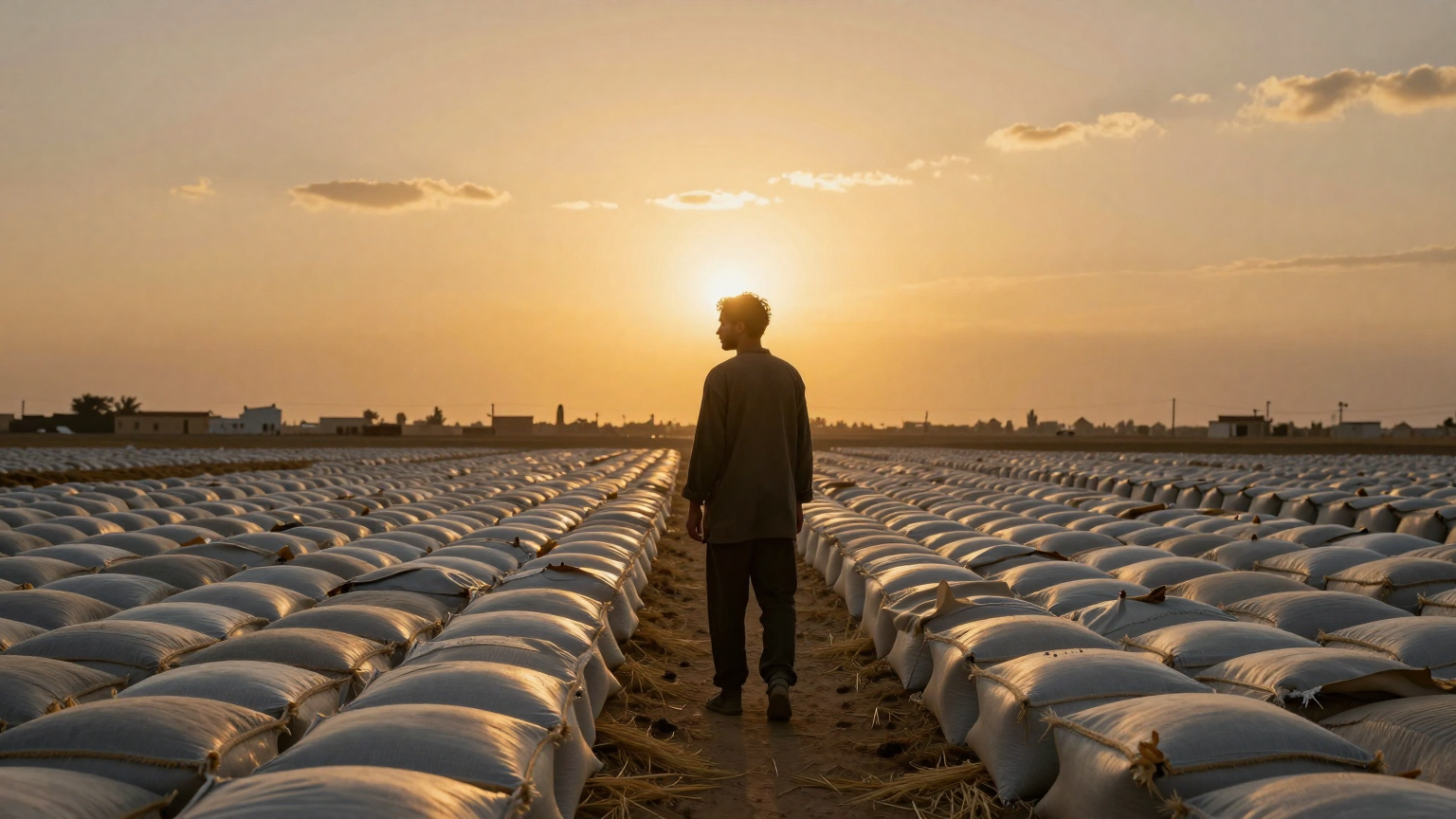
The United Nations has issued a critical warning about deepening hunger in several Middle Eastern nations, pointing to war, elevated fuel prices, and reduced aid as primary culprits. This alert highlights the severe food insecurity faced by millions in Sudan, Yemen, South Sudan, Somalia, and northern Nigeria. 12
Sudan emerges as a particularly troubling case, with a persistent threat of famine looming over 13 areas in North Darfur and South Kordofan. Nearly 19.5 million people in Sudan are currently battling crisis-level hunger or worse, according to the report. The situation is further complicated by a dramatic increase in sorghum prices, which have more than doubled within the last year due to ongoing conflict and heightened fuel costs. 2
Moreover, Sudan is grappling with significant agricultural challenges. Drought associated with El Niño has impacted up to 55% of cropland in Sennar state and 70% in Gedaref, severely hampering the country's ability to produce enough food for its population. 2
Yemen, another focal point in the report, remains mired in a protracted conflict that began in 2014. With the Iran-backed Houthi rebels controlling the capital, Sanaa, the resumption of fighting in July has led to the displacement of more than 300,000 people. This renewed violence poses a serious threat to the already dire hunger situation in the country. 2
The report also reveals a substantial decline in food and nutrition assistance to the five countries experiencing the highest levels of concern. This aid has decreased by approximately 62% between 2022 and 2025, compounding the difficulties these nations face due to war and high fuel costs. 2
This UN warning underscores the interconnected nature of global issues, illustrating how conflicts and economic pressures in one region can significantly impact food security and humanitarian needs elsewhere. Covering the period from December 2026 to May 2026, the report offers a crucial glimpse into the immediate future for these vulnerable populations, underlining the urgent need for sustained support and intervention. 12
What We Know
- The UN has issued a warning about deepening hunger in the Middle East. 12
- Sudan, Yemen, South Sudan, Somalia, and northern Nigeria are identified as areas of highest concern for hunger. 12
- War, high fuel costs, and reductions in aid are cited as factors contributing to the worsening hunger situation. 12
- The report covers the period from December 2026 to May 2026. 12
- In Sudan, a risk of famine persists through January in 13 areas of North Darfur and South Kordofan. 2
- Nearly 19.5 million people in Sudan faced crisis-level hunger or worse. 2
- Sorghum prices in Sudan more than doubled in a year due to fighting and higher fuel costs. 2
- Diesel prices in Sudan more than doubled from a year earlier because of the Middle East conflict. 2
- Drought linked to El Niño affects up to 55% of cropland in Sennar state and 70% in Gedaref. 2
- In Yemen, hunger is likely to worsen as fighting that resumed in July spreads across multiple fronts. 2
- Yemen has been at war since 2014, with the Iran-backed Houthi rebels seizing the capital, Sanaa. 2
- More than 300,000 people have been displaced in Yemen since the escalation began. 2
- Food and nutrition assistance to the five countries at the highest level of concern dropped by about 62% between 2022 and 2025. 2
Trust Score report
Likely accurate — probability of truth 71%, weighted across 13 claims from 2 independent outlets.
- likely The UN has issued a warning about deepening hunger in the Middle East. (72%)
- likely Sudan, Yemen, South Sudan, Somalia, and northern Nigeria are identified as areas of highest concern for hunger. (72%)
- likely War, high fuel costs, and reductions in aid are cited as factors contributing to the worsening hunger situation. (72%)
- likely The report covers the period from December 2026 to May 2026. (72%)
- likely In Sudan, a risk of famine persists through January in 13 areas of North Darfur and South Kordofan. (71%)
- likely Nearly 19.5 million people in Sudan faced crisis-level hunger or worse. (71%)
- likely Sorghum prices in Sudan more than doubled in a year due to fighting and higher fuel costs. (71%)
- likely Diesel prices in Sudan more than doubled from a year earlier because of the Middle East conflict. (71%)
- likely Drought linked to El Niño affects up to 55% of cropland in Sennar state and 70% in Gedaref. (71%)
- likely In Yemen, hunger is likely to worsen as fighting that resumed in July spreads across multiple fronts. (71%)
- likely Yemen has been at war since 2014, with the Iran-backed Houthi rebels seizing the capital, Sanaa. (71%)
- likely More than 300,000 people have been displaced in Yemen since the escalation began. (71%)
- likely Food and nutrition assistance to the five countries at the highest level of concern dropped by about 62% between 2022 and 2025. (71%)
Sources
- PBS NewsHour — UN warns hunger will deepen in the Middle East as war, fuel costs and aid cuts collide
https://www.pbs.org/newshour/world/un-warns-hunger-will-deepen-in-the-middle-east-as-war-fuel-costs-and-aid-cuts-collide - ABC News — UN warns hunger will deepen in the Middle East
https://abcnews.com/International/wireStory/warns-hunger-deepen-middle-east-war-fuel-costs-138477712