Uganda Launches First African mRNA Ebola Vaccine Trial
The Ugandan trial, which includes 224 participants, aims to test a vaccine targeting the Bundibugyo strain of Ebola.
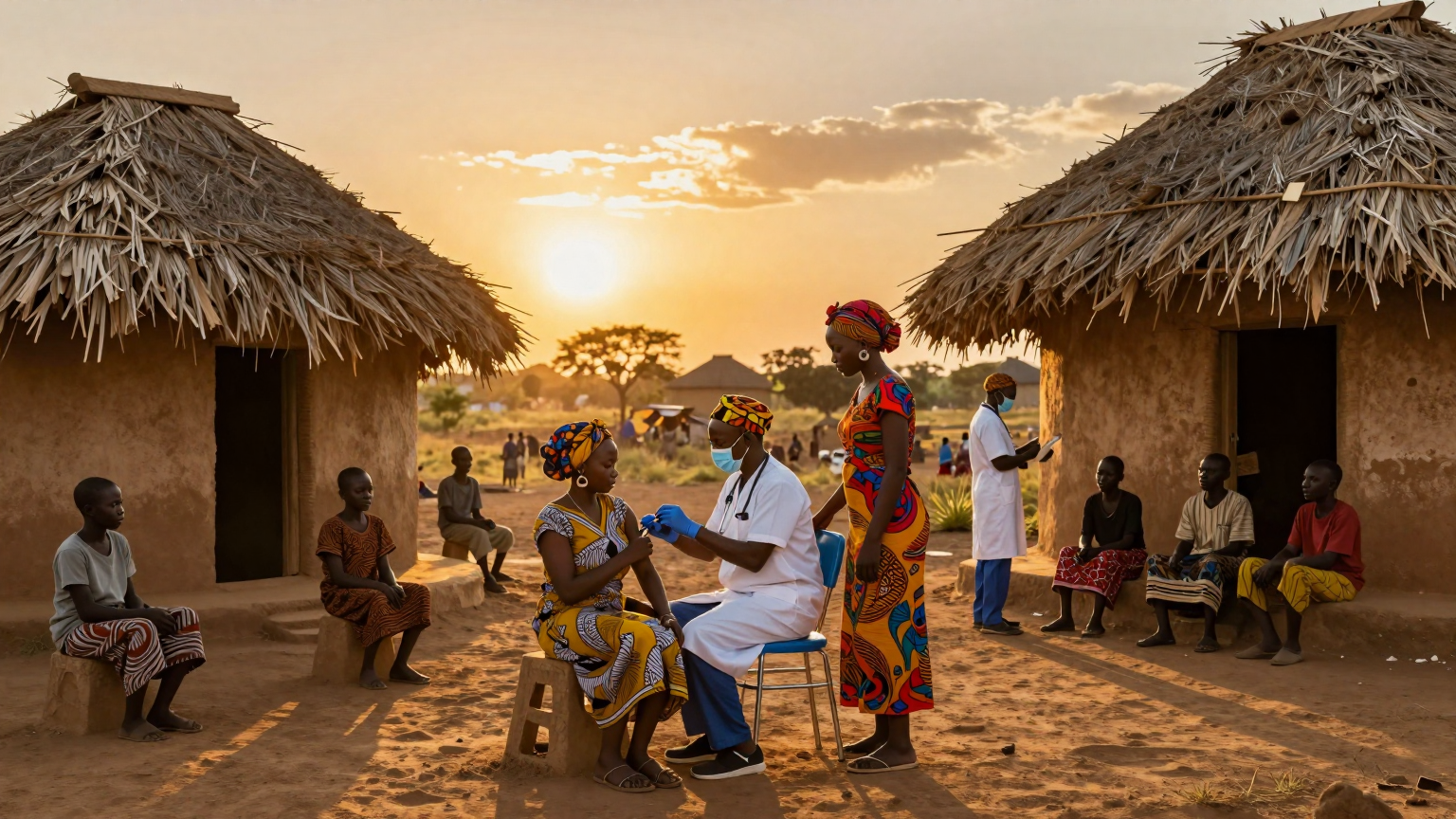
Uganda has commenced a groundbreaking clinical trial for an mRNA Ebola vaccine, marking the first such trial on the continent. This initiative, which involves 224 volunteers ranging from one-year-old children to adults, represents a significant step forward in the fight against the deadly disease. The vaccine focuses specifically on the Bundibugyo strain of Ebola, a variant known for its high fatality rate.
The trial is being conducted by the Uganda Virus Research Institute (UVRI), in collaboration with the American biotechnology company Moderna. This partnership underscores the global nature of medical research and innovation, bringing together expertise from both Africa and the United States to address a pressing health concern.
Moderna's involvement is notable, as the company has already begun testing the same vaccine in Canada since August. This prior experience provides valuable insights into the vaccine's potential efficacy and safety profile. Additionally, the inclusion of young children in the Ugandan trial is particularly important, as they are often disproportionately affected by Ebola outbreaks but frequently excluded from early-stage vaccine trials.
While the mRNA vaccine takes center stage in Uganda, another promising candidate is also making waves. The ChAdOx1 adenoviral vector vaccine, developed by India’s Serum Institute and the University of Oxford, has garnered attention for its potential to combat the disease. Gavi, the Vaccine Alliance, has expressed confidence in this option by committing to purchase 1.5 million doses from the Serum Institute.
The timing of these developments is crucial, given the ongoing Ebola outbreak in the Democratic Republic of Congo (DRC). Since May, the DRC has confirmed over 12,000 cases and nearly 6,000 deaths, highlighting the urgent need for effective vaccines. In response, two experimental vaccines will be tested in eastern DRC starting on Monday, further bolstering efforts to control the spread of the disease.
Despite sharing a border with the DRC, Uganda has demonstrated remarkable success in containing the virus. This resilience is attributed to robust public health measures and vigilant monitoring, providing hope that the country can continue to protect its population even as new challenges arise.
What we know
- - Uganda has started a clinical trial for an mRNA Ebola vaccine. 12
- - This is the first mRNA Ebola vaccine trial in Africa. 12
- - The trial includes 224 volunteers ranging from 1 year old to adults. 12
- - The vaccine targets the Bundibugyo strain of Ebola. 12
- - The trial is conducted by UVRI in collaboration with Moderna. 1
- - The vaccine used in Uganda's trial is developed by Moderna using mRNA technology. 2
- - Moderna previously tested the same vaccine in Canada starting in August. 1
- - Children are particularly vulnerable to Ebola outbreaks but often do not benefit from new vaccines. 1
- - Another vaccine option is the ChAdOx1 adenoviral vector vaccine developed by India’s Serum Institute and the University of Oxford. 1
- - Gavi, the Vaccine Alliance, committed to purchasing 1.5 million doses of ChAdOx1 vaccine from Serum Institute. 1
- - The DRC has confirmed at least 12,021 Ebola cases and 5,904 deaths since May. 1
- - Two experimental vaccines will be tested in eastern DRC starting on Monday. 2
- - Uganda has been successful in containing the virus despite sharing a border with eastern DRC. 2
Trust Score report
Likely accurate — probability of truth 71%, weighted across 17 claims from 2 independent outlets.
- confirmed Uganda has started a clinical trial for an mRNA Ebola vaccine. (85%)
- confirmed This is the first mRNA Ebola vaccine trial in Africa. (85%)
- confirmed The Ugandan trial includes 224 volunteers ranging from 1 year old to adults. (85%)
- confirmed The vaccine targets the Bundibugyo strain of Ebola. (85%)
- likely The trial is conducted by Uganda Virus Research Institute (UVRI) in collaboration with Moderna. (71%)
- likely The vaccine used in Uganda's trial is developed by Moderna using mRNA technology. (71%)
- unverified Uganda declared its Ebola outbreak over on July 28, with 20 infections and 2 deaths. (50%)
- unverified Uganda's trial involves 224 healthy volunteers aged 1 to 65. (50%)
- unverified Uganda was declared Ebola-free in August after recording 20 cases, including two deaths. (50%)
- likely Moderna previously tested the same vaccine in Canada starting in August. (71%)
- likely Children are particularly vulnerable to Ebola outbreaks but often do not benefit from new vaccines. (71%)
- likely Another vaccine option is the ChAdOx1 adenoviral vector vaccine developed by India’s Serum Institute and the University of Oxford. (71%)
- likely Gavi, the Vaccine Alliance, committed to purchasing 1.5 million doses of ChAdOx1 vaccine from Serum Institute. (71%)
- likely The DRC has confirmed at least 12,021 Ebola cases and 5,904 deaths since May. (71%)
- likely Two experimental vaccines will be tested in eastern DRC starting on Monday. (71%)
- likely Uganda has been successful in containing the virus despite sharing a border with eastern DRC. (71%)
- unverified The current Ebola outbreak in DRC has resulted in over 5,700 deaths from more than 11,000 cases. (50%)
Sources
- Al Jazeera — Uganda starts mRNA Ebola vaccine trial in first for Africa
https://www.aljazeera.com/news/2026/11/28/uganda-starts-mrna-ebola-vaccine-trial-in-first-for-africa?traffic_source=rss - Medical Xpress — mRNA Ebola vaccine trial starts in Uganda: Institute
https://medicalxpress.com/news/2026-11-mrna-ebola-vaccine-trial-uganda.html