Trump Set to Attend TSMC Groundbreaking Ceremony in Arizona Amidst Expansion Plans
The former president is scheduled to visit the state on December 4th for the start of construction on a new computer chip factory.
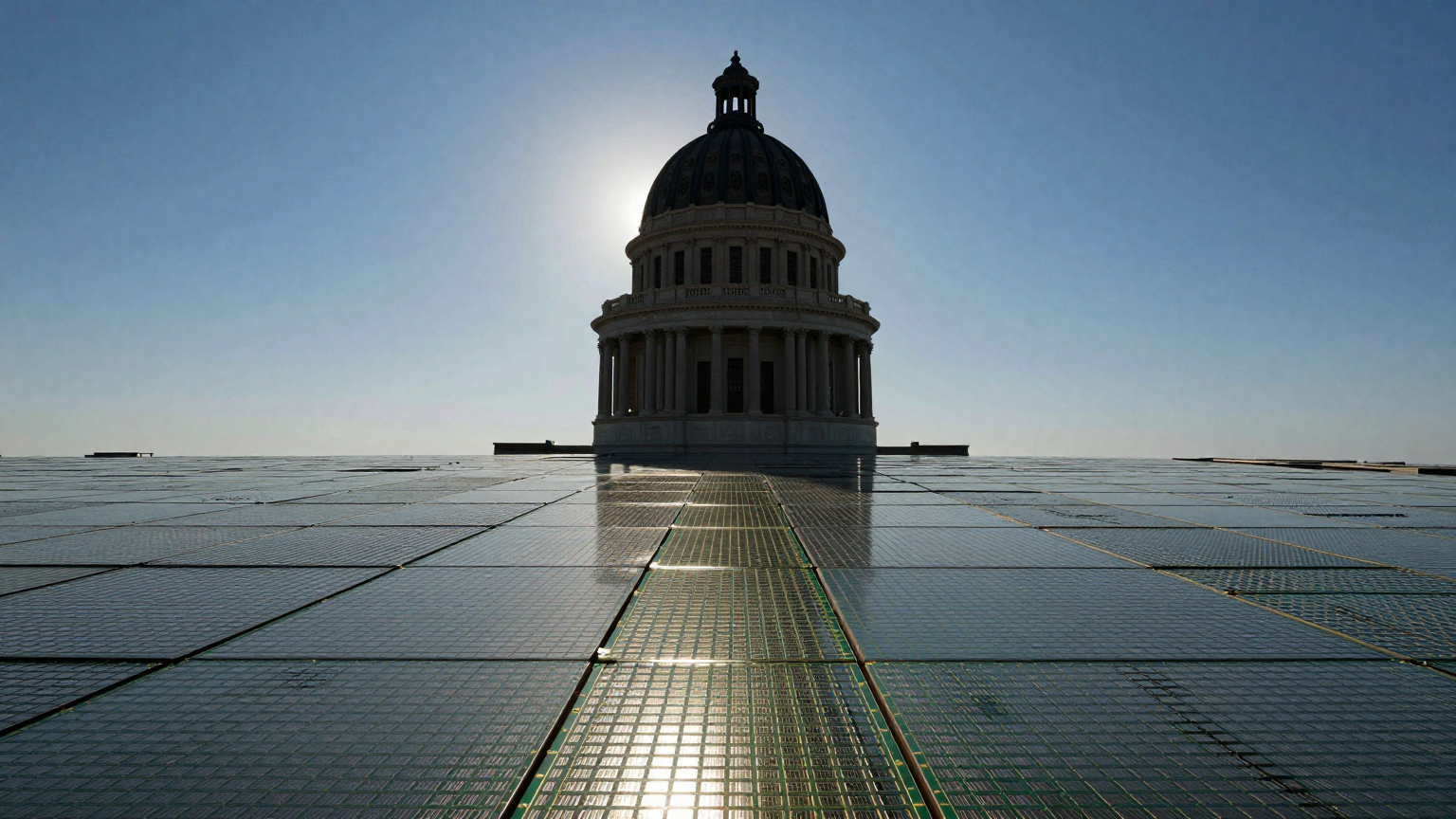
Former President Donald Trump is set to make a high-profile appearance in Arizona next week, marking his presence at the groundbreaking ceremony for a new TSMC computer chip factory. This event is part of a significant expansion of TSMC’s operations in the Phoenix area, which reportedly aims to bolster the United States' position in the global semiconductor market.
According to several outlets, TSMC, a leading manufacturer of advanced computer chips, has announced ambitious plans to invest an additional $100 billion in U.S. manufacturing. This brings their total investment in American facilities to $265 billion, a figure that underscores the company's commitment to the region and its strategic importance in the tech industry. The expansion is expected to generate substantial economic benefits, creating approximately 10,000 direct jobs and 11,000 indirect jobs, thereby boosting local employment opportunities and contributing to the state's economy.
The decision to expand operations in Arizona can be attributed to several factors, including increased demand for computer chips driven by advancements in artificial intelligence. This surge in demand highlights the critical role that semiconductors play in modern technology, from smartphones to sophisticated computing systems used in research and development. Furthermore, the passage of the CHIPS and Science Act, signed into law by President Joe Biden, has provided crucial financial support for TSMC's project, illustrating the alignment between federal policy and private sector investment in technological innovation.
TSMC's choice to locate its new factory in Arizona also reflects the company's longstanding relationships with major tech firms such as Nvidia, which rely on TSMC for the production of their cutting-edge components. This partnership underscores the interconnected nature of the tech ecosystem and the importance of robust supply chains in maintaining competitive advantage.
What we know
- Donald Trump is scheduled to visit Arizona on December 4th. 123
- The purpose of Trump's visit is to attend the groundbreaking ceremony for a new TSMC computer chip factory. 123
- TSMC is expanding its operations in the Phoenix, Arizona area. 23
- TSMC has announced plans to invest an additional $100 billion in U.S. manufacturing, bringing total investment to $265 billion. 2
- The expansion will create 10,000 direct jobs and 11,000 indirect jobs. 2
- TSMC's expansion is partly due to increased demand for computer chips driven by advancements in artificial intelligence. 2
- The CHIPS and Science Act provided financial support for TSMC's project. 2
- TSMC manufactures chips for major tech companies such as Nvidia. 3
Trust Score report
Likely accurate — probability of truth 71%, weighted across 8 claims from 3 independent outlets.
- likely Donald Trump is scheduled to visit Arizona on December 4th. (72%)
- likely The purpose of Trump's visit to Arizona is to attend the groundbreaking ceremony for a new TSMC computer chip factory. (72%)
- likely TSMC is expanding its operations in the Phoenix, Arizona area. (71%)
- likely TSMC has announced plans to invest an additional $100 billion in U.S. manufacturing, bringing total investment to $265 billion. (71%)
- likely The expansion will create 10,000 direct jobs and 11,000 indirect jobs. (71%)
- likely TSMC's expansion is partly due to increased demand for computer chips driven by advancements in artificial intelligence. (71%)
- likely The CHIPS and Science Act, signed by President Biden, provided financial support for TSMC's project. (71%)
- likely TSMC manufactures chips for major tech companies such as Nvidia. (70%)
Sources
- PBS NewsHour — Trump heads to Arizona next week for a high-stakes expansion of TSMC's computer chip factories
https://www.pbs.org/newshour/politics/trump-heads-to-arizona-next-week-for-a-high-stakes-expansion-of-tsmcs-computer-chip-factories - ABC News U.S. — Trump heads to Arizona next week for a high-stakes expansion of TSMC's computer chip factories
https://abcnews.com/US/wireStory/trump-heads-arizona-week-high-stakes-expansion-tsmcs-138455173 - The Independent — Trump heads to Arizona next week for a high-stakes expansion of TSMC's computer chip factories
https://www.independent.co.uk/news/world/americas/donald-trump-arizona-west-palm-beach-florida-white-house-b3091831.html