Trump Administration Pledges $15 Billion to US Farmers Ahead of Midterms
The White House has announced a significant financial boost for American agriculture, aiming to shore up support among rural voters in the run-up to November’s congressional elections.
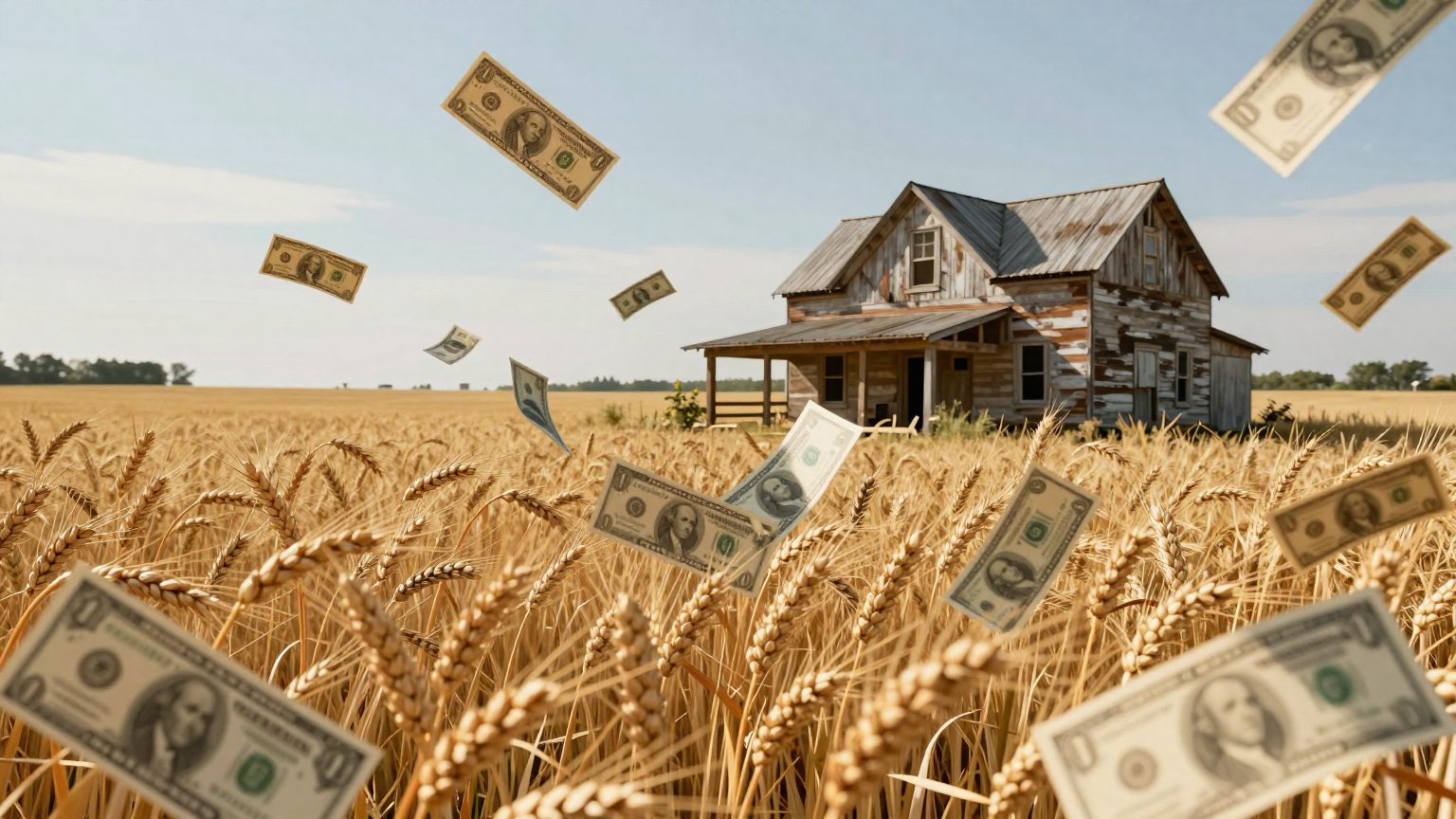
In a move likely aimed at bolstering support among key voting blocs ahead of the midterm elections, the Trump administration has pledged $15 billion to US farmers, reported several outlets 12. This substantial sum is set to be distributed in various ways, including direct payments and investments in infrastructure, designed to address the challenges faced by the agricultural sector.
The United States Department of Agriculture (USDA) plans to allocate $13.8 billion through safety net programs for eligible producers for the 2025 crop year, according to reports 2. A notable portion of the total amount, approximately $8 billion, will be dedicated to a one-time payment plan for farmers who have been hit hard by soaring diesel prices. These prices have risen to an average of $6.32 per gallon, marking a 70% increase from the previous year 2.
Furthermore, the administration has earmarked at least $5 billion for guaranteed loans to assist ranchers and fishermen, providing much-needed financial support to these segments of the agricultural community. Additionally, $1.8 billion will be paid out to producers and landowners involved in conservation programs, highlighting the administration’s commitment to environmental stewardship alongside economic assistance 2.
Other allocations include $573 million for fertilizer manufacturing projects, $57 million for expanding meat processing capabilities, and $86.6 million in grants for specialty crop producers to fund innovative initiatives 2. The USDA also intends to purchase up to $472.5 million worth of agricultural commodities to support both producers and charitable programs, further demonstrating the breadth of the aid package 2.
This financial assistance comes at a time when farmers are grappling with increased costs for essential inputs such as fertilizer and fuel, which have significantly impacted their profitability. Moreover, tariffs imposed in previous years have driven up the cost of equipment necessary for farming operations, adding another layer of financial strain 2.
The agricultural sector has also faced challenges related to labor shortages, with immigrant deportations threatening the availability of workers needed for planting and harvesting 2. Meanwhile, reductions in foreign aid and cuts to the Supplemental Nutrition Assistance Program (SNAP) have affected the demand for agricultural products, impacting the broader economy 2.
For rural voters, cost of living and access to healthcare remain top concerns, making the timing of this financial boost particularly strategic for the administration as it seeks to secure favorable outcomes in the upcoming midterm elections 2.
What We Know
- - The Trump administration promised $15 billion to US farmers 12
- - This promise was made in the weeks leading up to the midterm elections 12
- - The USDA plans $13.8 billion in safety net program payments for eligible producers for the 2025 crop year 2
- - More than half of the $15 billion will go towards an $8 billion one-time payment plan for farmers affected by rising diesel prices 2
- - At least $5 billion was allocated for guaranteed loans for ranchers and fishermen 2
- - $1.8 billion in payments were announced for producers and landowners participating in conservation programs 2
- - $573 million will be directed towards fertilizer manufacturing projects 2
- - $57 million will be used for expanding meat processors 2
- - $86.6 million in grants will be awarded to specialty crop producers for innovative projects 2
- - The USDA will purchase up to $472.5 million in agricultural commodities to support producers and charitable programs 2
- - Diesel prices averaged $6.32 per gallon on Friday, 70% higher than the previous year 2
- - Farmers face increased costs for fertilizer and fuel, making it harder to earn profits 2
- - Tariffs last year raised expenses for other equipment used by farmers 2
- - Immigrant deportations have threatened the agricultural labor force 2
- - Cuts to foreign aid and SNAP food stamps have impacted the market for agricultural products 2
- - Cost of living and access to healthcare are top concerns for rural voters 2
Verification report
Likely accurate — probability of truth 72%, weighted across 16 claims from 2 independent outlets.
- likely The Trump administration promised $15 billion to US farmers. (84%)
- likely This promise was made in the weeks leading up to the midterm elections. (84%)
- likely The USDA plans $13.8 billion in safety net program payments for eligible producers for the 2025 crop year. (70%)
- likely More than half of the $15 billion will go towards an $8 billion one-time payment plan for farmers affected by rising diesel prices. (70%)
- likely At least $5 billion was allocated for guaranteed loans for ranchers and fishermen. (70%)
- likely $1.8 billion in payments were announced for producers and landowners participating in conservation programs. (70%)
- likely $573 million will be directed towards fertilizer manufacturing projects. (70%)
- likely $57 million will be used for expanding meat processors. (70%)
- likely $86.6 million in grants will be awarded to specialty crop producers for innovative projects. (70%)
- likely The USDA will purchase up to $472.5 million in agricultural commodities to support producers and charitable programs. (70%)
- likely Diesel prices averaged $6.32 per gallon on Friday, 70% higher than the previous year. (70%)
- likely Farmers face increased costs for fertilizer and fuel, making it harder to earn profits. (70%)
- likely Tariffs last year raised expenses for other equipment used by farmers. (70%)
- likely Immigrant deportations have threatened the agricultural labor force. (70%)
- likely Cuts to foreign aid and SNAP food stamps have impacted the market for agricultural products. (70%)
- likely Cost of living and access to healthcare are top concerns for rural voters. (70%)
Sources
- KVUE (Austin) — Trump administration promises US farmers $15 billion in the weeks before the midterms
https://www.kvue.com/article/syndication/associatedpress/trump-administration-promises-us-farmers-15-billion-in-weeks-before-the-midterms/616-9d09b339-f28f-48aa-9401-ee71ff1c945a - The Independent — Trump administration promises US farmers $15 billion in weeks before the midterms
https://www.independent.co.uk/news/world/americas/us-politics/trump-farmers-midterms-iowa-kansas-b3077199.html