Tesla Faces Scrutiny Over Marketing Practices For Full Self-Driving In South Korea
A South Korean consumer group has asked regulators to intervene after alleging that Tesla misled thousands of customers about the availability of Full Self-Driving.
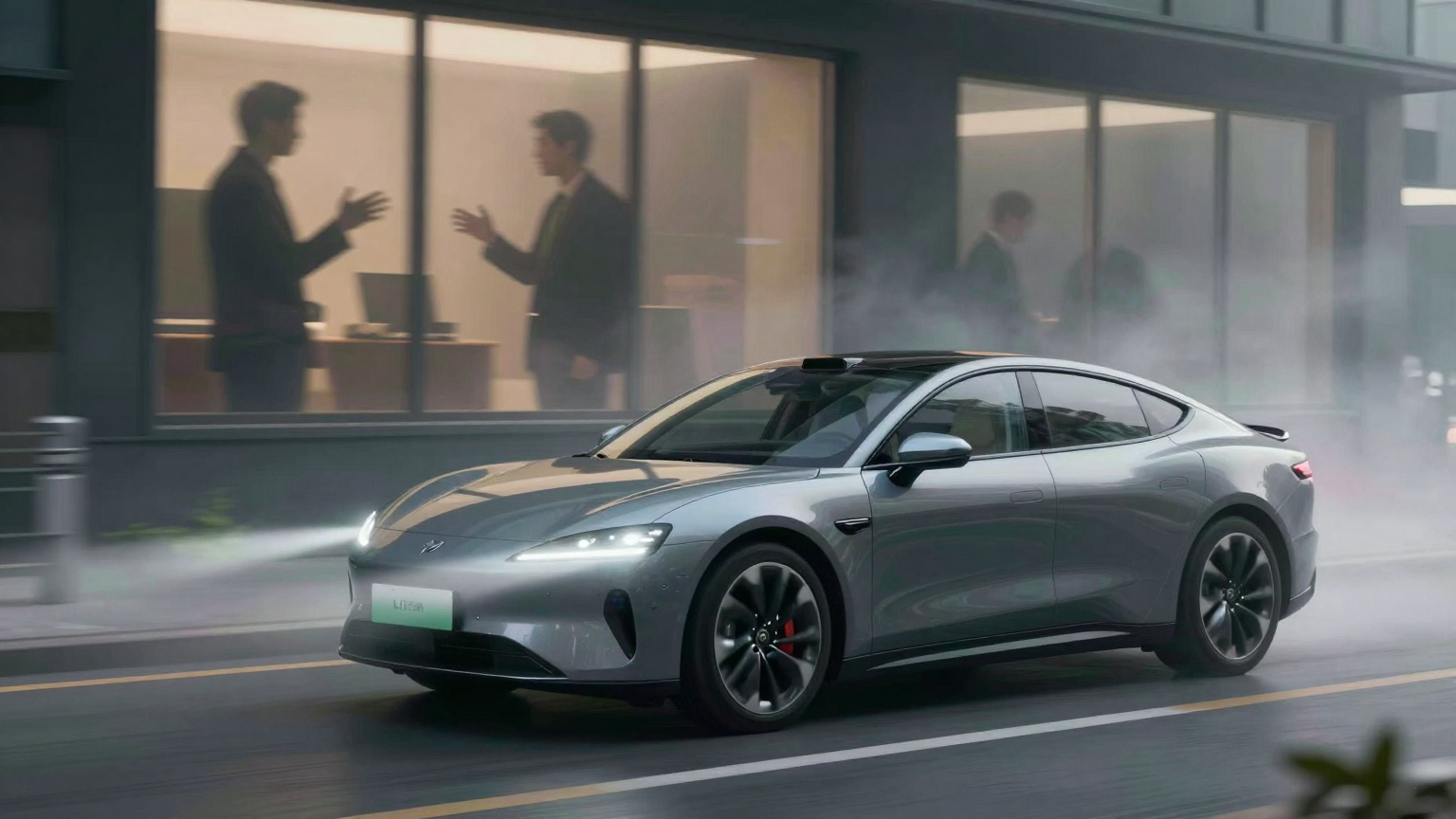
A South Korean consumer group has requested that regulators step in to halt Tesla’s marketing of Full Self-Driving (FSD) to customers whose vehicles cannot legally use the feature, reportedly sparking a broader investigation into the company's advertising practices.
Since 2023, Tesla has sold more than 170,000 Shanghai-made vehicles in Korea, yet only models produced in the United States, such as the Model S, Model X, and Cybertruck, are eligible for FSD under the terms of the Korea-US Free Trade Agreement. This discrepancy has led to confusion among buyers, who have been charged a one-time fee of 9.043 million won or a monthly subscription of 150,000 won for FSD, even though the feature was not fully usable for many of them.
Tesla Korea’s country manager noted that FSD functionality is available on approximately 20 percent of Teslas registered in the country. However, the company did not formally seek FSD approval in Korea until October 2023, despite having collected FSD fees from customers for over three years. This delay has raised eyebrows and prompted the Korea Fair Trade Commission to launch an investigation into Tesla’s FSD advertising methods.
Furthermore, Tesla’s FSD does not conform to local safety regulations in Korea, which require drivers to maintain contact with the steering wheel. Despite these constraints, Tesla promoted FSD as 'coming soon' in South Korea without clearly indicating that it was not immediately accessible for the majority of its vehicles. This marketing approach has drawn criticism from consumer advocates, who argue that it constitutes misleading advertising.
In a related development, a Seoul court recently dismissed a lawsuit brought by Tesla owners seeking refunds for the FSD option, citing regulatory and legal restrictions. Meanwhile, a consumer advocacy group has filed a complaint with the Korean Fair Trade Commission regarding Tesla's marketing practices, adding another layer to the ongoing scrutiny of the automaker's operations in South Korea.
What We Know
- A South Korean consumer group requested regulators to stop Tesla from marketing Full Self-Driving to customers whose vehicles cannot legally use it. 12
- Since 2023, Tesla has sold over 170,000 Shanghai-made vehicles in Korea. 12
- Only Teslas from US factories, such as the Model S, Model X, and Cybertruck, can legally use FSD in Korea due to the KORUS free trade agreement. 1
- Tesla Korea country manager stated that FSD works on around 20% of Teslas registered in the country. 1
- Tesla has been charging Korean buyers a one-time fee of 9.043 million won or a monthly subscription of 150,000 won for FSD. 1
- Tesla did not formally apply for FSD approval in Korea until October 2023, despite collecting FSD fees for over three years. 1
- The Korea Fair Trade Commission is currently investigating Tesla's FSD advertising practices. 1
- Tesla's FSD does not comply with local safety rules in Korea, such as the requirement for drivers to keep their hands on the steering wheel. 1
- Tesla collected $6,726 from South Korean customers for FSD activation, even though it was not fully usable. 2
- Only 20% of Teslas in South Korea, those built in the U.S., meet the necessary safety standards for FSD use. 2
- A consumer advocacy group filed a complaint with the Korean Fair Trade Commission regarding Tesla's marketing practices. 2
- Tesla promoted FSD as 'coming soon' in South Korea without clearly stating that it was not available for most vehicles. 2
- A Seoul court dismissed a lawsuit by Tesla owners seeking refunds for FSD option, citing regulatory and legal restrictions. 2
Trust Score report
Likely accurate — probability of truth 66%, weighted across 16 claims from 2 independent outlets.
- likely A South Korean consumer group requested regulators to stop Tesla from marketing Full Self-Driving (FSD) to customers whose vehicles cannot legally use it. (83%)
- unverified The issue affects approximately 99% of Teslas sold in Korea, as most were manufactured in Shanghai and do not meet Korean safety standards for FSD. (54%)
- unverified Approximately 80% of Teslas in South Korea cannot legally use FSD due to manufacturing location. (46%)
- unverified In 2022, 99% of new Teslas sold in South Korea were ineligible for FSD use. (46%)
- likely Since 2023, Tesla has sold over 170,000 Shanghai-made vehicles in Korea. (83%)
- likely Only Teslas from US factories, such as the Model S, Model X, and Cybertruck, can legally use FSD in Korea due to the KORUS free trade agreement. (71%)
- likely Tesla Korea country manager stated that FSD works on around 20% of Teslas registered in the country. (71%)
- likely Tesla has been charging Korean buyers a one-time fee of 9.043 million won or a monthly subscription of 150,000 won for FSD. (71%)
- likely Tesla did not formally apply for FSD approval in Korea until October 2023, despite collecting FSD fees for over three years. (71%)
- likely The Korea Fair Trade Commission is currently investigating Tesla's FSD advertising practices. (71%)
- likely Tesla's FSD does not comply with local safety rules in Korea, such as the requirement for drivers to keep their hands on the steering wheel. (71%)
- likely Tesla collected $6,726 from South Korean customers for FSD activation, even though it was not fully usable. (67%)
- likely Only 20% of Teslas in South Korea, those built in the U.S., meet the necessary safety standards for FSD use. (67%)
- likely A consumer advocacy group filed a complaint with the Korean Fair Trade Commission regarding Tesla's marketing practices. (67%)
- likely Tesla promoted FSD as 'coming soon' in South Korea without clearly stating that it was not available for most vehicles. (67%)
- likely A Seoul court dismissed a lawsuit by Tesla owners seeking refunds for FSD option, citing regulatory and legal restrictions. (67%)
Sources
- Electrek — Tesla accused of selling FSD to Korean owners who can’t legally use it
https://electrek.co/2026/11/04/tesla-fsd-south-korea-consumer-group-complaint-kftc/ - Jalopnik — Tesla Allegedly Misled Thousands Of South Korean Customers About 'Full Self-Driving'
https://www.jalopnik.com/2307060/tesla-allegedly-misled-thousands-of-south-korean-customers-about-full-self-driving/