Taiwan Votes in Crucial Local Elections Amidst Cross-Strait Tensions
Taiwanians head to the polls to elect mayors and local leaders in a contest closely watched by both domestic and international observers.
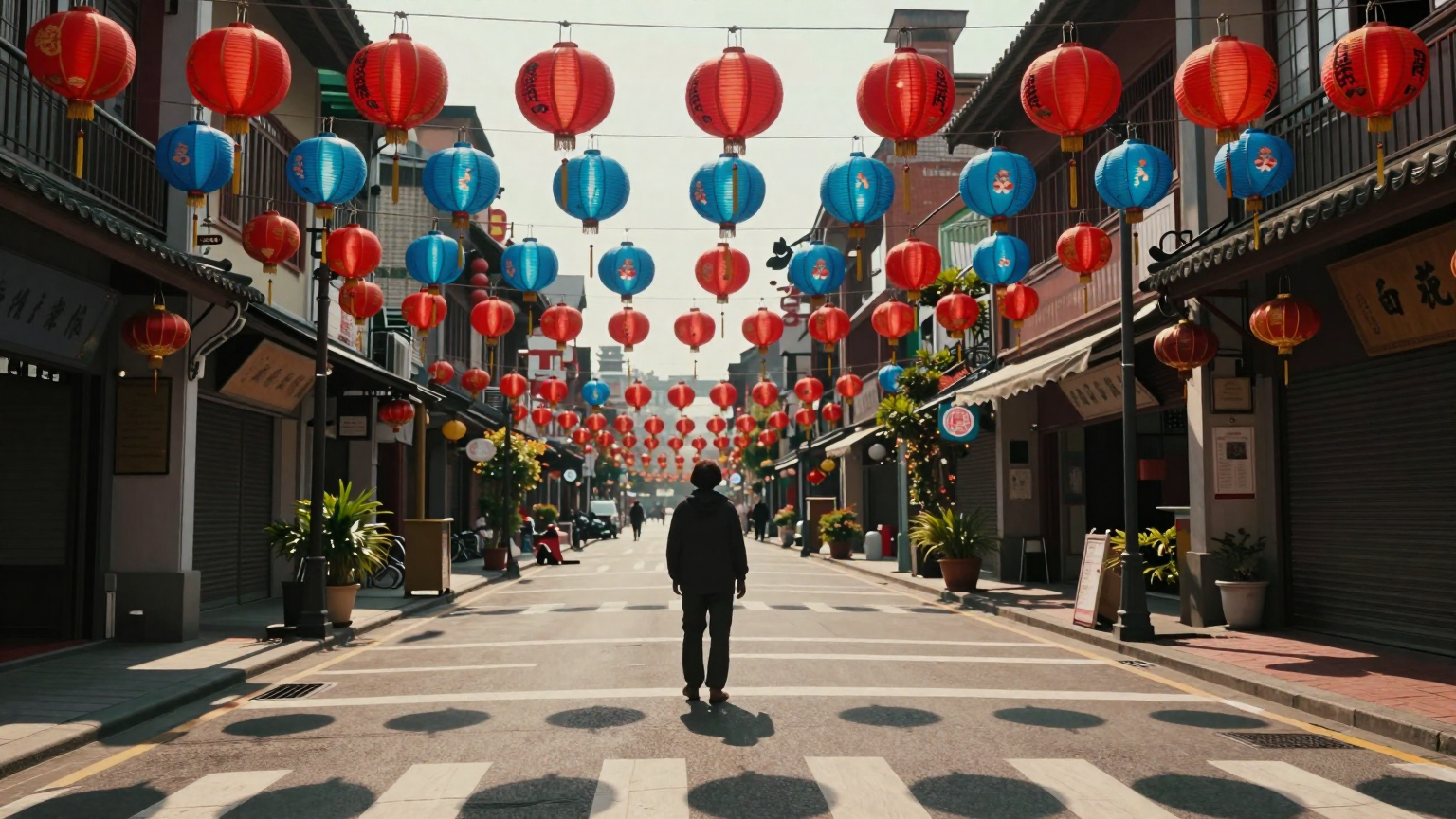
Taiwanians cast their ballots on Saturday, November 28, 2026, in a pivotal set of local elections that will determine the leadership of 22 districts across the island nation. These 'nine-in-one' elections, which span mayoral races and other local leadership positions, are seen as a barometer of public sentiment towards the ruling Democratic Progressive Party (DPP) and the opposition Kuomintang (KMT) party. With approximately 11,000 positions up for grabs, the stakes are high, especially in the capital city of Taipei where incumbent KMT mayor Chiang Wan-an faces a formidable challenge from DPP candidate Puma Shen. Shen notably becomes the first individual sanctioned by Beijing to run for Taipei mayor, highlighting the increasingly contentious nature of cross-strait relations.
The electoral landscape is further complicated by China's significant influence over the proceedings. Despite denials from Zhu Fenglian, a spokesperson for China’s Taiwan affairs office, reports suggest that Beijing wields considerable sway through military pressure and potential interference. This backdrop underscores the broader geopolitical tensions surrounding Taiwan, with China's Defense Ministry reiterating its stance that 'reunification' with Taiwan is an unstoppable trend. Meanwhile, local issues such as housing affordability and wealth distribution remain central to voter concerns, as evidenced by the rapid economic growth experienced by Taiwan in recent months.
In addition to Taipei, other major cities like New Taipei and Kaohsiung also feature notable mayoral contests. The outcome of these races could significantly impact cross-strait relations, as noted by Wei-Ting Yen, a political scientist. Furthermore, the proposed record 18% increase in Taiwan's defense budget for the following year signals the government's commitment to bolstering national security amidst growing regional uncertainties.
What we know
- - Taiwan's local elections will choose mayors, council members, and other local leaders across 22 districts. 123
- - The races are tightly contested between candidates from the DPP and KMT parties. 12
- - China exerts significant influence over the elections due to military pressure and alleged interference. 1
- - Puma Shen, a DPP candidate, is the first under Beijing sanctions to run for Taipei mayor. 1
- - Elections took place on Saturday, November 28, 2026, with polls opening at 8 AM local time and closing at 4 PM local time. 2
- - Approximately 11,000 positions are up for grabs in these 'nine-in-one' elections. 2
- - The race for the mayor of Taipei is particularly significant, with the current mayor Chiang Wan-an of the KMT facing a strong challenge from Puma Shen of the DPP. 2
- - The local elections focus primarily on issues like housing affordability and wealth distribution. 1
- - Zhu Fenglian, a spokesperson for China’s Taiwan affairs office, denies election interference. 1
- - Wei-Ting Yen, a political scientist, notes that local election outcomes impact cross-strait relations. 1
- - Taiwan's defense budget proposes a record 18% increase for next year. 1
- - Taiwan's economy grew by over 14% in the first nine months of the year, the fastest rate in 50 years. 1
- - Nearly 70% of workers earn less than the average monthly wage of 49,152 Taiwan dollars. 1
- - New Taipei City and Kaohsiung also have notable mayoral contests. 2
- - China's Defense Ministry stated that 'reunification' with Taiwan is an unstoppable trend. 2
- - In the previous local elections, the KMT won 14 cities and counties, the DPP won 5, and other parties or independents won 3. 2
Trust Score report
Likely accurate — probability of truth 74%, weighted across 16 claims from 3 independent outlets.
- confirmed Taiwan's local elections will choose mayors, council members, and other local leaders across 22 districts. (94%)
- confirmed The races are tightly contested between candidates from the DPP and KMT parties. (86%)
- likely China exerts significant influence over the elections due to military pressure and alleged interference. (72%)
- likely Puma Shen, a DPP candidate, is the first under Beijing sanctions to run for Taipei mayor. (72%)
- likely Elections took place on Saturday, November 28, 2026, with polls opening at 8 AM local time and closing at 4 PM local time. (71%)
- likely Approximately 11,000 positions are up for grabs in these 'nine-in-one' elections. (71%)
- likely The race for the mayor of Taipei is particularly significant, with the current mayor Chiang Wan-an of the KMT facing a strong challenge from Puma Shen of the DPP. (71%)
- likely The local elections focus primarily on issues like housing affordability and wealth distribution. (72%)
- likely Zhu Fenglian, a spokesperson for China’s Taiwan affairs office, denies election interference. (72%)
- likely Wei-Ting Yen, a political scientist, notes that local election outcomes impact cross-strait relations. (72%)
- likely Taiwan's defense budget proposes a record 18% increase for next year. (72%)
- likely Taiwan's economy grew by over 14% in the first nine months of the year, the fastest rate in 50 years. (72%)
- likely Nearly 70% of workers earn less than the average monthly wage of 49,152 Taiwan dollars. (72%)
- likely New Taipei City and Kaohsiung also have notable mayoral contests. (71%)
- likely China's Defense Ministry stated that 'reunification' with Taiwan is an unstoppable trend. (71%)
- likely In the previous local elections, the KMT won 14 cities and counties, the DPP won 5, and other parties or independents won 3. (71%)
Sources
- The Guardian Asia Pacific — Threat from China looms large over Taiwan’s local elections
https://www.theguardian.com/world/2026/nov/27/threat-from-china-looms-large-over-taiwan-local-elections - Al Jazeera — Taiwan votes in local elections to choose mayors, other leaders
https://www.aljazeera.com/news/2026/11/28/taiwan-votes-in-local-elections-to-choose-mayors-other-leaders?traffic_source=rss - ABC News — Taiwan holds elections to choose mayors and other local leaders
https://abcnews.com/International/wireStory/taiwan-holds-elections-choose-mayors-local-leaders-138489345