Rwandan Man Convicted in US for Lying About Genocide Role
Eric Nshimiye, a Rwandan national, has been found guilty of perjury and obstruction of justice for concealing his involvement in the 1994 Rwandan genocide.
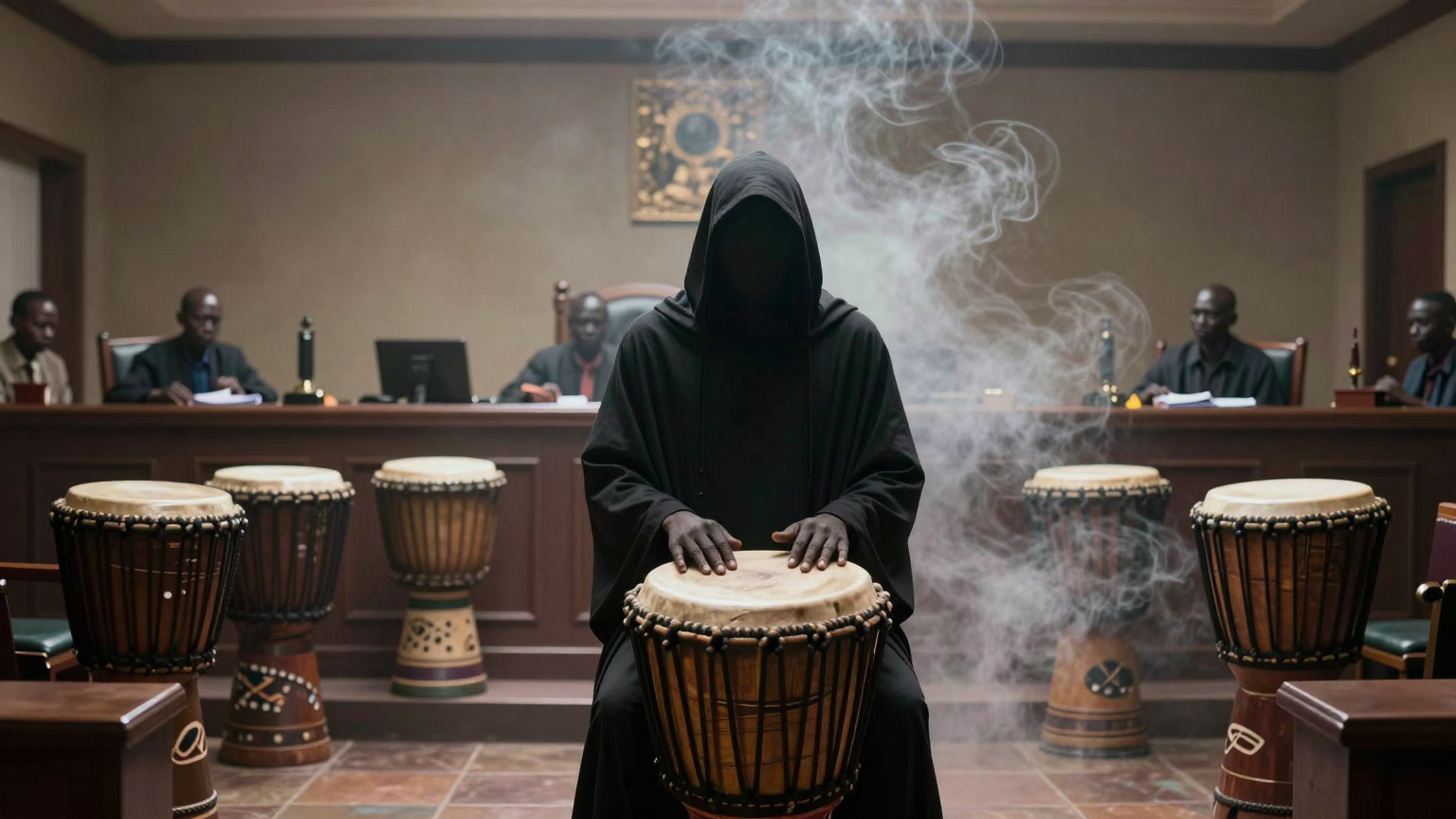
A Rwandan man, Eric Nshimiye, has been convicted in a United States court for lying about his role in the 1994 Rwandan genocide, marking a significant legal milestone in the ongoing pursuit of justice for the atrocities committed during that time. Nshimiye was found guilty of perjury and obstruction of justice, highlighting the importance of truthful testimony in legal proceedings, especially those involving such grave historical events.
The conviction stems from Nshimiye’s testimony in the 2019 trial of Jean Leonard Teganya, another individual accused of involvement in the genocide. According to reports, Nshimiye concealed his participation in the genocide to secure entry into the United States, a common practice among individuals seeking refuge or asylum in other countries. This concealment extended to his membership in the Mouvement Révolutionnaire National pour le Développement (MRND), the political party in power during the genocide, which he falsely denied during the 2019 trial.
Witnesses testified that Nshimiye took part in roadblocks where Tutsis were identified for killing and personally carried out killings in Butare, Rwanda. As a medical student at the National University of Rwanda in Butare in 1994, Nshimiye also participated in attacks on Tutsis, including hitting them with a club. These actions underscore the widespread violence and brutality that characterized the genocide, and highlight the personal risks taken by students and young adults in their participation.
Nshimiye’s case is closely linked to that of Jean Leonard Teganya, who was sentenced to eight years in jail in 2019 for immigration fraud related to the genocide. Teganya’s conviction and Nshimiye’s subsequent perjury charges illustrate the interconnected nature of these legal battles and the ongoing efforts to uncover the truth about the genocide.
According to several outlets, Nshimiye faces up to five years in prison for each of the four perjury counts and ten years for obstruction of justice. However, there is some dispute regarding the total potential prison term, with one source reporting that Nshimiye could face up to 15 years in prison as a result of his conviction. This discrepancy highlights the complexity of legal sentencing and the need for clarity in the final determination of Nshimiye’s punishment.
Nshimiye is a 54-year-old Rwandan-American, originally from Uniontown, and previously resided in Butare, Rwanda, during the 1990s. His story serves as a poignant reminder of the lasting impact of the Rwandan genocide on individuals and communities, both within Rwanda and abroad.
What We Know
- Eric Nshimiye, a Rwandan man, was convicted in the US for lying about his role in the 1994 Rwandan genocide. 12
- Nshimiye was found guilty of perjury and obstruction of justice. 12
- Nshimiye faces up to five years in prison for each of the four perjury counts and ten years for obstruction of justice. 12
- Nshimiye concealed his involvement in the genocide to secure entry to the US. 1
- Nshimiye participated in attacks against Tutsis, including hitting them with a club. 1
- Jean Leonard Teganya was sentenced to eight years in jail in 2019 for immigration fraud related to the genocide. 1
- Nshimiye lied about his alleged role in the Genocide and his membership in the MRND during the 2019 trial of Jean-Léonard Teganya. 2
- Witnesses testified that Nshimiye participated in roadblocks where Tutsis were identified for killing and personally killed people in Butare. 2
- Nshimiye was a medical student at the National University of Rwanda in Butare in 1994 and studied alongside Teganya. 2
- Nshimiye concealed his participation in the Genocide from immigration authorities and provided false information to obtain lawful permanent residence and US citizenship. 2
- Nshimiye is a 54-year-old Rwandan-American. 2
- Nshimiye is from Uniontown. 3
- Nshimiye previously lived in Butare, Rwanda, during the 1990s. 3
What Remains Unclear
Verification report
Likely accurate — probability of truth 70%, weighted across 15 claims from 3 independent outlets.
- confirmed Eric Nshimiye, a Rwandan man, was convicted in the US for lying about his role in the 1994 Rwandan genocide. (87%)
- confirmed Nshimiye was found guilty of perjury and obstruction of justice. (87%)
- likely Nshimiye faces up to five years in prison for each of the four perjury counts and ten years for obstruction of justice. (73%)
- disputed Nshimiye faces up to 15 years in prison as a result of his conviction. (27%)
- likely The conviction stemmed from his testimony in the 2019 trial of Jean Leonard Teganya. (73%)
- likely Nshimiye concealed his involvement in the genocide to secure entry to the US. (73%)
- likely As a student, Nshimiye participated in attacks against Tutsis, including hitting them with a club. (73%)
- likely Jean Leonard Teganya was sentenced to eight years in jail in 2019 for immigration fraud related to the genocide. (73%)
- likely Nshimiye was found guilty of lying about his alleged role in the Genocide and his membership in the MRND during the 2019 trial of Jean-Léonard Teganya. (71%)
- likely Witnesses testified that Nshimiye participated in roadblocks where Tutsis were identified for killing and personally killed people in Butare. (71%)
- likely Nshimiye was a medical student at the National University of Rwanda in Butare in 1994 and studied alongside Teganya. (71%)
- likely Nshimiye concealed his participation in the Genocide from immigration authorities and provided false information to obtain lawful permanent residence and US citizenship. (71%)
- likely Nshimiye is a 54-year-old Rwandan-American. (71%)
- likely Eric Tabaro Nshimiye is from Uniontown. (71%)
- likely Nshimiye previously lived in Butare, Rwanda, during the 1990s. (71%)
Sources
- BBC Africa — US convicts Rwandan man who hid genocide role for decades
https://www.bbc.co.uk/news/articles/cmkgq90yxg7ko?at_medium=RSS&at_campaign=rss - AllAfrica — Rwanda: Who Is Eric Nshimiye, the Genocide Suspect Convicted By U.S. Court?
https://allafrica.com/stories/202610300162.html - WKYC (Ohio) — Uniontown man convicted of perjury over alleged role in Rwandan genocide
https://www.wkyc.com/article/news/local/stark-county/eric-tabaro-nshimiye-uniontown-rwandan-genocide-man-convicted-of-lying-about-involvement-stark-county-jean-leonard-teganya-boston-massachusetts/95-58ff3547-b13d-494e-8c09-6c7ac83135a9