Pope Leo XIV Makes History by Voting in U.S. General Election
The first papal vote in American electoral history marks a significant milestone, as Pope Leo XIV casts his ballot in the 2026 midterm elections.
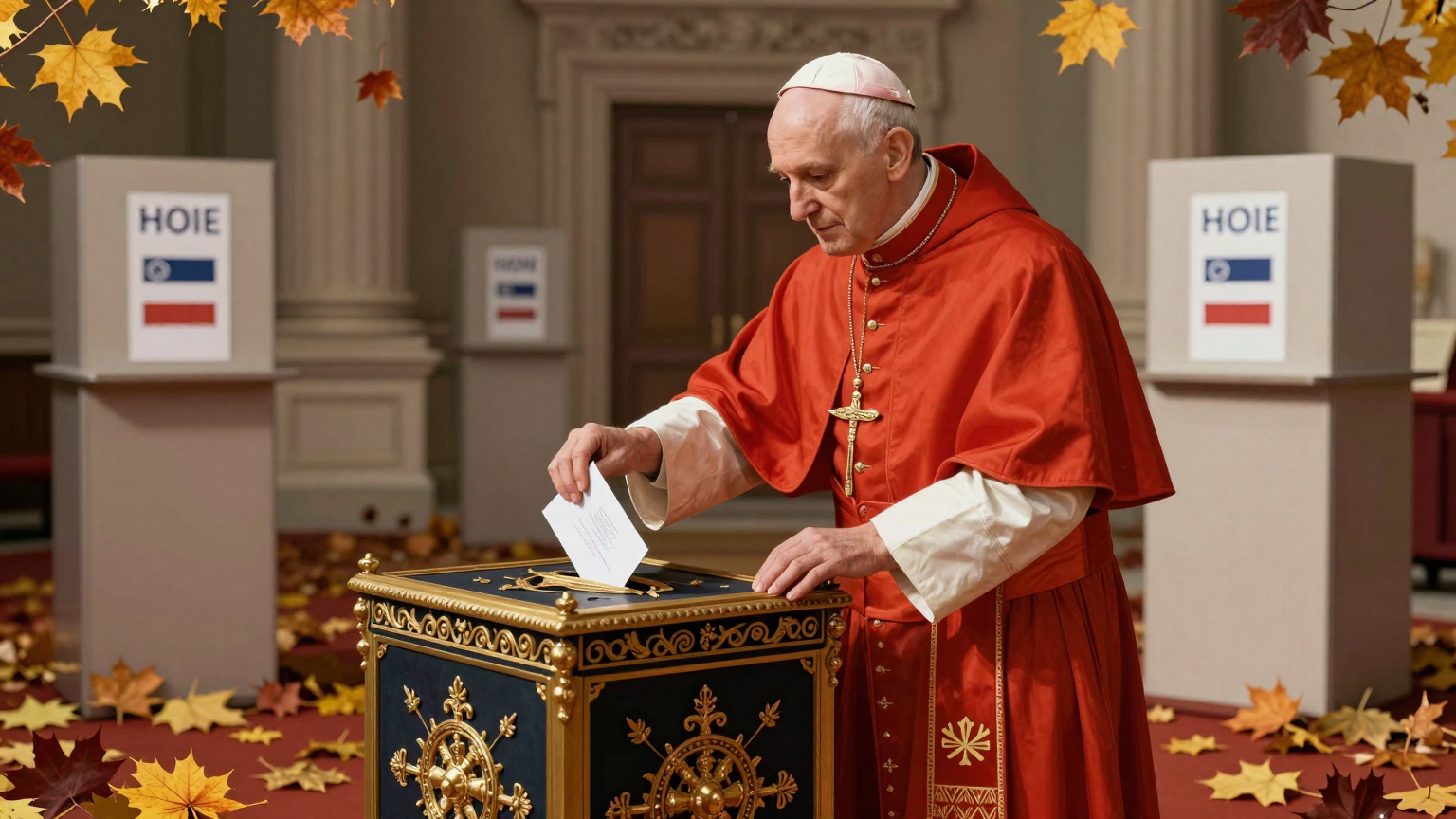
In a historic moment, Pope Leo XIV has become the first pontiff to cast a vote in a United States general election, marking a unique intersection of religious leadership and democratic participation. According to reports, Pope Leo XIV, formerly known as Robert Prevost, submitted a mail-in ballot from the Vatican to participate in the 2026 midterm elections, specifically casting his vote in Chicago 3. This development highlights the increasingly global nature of American politics and the personal connections many Americans have to their country's institutions, even when they hold high offices in other nations.
The decision to vote in the midterms was preceded by Pope Leo XIV requesting an absentee ballot on October 3rd, allowing him to exercise his right as a citizen despite his residence in Vatican City 4. This move underscores the flexibility and adaptability of the electoral system, which accommodates voters regardless of their location. It also reflects the personal choices of Pope Leo XIV, who has shown a consistent interest in American politics over the years, having participated in both primary and general elections since 2000 3.
Pope Leo XIV's voting record reveals a pattern of engagement with the political process, including casting ballots in Republican primaries in 2012, 2014, and 2016, as well as alternating between Democratic and Republican parties in five primary elections since 2000 4. This demonstrates not only his active involvement in American politics but also his willingness to support different political parties, reflecting a nuanced approach to political affiliation. His participation in every general election since 2000, with the exception of 2020 and 2022, further emphasizes his commitment to civic duties 3.
The journey of Pope Leo XIV's ballot from the Vatican to Joliet, Illinois, represents a symbolic connection between two worlds - the spiritual center of the Catholic Church and the heartland of America 4. This physical movement of the ballot serves as a tangible reminder of the interconnectedness of global communities and the shared values that transcend national borders.
What we know
- Pope Leo XIV is the first pope to vote in a U.S. general election 123456
- He was previously known as Robert Prevost 25
- He cast a mail-in ballot in Chicago for the 2026 midterm elections 3
- He requested an absentee ballot on October 3rd 4
- He is the first American pope to vote in a U.S. election 4
- He voted in Republican primaries in 2012, 2014, and 2016 4
- He voted in five primary elections since 2000, alternating between Democratic and Republican ballots 3
- He participated in every general election since 2000 except 2020 and 2022 3
- His ballot will travel from Vatican City to Joliet, Illinois 4
Verification report
Likely accurate — probability of truth 71%, weighted across 11 claims from 6 independent outlets.
- confirmed Pope Leo XIV is the first pope to vote in a U.S. general election. (85%)
- likely Pope Leo XIV was previously known as Robert Prevost. (71%)
- likely Pope Leo XIV cast a mail-in ballot in Chicago for the 2026 midterm elections. (71%)
- likely Pope Leo XIV requested an absentee ballot to vote in the midterms. (71%)
- likely Pope Leo XIV is the first American pope to vote in a U.S. election. (71%)
- likely Pope Leo XIV voted in Republican primaries in 2012, 2014, and 2016. (71%)
- likely Pope Leo XIV voted in five primary elections since 2000, alternating between Democratic and Republican ballots. (71%)
- likely Pope Leo XIV participated in every general election since 2000 except 2020 and 2022. (71%)
- unverified Pope Leo XIV is a United States citizen. (50%)
- likely The request for the absentee ballot was made on October 3rd. (71%)
- likely Pope Leo XIV's ballot will travel from Vatican City to Joliet, Illinois. (71%)
Sources
- WFAA (Texas) — Pope Leo XIV has become the first pope in history to vote in a US general election
https://www.wfaa.com/article/news/nation-world/pope-leo-xiv-election-2026-united-states/507-401ee455-9b5f-4750-b736-e3de4dd79444 - WKYC (Ohio) — Pope Leo XIV has become the first pope in history to vote in a US general election
https://www.wkyc.com/article/news/nation-world/pope-leo-xiv-election-2026-united-states/507-401ee455-9b5f-4750-b736-e3de4dd79444 - ABC News — Pope Leo XIV has become the first pope in history to vote in a US election
https://abcnews.com/International/wireStory/pope-leo-xiv-become-pope-history-vote-us-137704157 - NBC News — Pope Leo requested an absentee ballot in Illinois to vote in the midterms
https://www.nbcnews.com/politics/2026-election/pope-leo-requested-absentee-ballot-illinois-vote-midterms-rcna606468 - 10TV (Columbus) — Pope Leo XIV has become the first pope in history to vote in a US general election
https://www.10tv.com/article/news/nation-world/pope-leo-xiv-election-2026-united-states/507-401ee455-9b5f-4750-b736-e3de4dd79444 - KVUE (Austin) — Pope Leo XIV has become the first pope in history to vote in a US general election
https://www.kvue.com/article/news/nation-world/pope-leo-xiv-election-2026-united-states/507-401ee455-9b5f-4750-b736-e3de4dd79444