Native American Women Make History in Tribal, State, and Federal Elections
Peggy Flanagan, Deb Haaland, and Crystalyne Curley have all broken barriers, becoming the first Native American women to hold significant leadership roles.
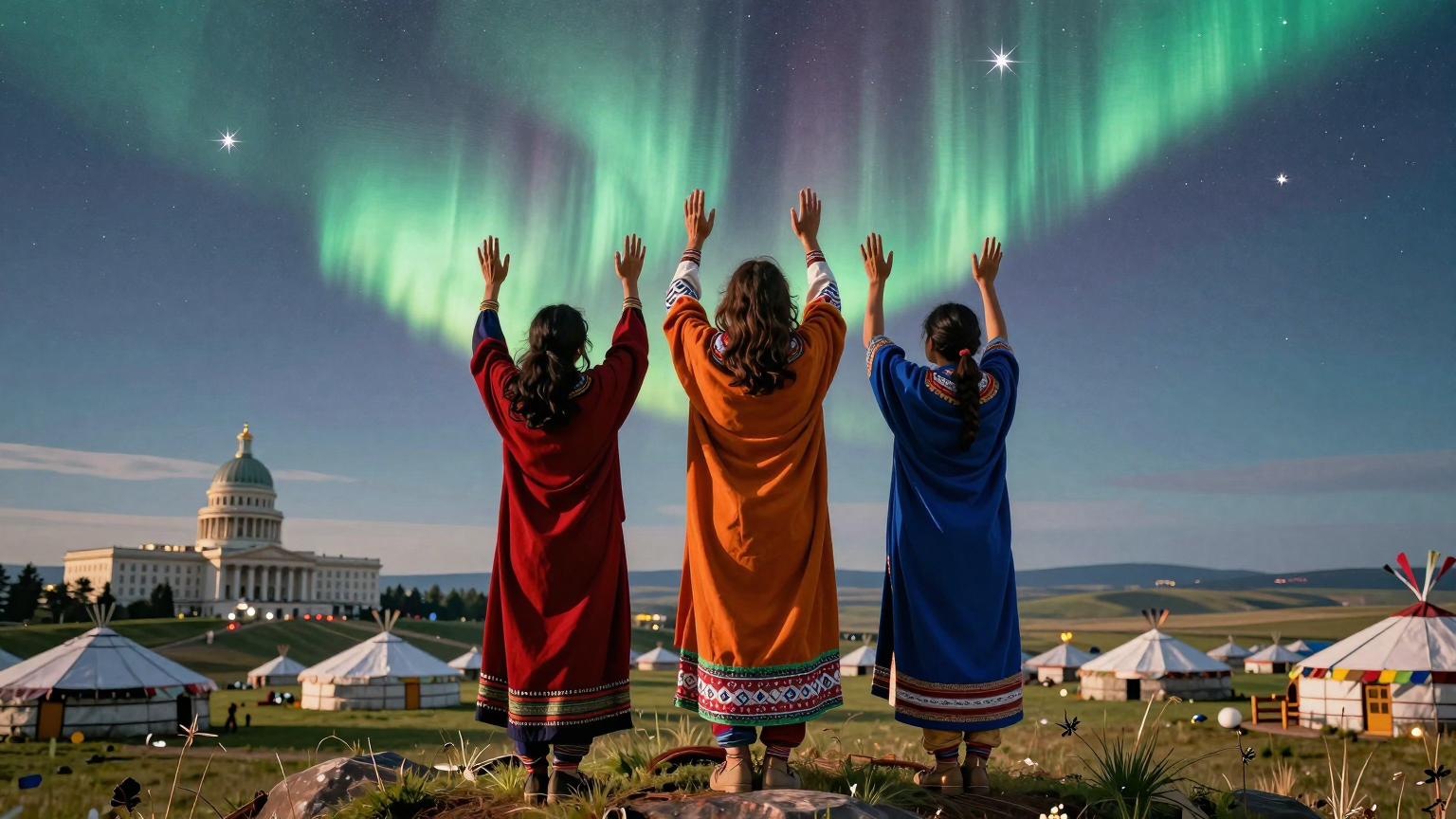
In a landmark year for Native American representation, Peggy Flanagan was elected as the first Native American woman to the U.S. Senate, marking a historic moment in American politics 123. Meanwhile, Deb Haaland achieved a similar milestone by becoming the first Native American woman to win a state governorship, setting a new standard for political leadership 123. Additionally, Crystalyne Curley ascended to the top position within the Navajo Nation, making her the first Native American woman to lead this expansive territory, which covers approximately 27,000 square miles across parts of New Mexico, Arizona, and Utah 12323.
The significance of these achievements extends beyond individual success stories. They represent a broader trend of increasing Native American participation in governance at various levels. For instance, Tina Abrams is reportedly the first woman to lead the Seneca Nation of Indians in modern history, further diversifying the landscape of Native American leadership 2. Moreover, there is a possibility that Mary Peltola could join Flanagan in the U.S. Senate if she secures victory in her race in Alaska, potentially doubling the number of Native American women in this prestigious body 2.
This surge in Native American representation is not limited to just a few individuals. According to reports, at least 75 Native women or non-binary and Two Spirit candidates were elected in the recent November midterms, showcasing a growing trend towards inclusivity and diversity in American politics 2. Furthermore, the number of Indigenous candidates running for office reached a record high of 363 in 2023, indicating a robust pipeline of talent ready to take on leadership roles across local, state, and federal levels 2.
Claire Valdez, a citizen of Ysleta del Sur Pueblo, is set to join Sharice Davids in the U.S. House of Representatives, adding another layer of diversity to the legislative branch 2. These developments highlight the increasing visibility and influence of Native American voices in American politics.
What we know
- Peggy Flanagan was the first Native American woman elected to the U.S. Senate. 123
- Deb Haaland was the first Native American woman to win a state governorship. 123
- Crystalyne Curley was the first Native American woman to lead the Navajo Nation. 123
- The Navajo Nation spans approximately 27,000 square miles across parts of New Mexico, Arizona, and Utah. 23
- Tina Abrams was reportedly the first woman to lead the Seneca Nation of Indians in modern history. 2
- Mary Peltola could become another first Native woman in the US Senate if she wins her race in Alaska. 2
- At least 75 Native women or non-binary and Two Spirit candidates were elected in the November midterms. 2
- A record-setting 363 Indigenous candidates ran for office in local, state, and federal elections in 2023. 2
- Claire Valdez will join Sharice Davids in the US House of Representatives. 2
- The Navajo Nation's government has been led by men since its establishment over a century ago. 3
Trust Score report
Likely accurate — probability of truth 78%, weighted across 10 claims from 3 independent outlets.
- confirmed Peggy Flanagan was the first Native American woman elected to the U.S. Senate. (86%)
- confirmed Deb Haaland was the first Native American woman to win a state governorship. (86%)
- confirmed Crystalyne Curley was the first Native American woman to lead the Navajo Nation. (86%)
- confirmed The Navajo Nation spans approximately 27,000 square miles across parts of New Mexico, Arizona, and Utah. (85%)
- likely Tina Abrams was the first woman to lead the Seneca Nation of Indians in modern history. (71%)
- likely Mary Peltola could join Peggy Flanagan as another first Native woman in the US Senate if she wins her race in Alaska. (71%)
- likely At least 75 Native women or non-binary and Two Spirit candidates were elected in the November midterms. (71%)
- likely A record-setting 363 Indigenous candidates ran for office in local, state, and federal elections in 2023. (71%)
- likely Claire Valdez, a citizen of Ysleta del Sur Pueblo, will join Sharice Davids in the US House of Representatives. (71%)
- likely The Navajo Nation's government has been led by men since its establishment over a century ago. (71%)
Sources
- PBS NewsHour — Native American women made history in tribal, state and federal elections
https://www.pbs.org/newshour/politics/native-american-women-made-history-in-tribal-state-and-federal-elections - The Guardian US Politics — ‘Seismic shift’: Native American women made significant gains in US midterms
https://www.theguardian.com/us-news/2026/nov/08/native-american-women-midterm-elections - ABC News — Native American women made history in tribal, state and federal elections
https://abcnews.com/Politics/wireStory/native-american-women-made-history-tribal-state-federal-137952127