Russia Fires North Korean Missiles in Attack on Ukraine
The latest assault on Kyiv includes the use of North Korean-made weaponry, causing widespread disruption.
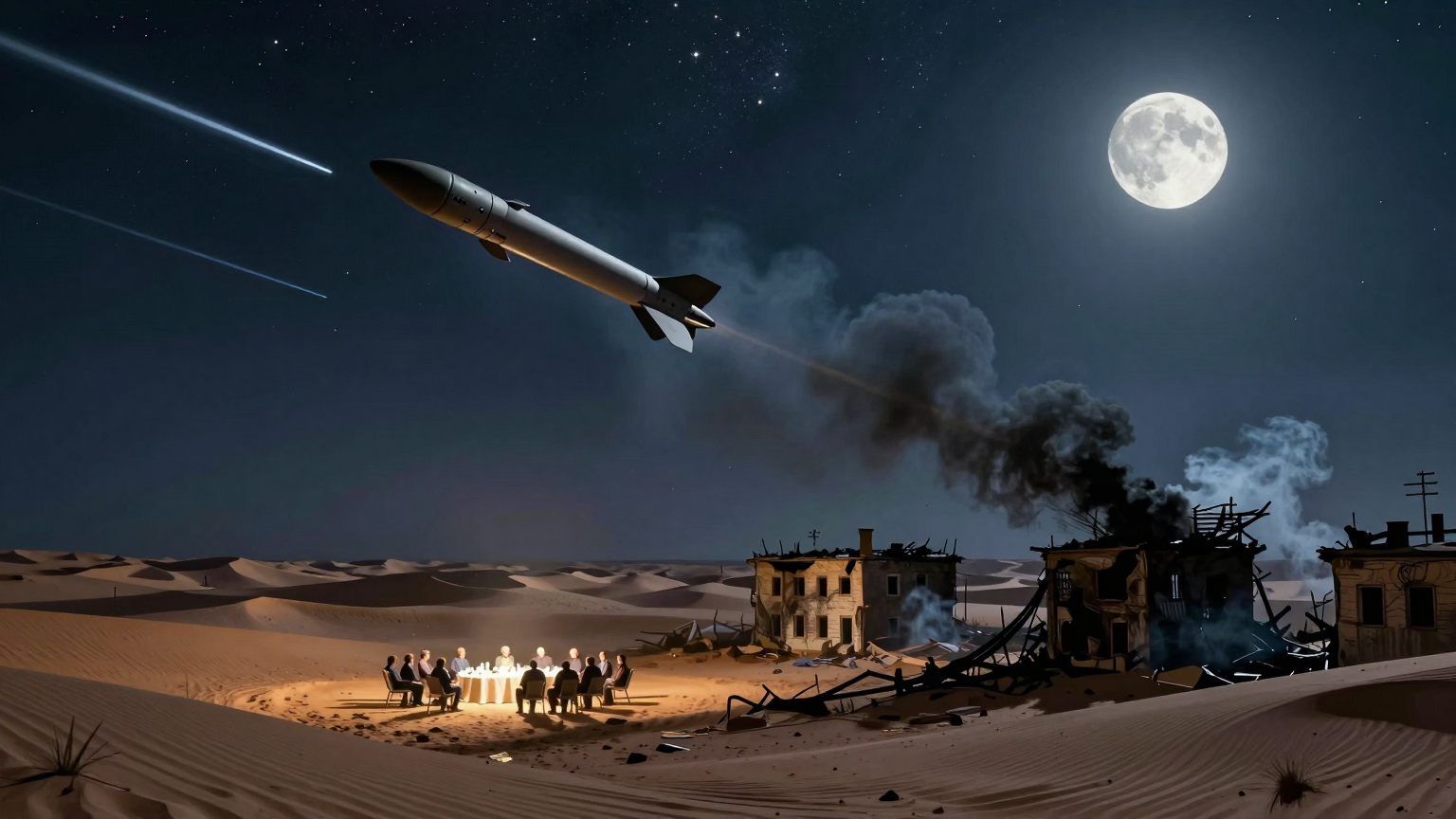
Russia has launched a fresh wave of attacks on Kyiv and its vicinity, deploying North Korean KN-23 missiles among other armaments, marking a notable shift in the arsenal used against Ukraine. This development comes amidst ongoing military operations and adds a new layer to the strategic landscape of the conflict.
According to reports, Russia’s most recent offensive involved 172 drones and 36 ballistic missiles, striking Kyiv and surrounding areas with precision. The use of North Korean-made missiles, likely sourced from Russia’s ally, underscores the evolving nature of the war and the complex international relationships at play. This deployment of advanced weaponry highlights the continued intensity and sophistication of Russia’s military strategy in Ukraine.
The impact of these attacks has been significant, with the Northern Bridge in Kyiv being closed for repairs following the bombardment. Additionally, a bridge over the Dnipro River was also shut down due to damage sustained during the assault. These closures have disrupted essential transportation routes, affecting both civilian and military movements within the region.
Moreover, the attacks targeted substations in five different regions, including one crucial link between two nuclear power plants and Kyiv. This targeting of critical infrastructure has led to prolonged power outages and water supply disruptions for Kyiv residents, adding to the hardships faced by the local population. The damage to homes, commercial properties, and infrastructure further exacerbates the challenges in recovery and daily life for those affected.
However, there is some uncertainty regarding the human toll of these attacks. While initial reports suggested injuries to several individuals, including a 14-year-old girl, subsequent accounts have cast doubt on these figures. Conflicting information exists about the exact number of casualties, with some sources indicating one death and eight injuries, while others report at least nine injuries or as few as two. These discrepancies highlight the need for further verification and investigation into the precise impact on civilians.
What we know
- - Russia conducted air strikes on Kyiv and surrounding areas. 12345
- - Russia utilized 172 drones and 36 ballistic missiles in its most recent attack on Kyiv and nearby areas. 146
- - The Northern Bridge in Kyiv was closed for repairs following the attacks. 14
- - Attacks targeted substations in five regions, including one linking two nuclear power plants to Kyiv. 1
- - Kyiv residents have endured long-term power outages and water supply disruptions this past week. 1
- - Some of the missiles used were North Korean made. 4
- - Attacks caused damage to homes, commercial properties, and infrastructure, leading to power and water outages. 4
- - A bridge over the Dnipro River was closed as a result of the attack. 3
What remains unclear
Trust Score report
Partly unverified — probability of truth 62%, weighted across 12 claims from 6 independent outlets. Since the first report: 66% → 62%, outlets 3 → 6.
- confirmed Russia conducted air strikes on Kyiv and surrounding areas. (97%)
- confirmed Russia utilized 172 drones and 36 ballistic missiles in its most recent attack on Kyiv and nearby areas. (92%)
- confirmed The Northern Bridge in Kyiv, a significant transportation route, was closed for repairs following the attacks. (86%)
- likely The attacks targeted substations in five regions, including one linking two nuclear power plants to Kyiv. (72%)
- likely Kyiv residents have endured long-term power outages and water supply disruptions this past week. (72%)
- likely Some of the missiles used were North Korean made. (71%)
- likely The attacks caused damage to homes, commercial properties, and infrastructure, leading to power and water outages. (71%)
- likely A bridge over the Dnipro River was closed as a result of the attack. (71%)
- disputed Five individuals were injured in the attacks, including a 14-year-old girl. (35%)
- disputed One person died and eight were injured in the attack. (18%)
- disputed At least nine people were injured in the attack. (16%)
- disputed Two people were injured in the attack. (7%)
Sources
- The Guardian — Blackouts and water shortages in Kyiv after Russia strikes Ukraine’s energy grid
https://www.theguardian.com/world/2026/nov/07/blackout-water-shortage-kyiv-russia-strike-ukraine-energy-grid - Deutsche Welle — Ukraine: Russia hits Kyiv with air strikes ahead of trilateral talks
https://www.dw.com/en/ukraine-russia-hits-kyiv-with-air-strikes-ahead-of-trilateral-talks/a-79883851?maca=en-rss-en-all-1573-rdf - France 24 — Russia launches massive strike on Kyiv
https://www.france24.com/en/video/20261107-russia-launches-massive-strike-on-kyiv-1 - ABC News — Missiles target Kyiv and injure 5 as Ukraine prepares for talks with Russia and the US
https://abcnews.com/International/wireStory/missiles-target-kyiv-injure-5-ukraine-prepares-talks-137937211 - Al Jazeera — Russia launches missile attack on Kyiv, injuring residents
https://www.aljazeera.com/news/2026/11/7/russia-launches-missile-attack-on-kyiv-injuring-residents?traffic_source=rss - Defence Blog — Russia fires North Korean KN-23 missiles at Ukraine
https://defence-blog.com/russia-fires-north-korean-kn-23-missiles-at-ukraine/