Key Moments from the 2026 US Midterm Elections Revealed
The 2026 US midterm elections saw millions of Americans cast their votes, with several governor seats changing hands and significant races in states like Michigan and Texas.
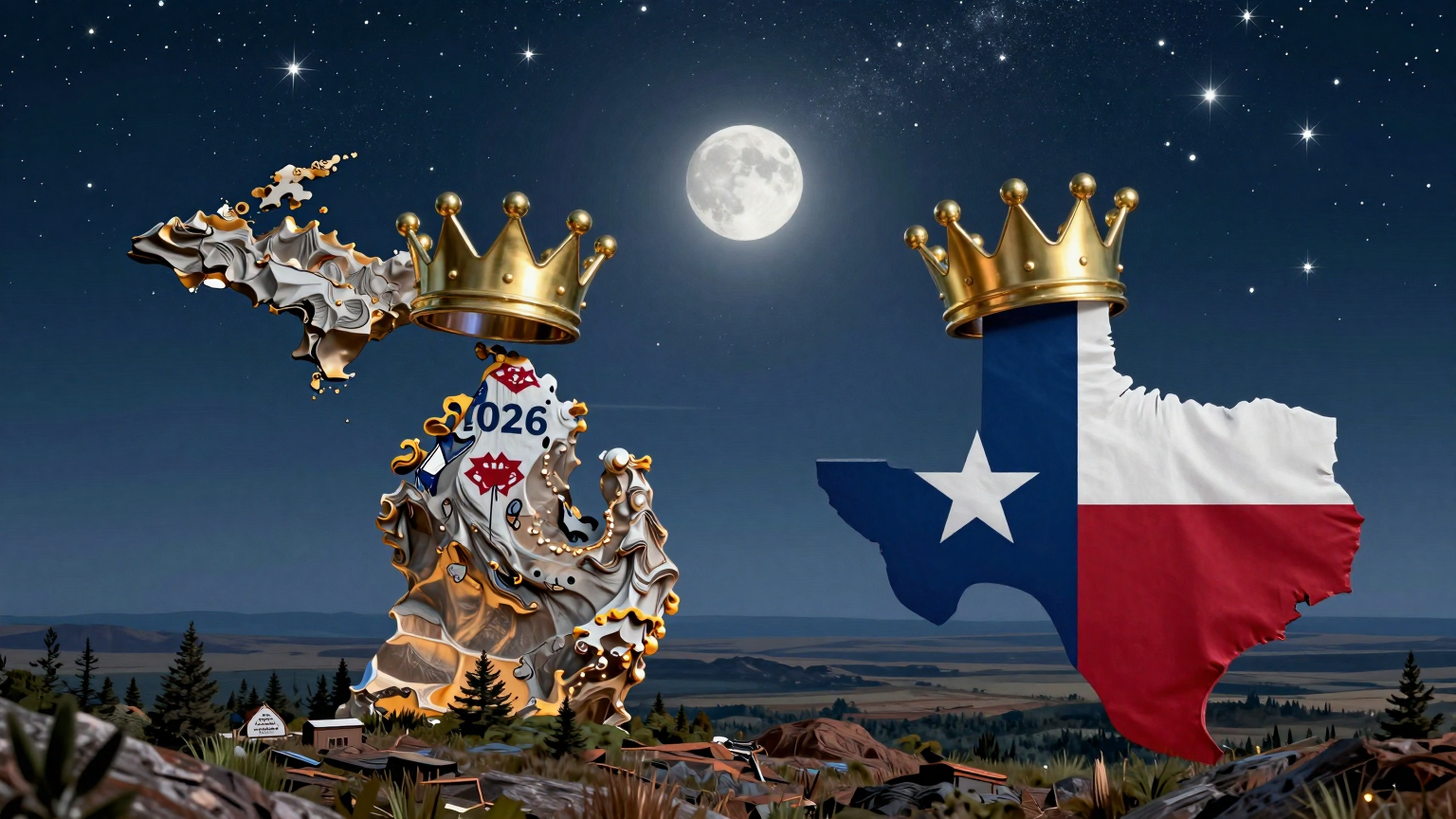
The 2026 US midterm elections took place, marking another pivotal moment in American politics where citizens had the opportunity to shape the future of their government. 123
These elections were not just routine; they held substantial weight in determining the balance of power within Congress, a critical factor for the direction of national policy and governance. 3
Millions of Americans participated in the voting process, reflecting the enduring engagement of the electorate in shaping their nation's political landscape. 1
Several governor seats changed hands as a result of the election, indicating shifts in regional leadership and potentially influencing local policies and initiatives. 1
This election was also seen as a significant test for former President Donald Trump’s influence on the current political scene, with his active campaigning for Republican candidates in several states highlighting his continued role in party strategy and voter mobilization. 23
Democrats faced a challenging path to shift the balance of power in Congress, needing to secure four additional Senate seats to achieve this goal. 3
Vice President JD Vance holds the tie-breaking vote in the Senate, adding an extra layer of intrigue to the potential outcomes of the midterm elections. 3
With 35 Senate seats in play, the race was closely watched, especially in states such as Michigan, Texas, Alaska, Ohio, and Kansas, which boasted particularly competitive contests. 3
Republicans currently hold 53 Senate seats, while Democrats hold 45, making the upcoming races crucial for both parties. 3
In the House of Representatives, Democrats needed to gain at least three seats to alter the balance of power, with the Republican caucus currently holding 220 seats and Democrats having 215. 3
There were 14 House races rated as toss-ups, making these contests vital for determining the overall control of the chamber. 3
Beyond the traditional political stakes, several female gubernatorial nominees stood poised to make history if elected. For instance, Gina Hinojosa could become the first Latina governor if she wins in Texas, while Deb Haaland would be the first Native American woman to serve as a governor if she secures victory in New Mexico. Keisha Lance Bottoms could also become Georgia's first woman governor and the first Black woman to govern any state. 3
Former Presidents Trump and Obama made appearances at rallies to support candidates in competitive races, showcasing the enduring impact of past administrations on current electoral dynamics. 3
What We Know
- The 2026 US midterm elections took place.
- The outcome will determine the balance of power in Congress.
- Millions of Americans participated in the voting process.
- Several governor seats changed hands.
- The election serves as a test for former President Trump's influence.
- Democrats need to win four additional Senate seats to shift the balance of power.
- Vice President JD Vance holds the tie-breaking vote in the Senate.
- President Trump is campaigning for Republican candidates in several states.
- There are 35 Senate seats in play during the 2026 midterms.
- Republicans hold 53 Senate seats, while Democrats hold 45.
- Michigan, Texas, Alaska, Ohio, and Kansas have particularly competitive Senate races.
- Democrats need to gain at least three seats in the House to shift the balance of power.
- The Republican caucus currently holds 220 seats in the House, while Democrats have 215.
- There are 14 House races rated as toss-ups that are crucial for determining the balance of power.
- Several female gubernatorial nominees could break barriers if elected.
- Gina Hinojosa could become the first Latina governor if she wins in Texas.
- Deb Haaland would be the first Native American woman to serve as a governor if she wins in New Mexico.
- Keisha Lance Bottoms could become Georgia's first woman governor and the first Black woman to govern any state.
- Amy Acton is running against Vivek Ramaswamy for Ohio's governor position.
- Former Presidents Trump and Obama have made appearances at rallies to boost candidates in competitive races.
Trust Score report
Likely accurate — probability of truth 68%, weighted across 24 claims from 3 independent outlets.
- confirmed The 2026 US midterm elections took place. (94%)
- likely The outcome of these elections will determine the balance of power in Congress. (71%)
- unverified Democrats won control of both the House of Representatives and the Senate. (53%)
- unverified The outcome of these elections may result in the Republican Party losing control of Congress. (47%)
- unverified Republicans currently control both chambers of Congress. (47%)
- likely Millions of Americans participated in the voting process. (73%)
- likely Several governor seats changed hands as a result of the election. (73%)
- likely This election is considered significant as it serves as a test for former President Trump's influence on the current political landscape. (71%)
- likely Democrats need to win four additional Senate seats to shift the balance of power. (71%)
- likely Vice President JD Vance holds the tie-breaking vote in the Senate. (71%)
- likely President Trump is campaigning for Republican candidates in several states. (71%)
- likely There are 35 Senate seats in play during the 2026 midterms. (71%)
- likely Republicans hold 53 Senate seats, while Democrats hold 45. (71%)
- likely Michigan, Texas, Alaska, Ohio, and Kansas have particularly competitive Senate races. (71%)
- likely Democrats need to gain at least three seats in the House to shift the balance of power. (71%)
- likely The Republican caucus currently holds 220 seats in the House, while Democrats have 215. (71%)
- likely There are 14 House races rated as toss-ups that are crucial for determining the balance of power. (71%)
- likely Several female gubernatorial nominees could break barriers if elected. (71%)
- likely Gina Hinojosa could become the first Latina governor if she wins in Texas. (71%)
- likely Deb Haaland would be the first Native American woman to serve as a governor if she wins in New Mexico. (71%)
- likely Keisha Lance Bottoms could become Georgia's first woman governor and the first Black woman to govern any state. (71%)
- likely Amy Acton is running against Vivek Ramaswamy for Ohio's governor position. (71%)
- likely Former Presidents Trump and Obama have made appearances at rallies to boost candidates in competitive races. (71%)
- unverified Americans are voting in midterm elections on Tuesday. (47%)
Sources
- BBC US & Canada — Watch: Key moments from the US midterm election results
https://www.bbc.co.uk/news/videos/cq3dj7xn2xvko?at_medium=RSS&at_campaign=rss - Al Jazeera — US midterm voting begins in high-stakes test of Trump’s presidency
https://www.aljazeera.com/video/newsfeed/2026/11/3/us-midterm-voting-begins-in-high-stakes-test-of-trumps-presidency?traffic_source=rss - ABC News — High-stakes midterms are test for future of Congress and Trump's presidency
https://abcnews.com/Politics/high-stakes-midterm-elections-test-future-congress-trumps-presidency/story?id=137688146