Indonesia's September Fires Claim 3,560 Lives Due to Pollution
A report indicates that fire pollution in Indonesia led to 3,560 deaths in September, with drought and El Niño playing significant roles.
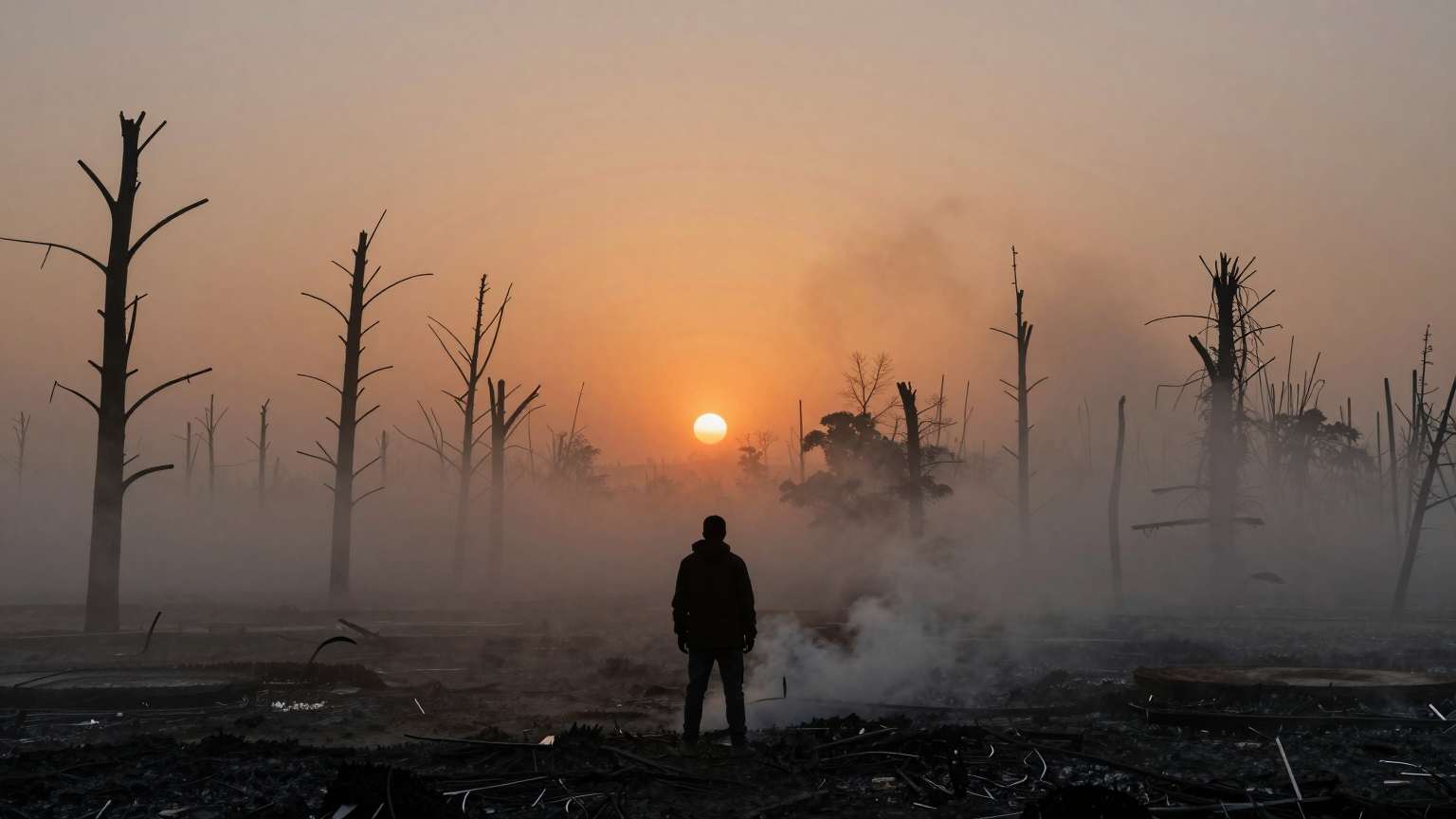
In a stark reminder of the devastating impact of environmental factors on human health, a recent report has highlighted that fire pollution in Indonesia claimed 3,560 lives in September alone 23. This grim statistic underscores the severe consequences of prolonged wildfires, which have been exacerbated by drought conditions brought on by El Niño 23.
The report also notes that nonfire pollution from urban power generation, industry, and transportation added another 1,750 deaths to the toll in September 23. This highlights the dual threat posed by both natural and man-made pollutants to public health in Indonesia.
Government efforts to combat the crisis included deploying over 72,000 people for cloud-seeding and firefighting operations, alongside the activation of over 2,100 medical personnel and the distribution of 5.3 million masks 23. These measures reflect the comprehensive approach taken by authorities to address both immediate safety concerns and long-term health impacts.
Amidst the struggle against the fires, there was a moment of celebration when rain fell, providing much-needed relief to firefighters who had been battling the blazes 1. However, the overall situation remained dire, with air pollution levels exceeding World Health Organization (WHO) annual PM2.5 thresholds by over seven times nationally, ten times in Sumatra, and an astounding twenty-four times in Kalimantan 2.
The impact of these high pollution levels was evident in the health statistics, with over 330,000 cases of acute respiratory infections recorded nationwide 2. Furthermore, the area covered by wildfires from January to September reached more than 1.9 million hectares, indicating the extensive scale of the environmental challenge faced by Indonesia 2.
Java, the most populous island in Indonesia, saw between 73% and 80% of its air pollution deaths attributed to nonfire sources, highlighting the significant contribution of urban and industrial activities to the region’s air quality issues 2.
What we know
- The estimated number of deaths due to fire pollution in Indonesia in September was 3,560 23
- Nonfire pollution from urban power generation, industry, and transportation caused an additional 1,750 deaths in September 23
- Drought exacerbated by El Niño contributed to months-long wildfires in Indonesia 23
- Government response included deploying over 72,000 people for cloud-seeding and firefighting, activating over 2,100 medical personnel, and distributing 5.3 million masks 23
- Firefighters celebrated during rain in Indonesia 1
- Air pollution-related deaths in Indonesia increased by 42% in September 3
- Over 330,000 cases of acute respiratory infections were recorded nationwide 2
- Wildfires covered more than 1.9 million hectares in Indonesia from January to September 2
- Air pollution levels exceeded WHO annual PM2.5 thresholds by over seven times nationally, ten times in Sumatra, and twenty-four times in Kalimantan 2
- Java experienced between 73% and 80% of air pollution deaths from nonfire sources 2
Verification report
Likely accurate — probability of truth 73%, weighted across 12 claims from 3 independent outlets.
- confirmed The estimated number of deaths due to fire pollution in Indonesia in September was 3,560. (85%)
- confirmed Nonfire pollution from urban power generation, industry, and transportation caused an additional 1,750 deaths in September. (85%)
- confirmed Drought exacerbated by El Niño contributed to months-long wildfires in Indonesia. (85%)
- confirmed Government response included deploying over 72,000 people for cloud-seeding and firefighting, activating over 2,100 medical personnel, and distributing 5.3 million masks. (85%)
- likely Firefighters celebrated during rain in Indonesia. (73%)
- likely Air pollution-related deaths in Indonesia increased by 42% in September. (71%)
- likely Over 330,000 cases of acute respiratory infections were recorded nationwide. (71%)
- likely Wildfires covered more than 1.9 million hectares in Indonesia from January to September. (71%)
- likely Air pollution levels exceeded WHO annual PM2.5 thresholds by over seven times nationally, ten times in Sumatra, and twenty-four times in Kalimantan. (71%)
- likely Java experienced between 73% and 80% of air pollution deaths from nonfire sources. (71%)
- unverified About 57.8 million people in Indonesia were exposed to unhealthy to hazardous air in September. (50%)
- unverified Total air pollution-related deaths in Indonesia were 5,310 in September. (50%)
Sources
- BBC Science — Firefighters celebrate rain during Indonesia wildfires
https://www.bbc.co.uk/news/videos/cm93zere04plo?at_medium=RSS&at_campaign=rss - Phys.org — Fire pollution killed 3,560 people in Indonesia in September: Report
https://phys.org/news/2026-10-pollution-people-indonesia-september.html - Al Jazeera — Smoke from wildfires killed 3,500 people in Indonesia in September: Report
https://www.aljazeera.com/news/2026/10/30/smoke-from-wildfires-killed-3500-people-in-indonesia-in-september-report?traffic_source=rss