GM Expands Recall to Include Non-Electric Models, Affects Over 67,000 Cadillacs and Chevrolets
General Motors has expanded its recall to include non-electric vehicles, impacting over 67,000 Cadillacs and Chevrolets due to a potential brake failure issue.
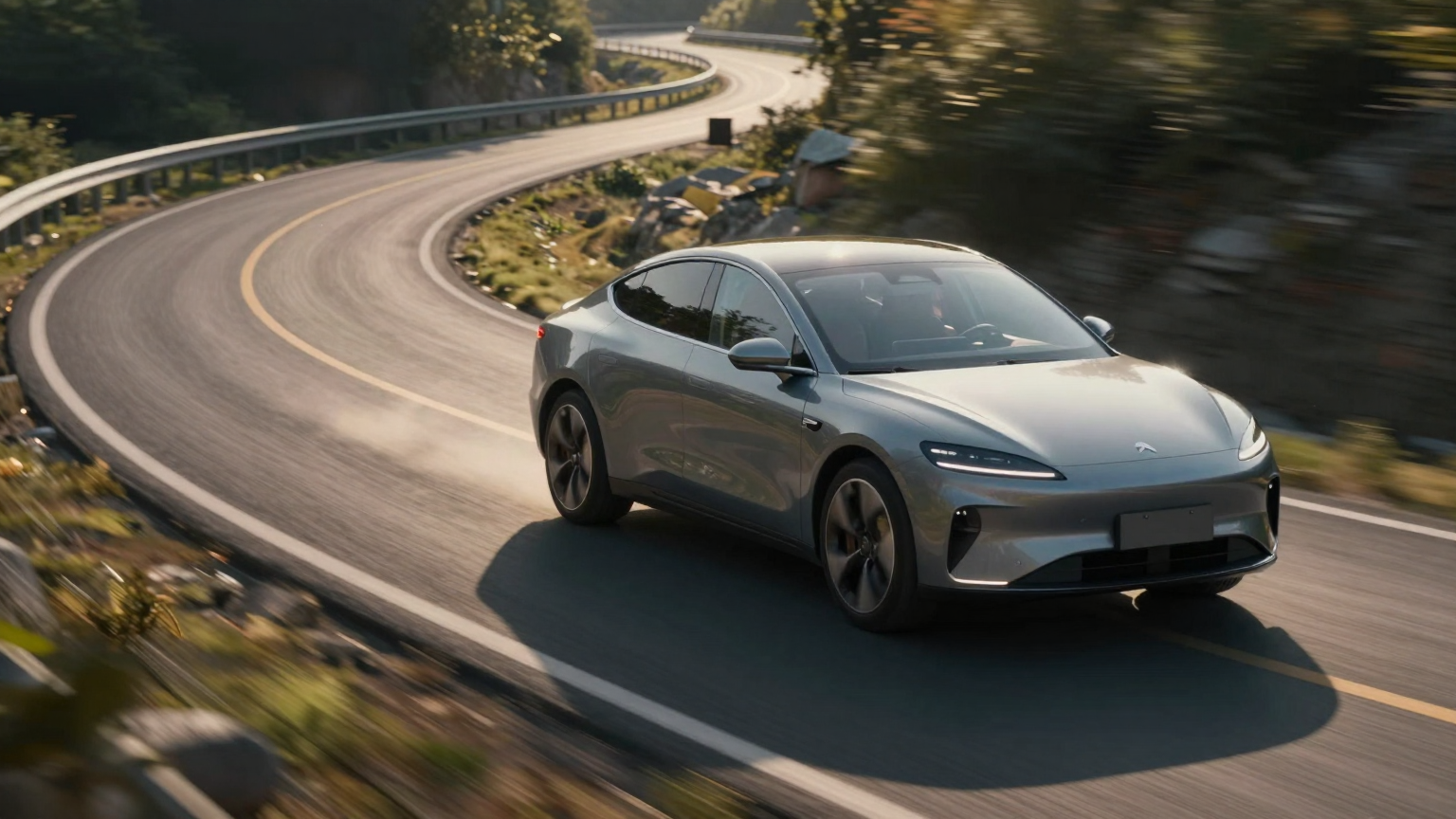
General Motors has expanded its recall to encompass more than just electric vehicles, now affecting over 67,000 Cadillacs and Chevrolets due to a potential brake failure issue. This marks a significant shift from the initial report, which had suggested the recall was limited to electric models. The problem stems from a glitch in the brake system control module (BSCM), which can lead to a temporary loss of braking capability under certain driving conditions, such as when a driver lightly taps the brakes during a sharp turn and the vehicle encounters a bump. This misinterpretation of wheel movement by the software can result in a dangerous situation where the car loses its ability to brake effectively.
The issue was first identified through a report made to GM’s Speak Up for Safety program on April 10, 2026, concerning a 2024 Cadillac Lyriq. Following this, GM investigated further and found 24 field complaints related to the same issue, with 20 of these resulting in minor accidents and two causing minor injuries. This highlights the importance of addressing the problem promptly to ensure the safety of all drivers involved.
While the majority of the affected vehicles are indeed electric models, such as the 2023-2027 Cadillac Lyriq, 2025-2026 Cadillac Celestiq, 2026-2027 Cadillac Vistiq, and 2024-2027 Chevrolet Blazer EV, the inclusion of non-electric vehicles in the recall underscores the widespread nature of the issue. GM plans to address the problem either through an over-the-air software update or by having dealers perform the necessary repairs, both options available at no cost to the vehicle owners.
Owner notification letters will be sent out on December 14, 2026, allowing owners to take prompt action to ensure their vehicles are safe and up-to-date. This comprehensive approach to the recall demonstrates GM’s commitment to maintaining high standards of safety and reliability for its customers.
What we know
- General Motors is recalling over 67,000 vehicles. 123456
- The recalled vehicles include Cadillac and Chevrolet models. 123456
- The issue involves a problem with the brake system. 123456
- The problem could cause the vehicles to lose their braking capability while being driven. 123456
- The issue was identified after a 2024 Cadillac Lyriq incident reported to GM's Speak Up for Safety program on April 10, 2026. 3
- GM discovered 24 field complaints related to this issue, with 20 resulting in minor accidents and two involving minor injuries. 3
- The problem occurs when drivers lightly tap the brakes during a sharp turn and the vehicle hits a bump. 3
- GM plans to fix the issue with an over-the-air software update or through a dealer, at no cost to the owners. 36
- Owner notification letters will be mailed on December 14, 2026. 3
Trust Score report
Likely accurate — probability of truth 83%, weighted across 12 claims from 6 independent outlets. Since the first report: 72% → 83%, outlets 2 → 6.
- confirmed General Motors is recalling over 67,000 vehicles. (93%)
- confirmed The recalled vehicles include Cadillac and Chevrolet models. (93%)
- confirmed The issue involves a problem with the brake system. (93%)
- confirmed The problem could cause the vehicles to lose their braking capability while being driven. (93%)
- likely The affected vehicles are electric. (85%)
- likely GM plans to fix the issue with an over-the-air software update or through a dealer, at no cost to the owners. (85%)
- likely The recall involves specific models such as 2023-2027 Cadillac Lyriq, 2025-2026 Cadillac Celestiq, 2026-2027 Cadillac Vistiq, and 2024-2027 Chevrolet Blazer EV. (71%)
- likely A software glitch in the brake system control module (BSCM) can cause a temporary loss of braking under certain driving conditions. (71%)
- likely The issue was identified after a 2024 Cadillac Lyriq incident reported to GM's Speak Up for Safety program on April 10, 2026. (71%)
- likely GM discovered 24 field complaints related to this issue, with 20 resulting in minor accidents and two involving minor injuries. (71%)
- likely The problem occurs when drivers lightly tap the brakes during a sharp turn and the vehicle hits a bump, leading to a misinterpretation of wheel movement by the software. (71%)
- likely Owner notification letters will be mailed on December 14, 2026. (71%)
Sources
- WFAA (Texas) — GM recalls 67,000 Cadillac, Chevy vehicles that can lose the ability to brake while driving
https://www.wfaa.com/article/news/nation-world/gm-recalls-67000-cadillac-chevy-cars-braking/507-4fdbf79e-9a4d-4c38-b022-dc5bfdf17fb6 - WKYC (Ohio) — GM recalls 67,000 Cadillac, Chevy vehicles that can lose the ability to brake while driving
https://www.wkyc.com/article/news/nation-world/gm-recalls-67000-cadillac-chevy-cars-braking/507-4fdbf79e-9a4d-4c38-b022-dc5bfdf17fb6 - Electrek — GM is recalling more than 67,000 Cadillac and Chevy EVs over a brake software defect
https://electrek.co/2026/11/04/gm-recalls-67000-cadillac-chevy-evs-over-brake-software-defect/ - KVUE (Austin) — GM recalls 67,000 Cadillac, Chevy vehicles that can lose the ability to brake while driving
https://www.kvue.com/article/news/nation-world/gm-recalls-67000-cadillac-chevy-cars-braking/507-4fdbf79e-9a4d-4c38-b022-dc5bfdf17fb6 - 10TV (Columbus) — GM recalls 67,000 Cadillac, Chevy vehicles that can lose the ability to brake while driving
https://www.10tv.com/article/news/nation-world/gm-recalls-67000-cadillac-chevy-cars-braking/507-4fdbf79e-9a4d-4c38-b022-dc5bfdf17fb6 - Motor1 — GM Recalls 67,000 Chevy Blazer EVs And Cadillac Lyriqs Over Dangerous Brake Issue
https://www.motor1.com/news/814525/gm-recalls-blazer-cadillac-brakes/