G20 Foreign Ministers Scrap 'Family Photo' as Lavrov Crashes Party
The G20 Foreign Ministers' Meeting in Atlanta saw the cancellation of a traditional group photograph due to diplomatic tensions over Russia's participation.
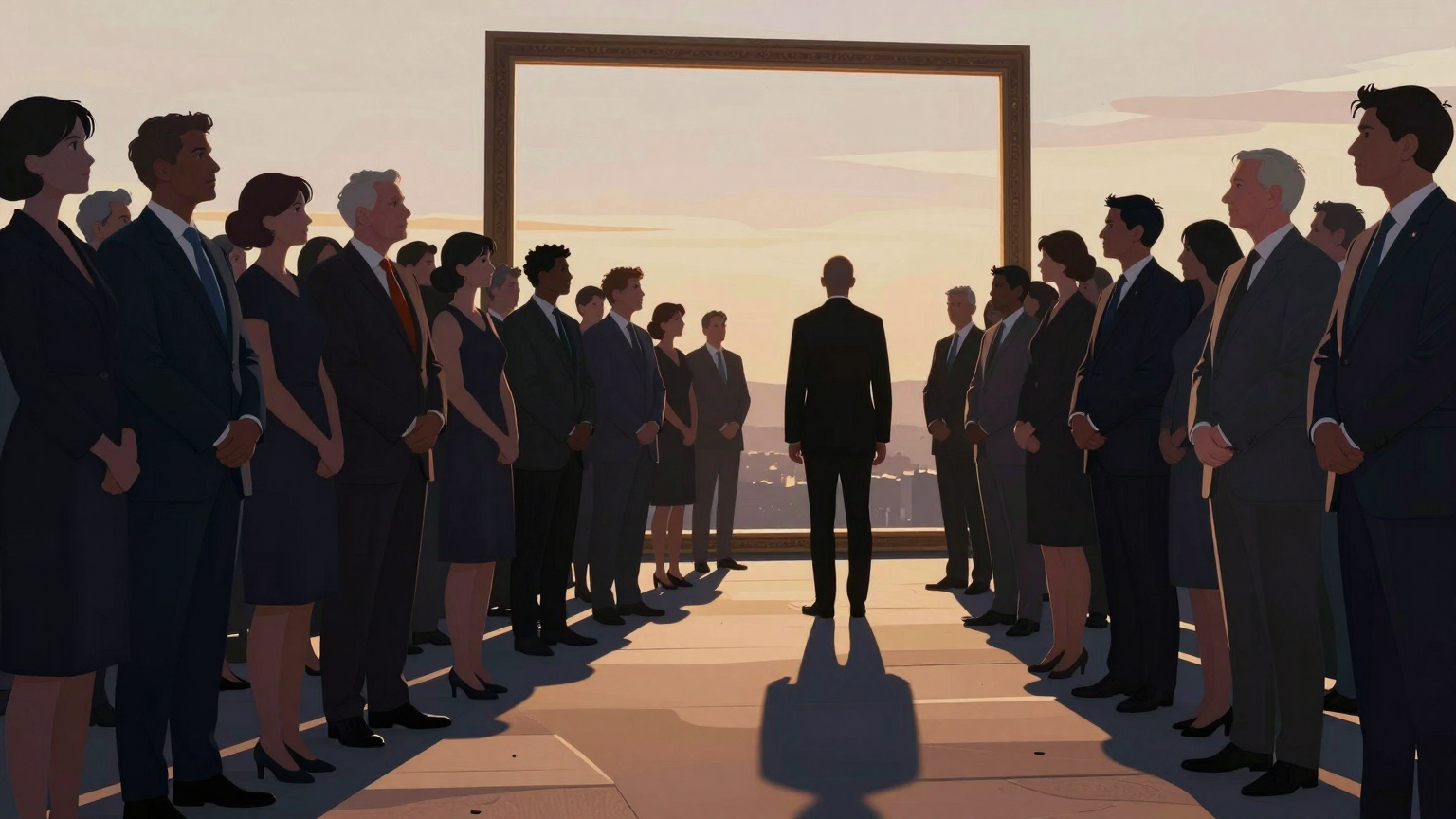
The G20 Foreign Ministers' Meeting, held in Atlanta, witnessed a notable disruption to its usual proceedings as the traditional group photograph was scrapped, largely due to diplomatic objections to Russia's presence. US Secretary of State Marco Rubio, who hosted the event, made the decision to cancel the photograph to avoid a diplomatic distraction and keep the focus on substantive discussions. This move came after some European diplomats refused to stand for an official picture alongside Russia's Foreign Minister, Sergey Lavrov, highlighting the ongoing tensions between Europe and Russia.
Russia's participation in the G20 talks caused tensions among the European delegates, with the UK notably absent from the group photo due to its policy against direct engagement with Russian ministers since the invasion of Ukraine. Despite these tensions, relations between the US and Russia have seen some improvement recently, with President Trump waiving certain sanctions and agreeing to import Russian diesel. However, this development was met with criticism from Ukraine and its European allies, underscoring the complex nature of international relations in the region.
Ukraine, which was not invited to the G20 Foreign Ministers' Meeting, continues to face challenges as Russia maintains control over approximately one-fifth of its territory following the 2022 invasion. Recent weeks have seen Russia intensify its missile and drone attacks on Ukrainian cities, adding urgency to the discussions taking place in Atlanta. The timing of Lavrov's visit was described as critical, with many eyes on the potential for further diplomatic breakthroughs or setbacks.
Other European ministers joined the UK in refusing to be photographed with Russia's envoy, while China will be represented by a deputy foreign minister at the meeting. The main issues under discussion included the Russia-Ukraine conflict, the U.S.-Israeli stance towards Iran, U.S. tariffs, and Chinese activities in the South China Sea. U.S. officials prioritised resolving differences over freedom of navigation in key waterways such as the Strait of Hormuz, Red Sea, Black Sea, and South China Sea. There is also a possibility of new U.S. military intervention in Iran following the midterm elections.
What We Know
- The G20 Foreign Ministers' Meeting took place in Atlanta.
- US Secretary of State Marco Rubio hosted the meeting.
- Sergey Lavrov represented Russia at the G20 talks.
- Some European diplomats refused to stand for an official photo with Russia's Foreign Minister Sergei Lavrov.
- The US decided to cancel the group photo to avoid a diplomatic distraction and maintain focus on substantive discussions.
- Russia's presence at the G20 talks caused tensions.
- Ukraine was not invited to the G20 Foreign Ministers' Meeting.
- The UK did not participate in the group photo due to its policy against direct engagement with Russian ministers since the invasion of Ukraine.
- Relations between the US and Russia have partially improved recently, with Trump waiving some sanctions and agreeing to import Russian diesel.
- Ukraine and its European allies criticised Trump's deal with Putin.
- Russia controls approximately one-fifth of Ukrainian territory following its 2022 invasion.
- Russia has intensified missile and drone attacks on Ukrainian cities recently.
- The visit occurred at a time described as critical.
- Ed Miliband, the UK's Foreign Secretary, refused to be pictured with Russia's envoy Sergei Lavrov.
- Other European ministers also refused to be pictured with Russia's envoy Sergei Lavrov.
- China will be represented by a deputy foreign minister.
- The main issues discussed will include the Russia-Ukraine conflict, U.S.-Israeli war against Iran, U.S. tariffs, and Chinese actions in the South China Sea.
- U.S. officials prioritize resolving differences over freedom of navigation in key waterways like the Strait of Hormuz, Red Sea, Black Sea, and South China Sea.
- There is a possibility of new U.S. military intervention in Iran following the midterm elections.
- The G20 leaders summit will be held in December at President Donald Trump's Miami golf club.
Verification report
Likely accurate — probability of truth 80%, weighted across 20 claims from 6 independent outlets. Since the first report: 75% → 80%, outlets 3 → 6.
- confirmed The G20 Foreign Ministers' Meeting took place in Atlanta. (97%)
- confirmed US Secretary of State Marco Rubio hosted the meeting. (97%)
- confirmed Sergey Lavrov represented Russia at the G20 talks. (97%)
- confirmed Some European diplomats refused to stand for an official photo with Russia's Foreign Minister Sergei Lavrov. (94%)
- confirmed US decided to cancel the group photo to avoid a diplomatic distraction and maintain focus on substantive discussions. (94%)
- likely Russia's presence at the G20 talks caused tensions. (71%)
- confirmed Ukraine was not invited to the G20 Foreign Ministers' Meeting. (87%)
- likely UK did not participate in the group photo due to its policy against direct engagement with Russian ministers since the invasion of Ukraine. (73%)
- likely Relations between the US and Russia have partially improved recently, with Trump waiving some sanctions and agreeing to import Russian diesel. (73%)
- likely Ukraine and its European allies criticized Trump's deal with Putin. (73%)
- likely Russia controls approximately one-fifth of Ukrainian territory following its 2022 invasion. (73%)
- likely Russia has intensified missile and drone attacks on Ukrainian cities recently. (73%)
- likely The visit occurred at a time described as critical. (72%)
- likely Ed Miliband, the UK's Foreign Secretary, refused to be pictured with Russia's envoy Sergei Lavrov. (71%)
- likely Other European ministers also refused to be pictured with Russia's envoy Sergei Lavrov. (71%)
- likely China will be represented by a deputy foreign minister. (71%)
- likely The main issues discussed will include the Russia-Ukraine conflict, U.S.-Israeli war against Iran, U.S. tariffs, and Chinese actions in the South China Sea. (71%)
- likely U.S. officials prioritize resolving differences over freedom of navigation in key waterways like the Strait of Hormuz, Red Sea, Black Sea, and South China Sea. (71%)
- likely There is a possibility of new U.S. military intervention in Iran following the midterm elections. (71%)
- likely The G20 leaders summit will be held in December at President Donald Trump's Miami golf club. (71%)
Sources
- BBC US & Canada — G20 'family photo' cancelled after protests over presence of Russian minister
https://www.bbc.co.uk/news/articles/cmd6dp2y576do?at_medium=RSS&at_campaign=rss - NYT U.S. — Distaste for Lavrov Forces U.S. to Cancel G20 Photo Session in Atlanta
https://www.nytimes.com/2026/10/30/us/politics/lavrov-russia-photo-rubio.html - PBS NewsHour — WATCH: Rubio welcomes G20 foreign ministers to Atlanta at 'critical moment'
https://www.pbs.org/newshour/politics/watch-rubio-welcomes-g20-foreign-ministers-to-atlanta-at-critical-moment - Al Jazeera — Rubio hosts G20 talks as Russia’s Lavrov presence sparks tensions
https://www.aljazeera.com/video/newsfeed/2026/10/30/aje-onl-nf_rubio-hosts-g20-talks-as-russias-lavrov-present-301026?traffic_source=rss - Sky News — G20 photocall axed after Miliband and other ministers refuse to be pictured with top Russian diplomat
https://news.sky.com/story/g20-photocall-cancelled-after-ed-miliband-and-other-foreign-ministers-refuse-to-be-pictured-with-russias-sergei-lavrov-13605874 - ABC News U.S. — G20 diplomats, including from China and Russia, face deep rifts as they prepare to meet in Atlanta
https://abcnews.com/US/wireStory/g20-diplomats-including-china-russia-face-deep-rifts-137695571