European Troops Rehearse Post-War Deployment in Poland Amid Uncertainty Over Mission
Thousands of troops from Europe are set to participate in a crucial military exercise in Poland, aimed at preparing for a potential post-war deployment in Ukraine, despite lingering doubts over whether the mission will proceed.
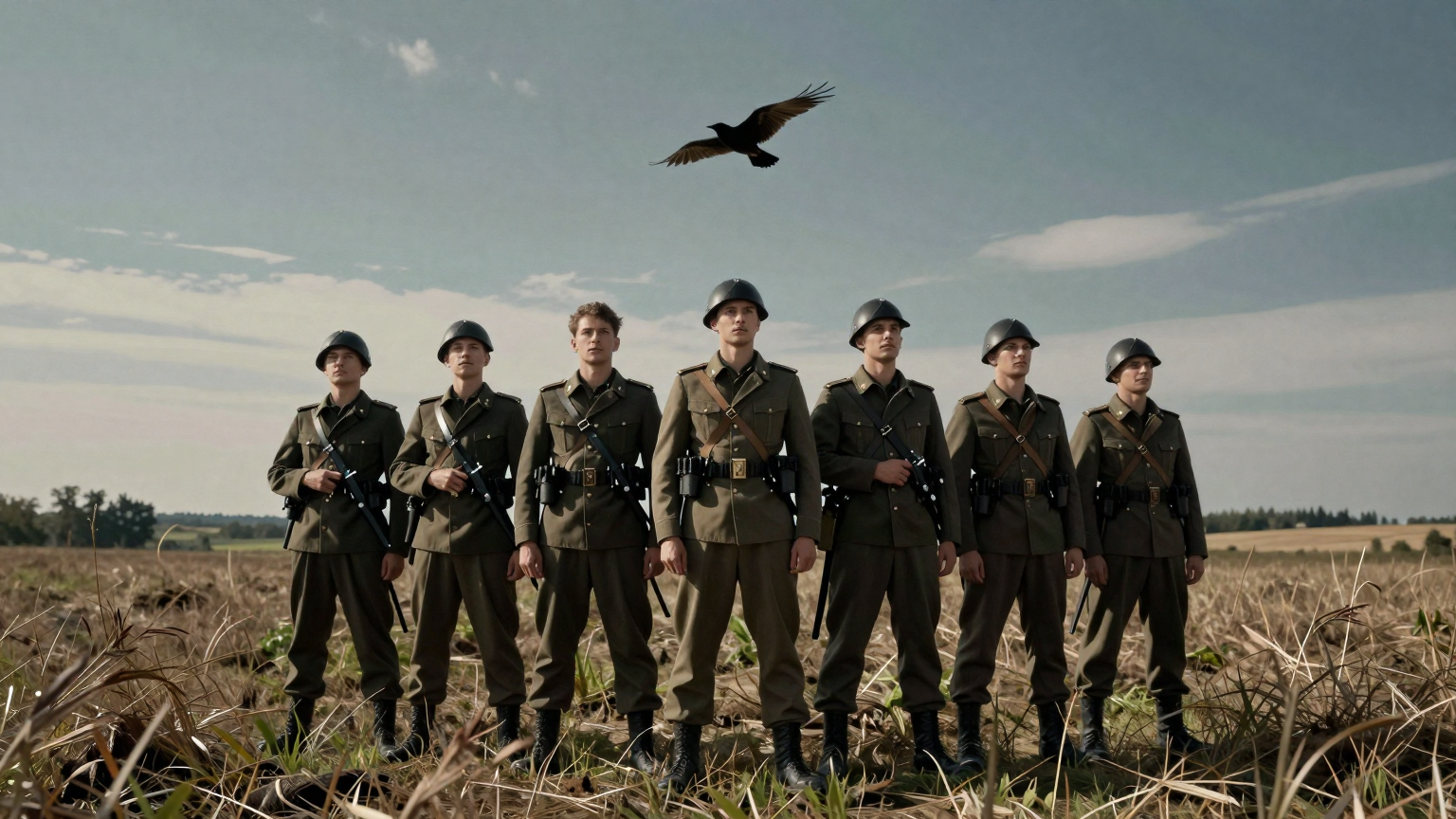
European troops are gearing up for a significant military exercise in Poland, scheduled to run from November 9 to November 22, 2026, with the primary goal of providing reassurance to Ukraine and aiding in the rebuilding of its armed forces 123. This strategic move comes at a time when peace negotiations between Ukraine and Russia have hit a stalemate, largely due to the U.S.'s preoccupation with Iran and specific demands placed upon Ukraine 23.
The exercise, which reportedly involves around 37 nations forming part of the Coalition of the Willing, aims to test the movement, protection, and supply capabilities of a force in Ukraine, alongside evaluating command and control functions 13. Despite the United States' active role in discussions surrounding the mission, it has been confirmed that the U.S. itself is not contributing troops to the effort 1.
Russia’s stance on the matter remains firm, viewing any foreign troops in Ukraine as legitimate targets, adding another layer of complexity to the situation 1. Meanwhile, Turkey is taking the lead in the maritime aspect of the operation, with the objective of clearing mines and facilitating trade in the Black Sea 1. The United Kingdom has also made a notable contribution, sending 300 troops and two RAF Typhoons to participate in the exercise 1.
Ukrainian President Zelenskyy has expressed the need for robust security assurances from Western allies before agreeing to a peace deal, highlighting the importance of these military preparations 23. However, the exact composition and size of the potential force to be deployed to Ukraine remain undetermined, leaving some uncertainty about the mission's specifics 1. Furthermore, upcoming French elections could potentially influence the realization of the deployment, adding another variable to consider 23.
What we know
- - The main purpose of the force is to provide reassurance to Ukraine and aid in rebuilding its armed forces 123
- - The exercise will take place in Poland from November 9 to November 22, 2026 1
- - The United States is involved in discussions but not contributing to the mission 1
- - Russia opposes foreign troops in Ukraine and considers them legitimate targets 1
- - The exercise includes testing the movement, protection, and supply of a force in Ukraine, as well as command and control functions 1
- - Turkey will lead the maritime mission with the aim of clearing mines and resuming trade in the Black Sea 1
- - The UK contributes 300 troops and two RAF Typhoons to the exercise 1
- - The exact composition and size of the potential force to be deployed to Ukraine remain undetermined 1
- - Peace negotiations between Ukraine and Russia have stalled due to U.S. involvement with Iran and demands on Ukraine 23
- - Ukrainian President Zelenskyy requires strong security guarantees from Western allies for a peace deal 23
- - Upcoming French elections may affect the mission's realization 23
- - The Coalition of the Willing consists of 37 nations supporting Ukraine 3
- - The deployment needs to be a combat force for its own protection 3
Trust Score report
Likely accurate — probability of truth 68%, weighted across 17 claims from 3 independent outlets.
- confirmed The main purpose of the force is to provide reassurance to Ukraine and aid in rebuilding its armed forces. (87%)
- likely The exercise will take place in Poland from November 9 to November 22, 2026. (73%)
- likely The United States is involved in discussions but not contributing to the mission. (73%)
- likely Russia opposes foreign troops in Ukraine and considers them legitimate targets. (73%)
- likely The exercise includes testing the movement, protection, and supply of a force in Ukraine, as well as command and control functions. (73%)
- likely Turkey will lead the maritime mission with the aim of clearing mines and resuming trade in the Black Sea. (73%)
- likely The UK contributes 300 troops and two RAF Typhoons to the exercise. (73%)
- likely The exact composition and size of the potential force to be deployed to Ukraine remain undetermined. (73%)
- likely Peace negotiations between Ukraine and Russia have stalled due to U.S. involvement with Iran and demands on Ukraine. (71%)
- likely Ukrainian President Zelenskyy requires strong security guarantees from Western allies for a peace deal. (71%)
- likely Upcoming French elections may affect the mission's realization. (71%)
- likely The Coalition of the Willing consists of 37 nations supporting Ukraine. (70%)
- likely The deployment needs to be a combat force for its own protection. (70%)
- unverified The military exercise involves nearly 3,000 personnel from 12 European nations. (53%)
- unverified The participating nations include the UK, France, Belgium, Estonia, Germany, Lithuania, the Netherlands, Poland, Spain, Sweden, and Turkey. (53%)
- unverified The exercise will involve 2,800 soldiers from eight European nations. (47%)
- unverified Eight European nations, including Britain and France, will deploy soldiers to Poland. (47%)
Sources
- BBC News — Thousands of European troops to rehearse Ukraine deployment in event of peace
https://www.bbc.co.uk/news/articles/cm3wv085ne6po?at_medium=RSS&at_campaign=rss - ABC News — European troops prepare for a postwar Ukraine mission that's fraught with challenges
https://abcnews.com/International/wireStory/european-troops-prepare-postwar-ukraine-mission-fraught-challenges-137797096 - The Independent — Thousands of European troops rehearse postwar Ukraine deployment despite doubts mission will go ahead
https://www.independent.co.uk/news/world/europe/uk-europe-troops-soldiers-ukraine-russia-putin-war-b3078020.html