Elvis and Eminem Rights Holders Sue AI Music Generator Suno
The music rights holders of Elvis Presley and Eminem have taken legal action against AI company Suno, alleging copyright infringement.
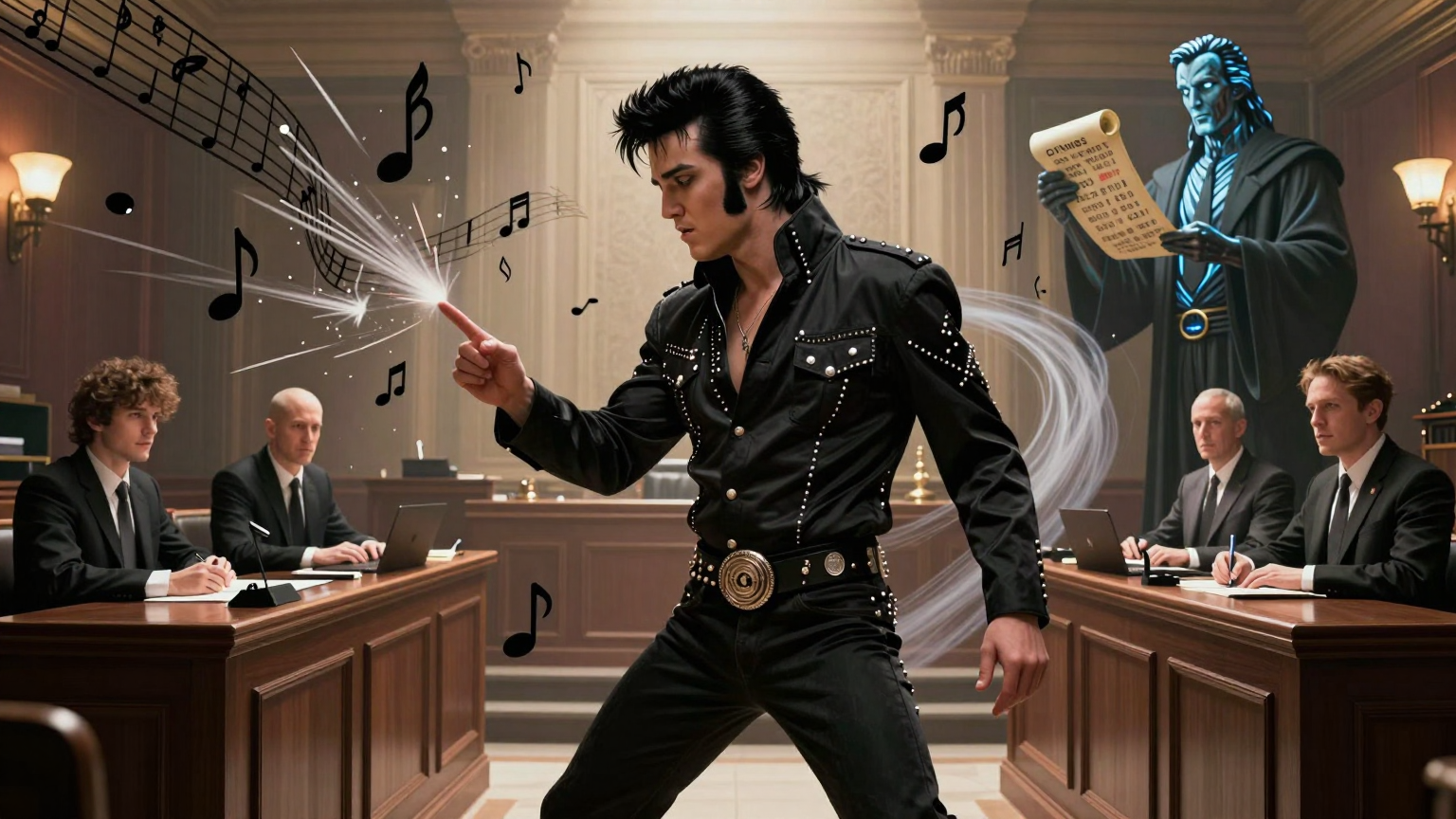
In a significant legal move, the rights holders of iconic singer Elvis Presley and rapper Eminem have filed a lawsuit against AI music generator Suno, marking a notable clash between traditional music ownership and cutting-edge technology. The suit, reportedly filed in the Northern District of California, centers on claims of copyright infringement and exploitation of musical identities, highlighting the growing tensions in the music industry as AI technology continues to evolve.
The lawsuit brought by Elvis Presley’s music rights holders includes a specific reference to the Tennessee ELVIS Act, a statute designed to protect the unique vocal characteristics of the legendary performer from being replicated by artificial intelligence. This act underscores the cultural significance of Presley’s voice and the efforts to preserve his legacy from modern technological encroachment.
Eminem’s record publishing company, Eight Mile Style LLC, has also joined the legal challenge, alleging that Suno’s AI-generated music and lyrics infringe upon the copyrights of the renowned rapper. These claims reflect a broader concern within the music community about the potential for AI to mimic and reproduce creative works without proper authorization.
Suno, the defendant in these actions, has denied the allegations, asserting that it has measures in place to prevent unauthorized use of artists’ work. However, the company faces multiple lawsuits over its AI-generated music, indicating a pattern of disputes surrounding its innovative technology and its impact on traditional music rights.
The financial health of Suno appears robust, with the company having recently secured $400 million in a funding round, valuing it at $5.4 billion. This substantial backing suggests that despite the legal challenges, Suno is well-positioned to continue its operations and potentially navigate through the current litigation.
What we know
- - 123 Elvis Presley's music rights holders and Eminem's record publisher are suing AI music generator Suno.
- - 3 The lawsuit was filed in the Northern District of California.
- - 13 Suno is facing multiple lawsuits over AI-generated music.
- - 3 The Presley lawsuit accuses Suno of copyright infringement and exploiting Presley's identity.
- - 3 The Presley lawsuit cites the Tennessee ELVIS Act.
- - 3 Eminem's LLC, Eight Mile Style, alleged that Suno infringed upon its copyrights.
- - 13 Suno denies the allegations and states it prohibits unauthorized use of artists' work.
- - 3 Suno raised $400 million in a funding round in June at a $5.4 billion valuation.
Trust Score report
Likely accurate — probability of truth 73%, weighted across 8 claims from 3 independent outlets.
- confirmed Elvis Presley's music rights holders and Eminem's record publisher are suing AI music generator Suno. (85%)
- likely The lawsuit was filed in the Northern District of California. (71%)
- likely Suno is facing multiple lawsuits over AI-generated music. (71%)
- likely The Presley lawsuit accuses Suno of copyright infringement and exploiting Presley's identity. (71%)
- likely The Presley lawsuit cites the Tennessee ELVIS Act, which prevents AI companies from cloning singers' voices. (71%)
- likely Eminem's LLC, Eight Mile Style, alleged that Suno infringed upon its copyrights by generating songs and lyrics similar to Eminem's tracks. (71%)
- likely Suno denies the allegations and states it prohibits unauthorized use of artists' work. (71%)
- likely Suno raised $400 million in a funding round in June at a $5.4 billion valuation. (71%)
Sources
- The Verge AI — Elvis and Eminem rights holders are suing Suno
https://www.theverge.com/ai-artificial-intelligence/1029533/elvis-eminem-suno-ai-music-clone-lawsuit - WKBN.com (Ohio) — Elvis Presley’s music owners file new lawsuit against AI music generator
https://www.wkbn.com/news/national-world/elvis-presleys-music-owners-file-new-lawsuit-against-ai-music-generator/ - Variety — Elvis Music Owners, Eminem Publisher File Sprawling New Lawsuits Against AI Music Generator Suno: ‘The Next Elvis Won’t Pick Up a Guitar’
https://variety.com/2026/music/news/elvis-eminem-sue-suno-ai-music-generator-1236941798/