European Supermarkets Hit by Widespread Cyberattacks on Refrigeration Systems
A series of cyberattacks across six European nations have disrupted supermarket refrigeration, leading to significant food spoilage.
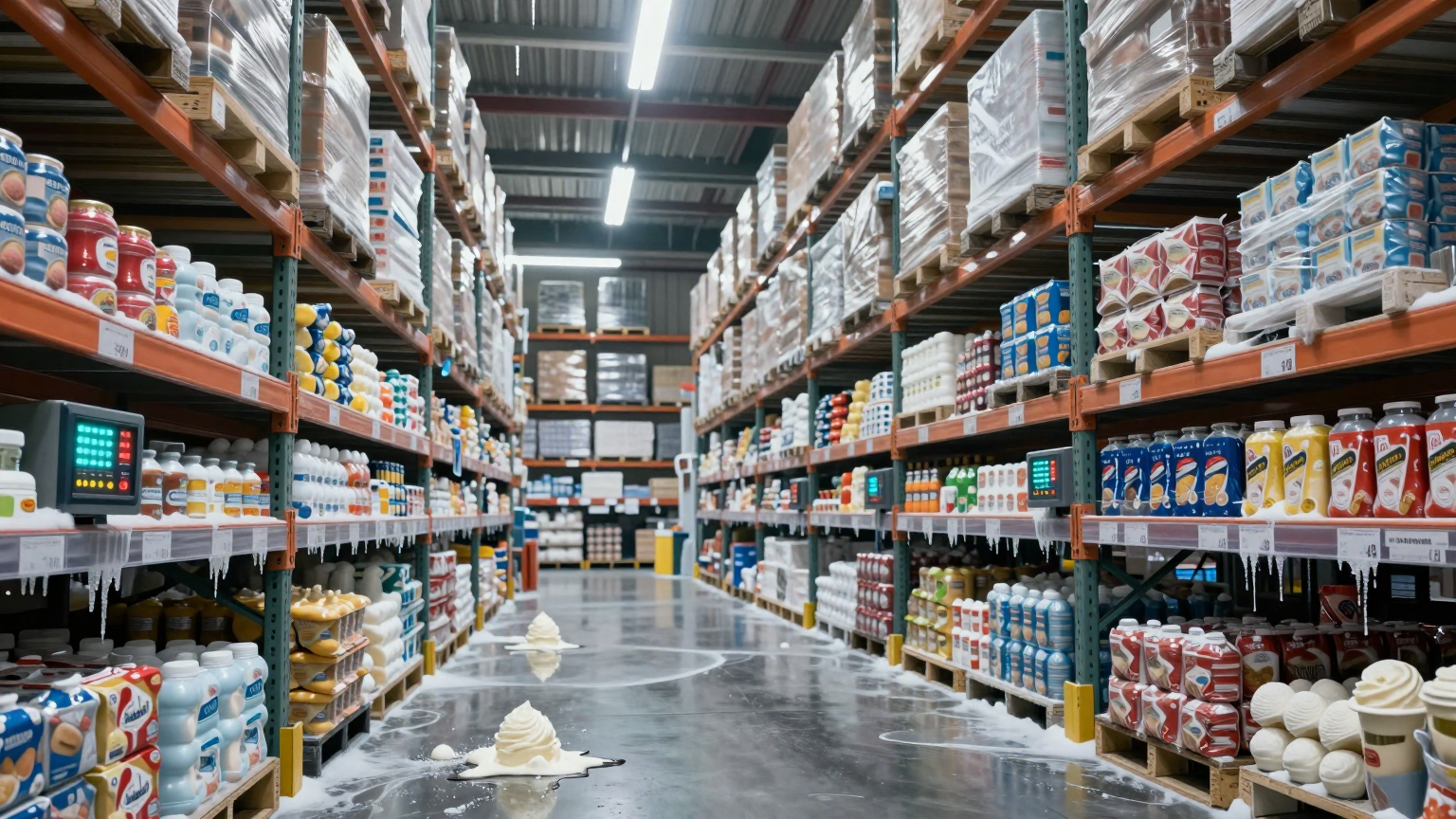
A wave of cyberattacks has struck supermarket refrigeration systems in six European countries, causing temperatures to soar and resulting in millions of euros worth of food being discarded. The affected nations include Belgium, Sweden, Luxembourg, Ireland, the Netherlands, and Estonia, with reports indicating that the issue extended beyond just Sweden and Belgium, impacting a broader range of retailers and smaller businesses.
In Sweden, six Coop stores faced issues, while ICA confirmed a 'small number' of its stores outside the central network were also affected. The problem was particularly acute in some freezers where temperatures reached as high as 50C (122F), forcing the evacuation of perishable goods. In Ireland, 13 SuperValu supermarkets were impacted, and in the Netherlands, at least 17 companies, including butcher shops and local stores, saw their freezing and cooling systems compromised.
The attack's mechanism involved the activation of the defrost mode in refrigerators, which warmed the units significantly. This was confirmed by Delhaize in Belgium, where the issue was traced back to the malfunctioning of evaporators during the cyberattack. Additionally, the Danish company Danfoss and American firm Copeland, both manufacturers of refrigeration components, were reportedly targeted in the attacks.
In Estonia, a Selver supermarket was among the affected locations, while in Belgium, Carrefour reported that only 15 of its stores were impacted. Other Belgian chains such as Spar, Shop & Go, and Proxy Delhaize also suffered from the temperature spikes, with five Spar stores operated by Colruyt Group experiencing disruptions to their fridge systems.
The scale of the disruption underscores the interconnectedness of modern retail infrastructure and highlights the potential for widespread impact from cyber incidents. While the exact nature and origin of the attacks remain under investigation, the event serves as a reminder of the critical role technology plays in maintaining the cold chain essential for food safety and freshness.
What We Know
- Supermarket freezers and refrigerators in six European countries were affected by a suspected cyber-attack. 123456
- The affected countries included Belgium, Sweden, Luxembourg, Ireland, the Netherlands, and Estonia. 123456
- Six Coop stores in Sweden were affected. 23456
- Temperatures in some affected freezers rose to as high as 50C (122F). 13456
- ICA confirmed a 'small number' of its stores outside the central network were affected in Sweden. 13
- The attack caused the evaporators in the refrigerators to switch to defrost mode, warming the units up. 14
- In Ireland, 13 SuperValu supermarkets were impacted. 1
- At least 17 companies in the Netherlands, including butcher shops and small neighborhood stores, had their freezing and cooling systems attacked. 1
- A Selver supermarket in Estonia was affected by the attack. 1
- Millions of euros worth of food had to be discarded due to the incident. 1
- Carrefour reported that only 15 of its Belgian stores were affected. 1
- Spar, Shop & Go, and Proxy Delhaize stores were affected in Belgium. 2
- Delhaize's refrigeration issue was caused by switching evaporators to defrost mode during a cyberattack. 4
- Ikea Belgium experienced a temperature spike in its store in Mons due to a cyberattack. 4
- Five Spar stores operated by Colruyt Group had their fridge systems attacked. 4
- Danfoss and Copeland equipment were targeted in the attacks. 6
Verification report
Likely accurate — probability of truth 78%, weighted across 18 claims from 6 independent outlets. Since the first report: 71% → 78%, outlets 3 → 6.
- confirmed Supermarket freezers and refrigerators in six European countries were affected by a suspected cyber-attack. (97%)
- confirmed The affected countries included Belgium, Sweden, Luxembourg, Ireland, the Netherlands, and Estonia. (97%)
- confirmed Six Coop stores in Sweden were affected. (97%)
- confirmed Temperatures in some affected freezers rose to as high as 50C (122F). (97%)
- confirmed ICA confirmed a 'small number' of its stores outside the central network were affected in Sweden. (87%)
- confirmed The attack caused the evaporators in the refrigerators to switch to defrost mode, warming the units up. (87%)
- likely In Ireland, 13 SuperValu supermarkets were impacted. (73%)
- likely At least 17 companies in the Netherlands, including butcher shops and small neighborhood stores, had their freezing and cooling systems attacked. (73%)
- likely A Selver supermarket in Estonia was affected by the attack. (73%)
- likely Millions of euros worth of food had to be discarded due to the incident. (73%)
- likely Carrefour reported that only 15 of its Belgian stores were affected. (73%)
- likely Spar, Shop & Go, and Proxy Delhaize stores were affected in Belgium. (72%)
- likely Delhaize's refrigeration issue was caused by switching evaporators to defrost mode during a cyberattack. (71%)
- likely Ikea Belgium experienced a temperature spike in its store in Mons due to a cyberattack. (71%)
- likely Five Spar stores operated by Colruyt Group had their fridge systems attacked. (71%)
- likely Danfoss and Copeland equipment were targeted in the attacks. (71%)
- unverified Approximately 40 Delhaize supermarkets in Belgium and Luxembourg were affected, along with a smaller number in Sweden, Ireland, the Netherlands, and Estonia. (53%)
- unverified Seven out of 800 Coop stores in Sweden were affected. (53%)
Sources
- BBC News — Supermarket freezers in Belgium and Sweden hit by suspected cyber-attack
https://www.bbc.co.uk/news/articles/cq1kd1nee80eo?at_medium=RSS&at_campaign=rss - The Guardian Business — Supermarket freezers across Europe hit by second suspected cyber-attack
https://www.theguardian.com/world/2026/nov/02/supermarket-freezers-across-europe-hit-by-second-suspected-cyber-attack - ABC News — Freezers at supermarkets in several European countries hit by apparent cyberattacks
https://abcnews.com/International/wireStory/freezers-supermarkets-european-countries-hit-apparent-cyberattacks-137765494 - France 24 — Fresh wave of fridge cyberattacks hits European supermarkets
https://www.france24.com/en/europe/20261102-fresh-wave-of-fridge-cyberattacks-hits-european-supermarkets - The Verge — More European supermarkets are getting their freezers hacked
https://www.theverge.com/tech/1024300/europe-freezer-fridge-hack-cyberattack - The Record — Second wave of suspected cyberattacks hits supermarket freezers across Europe
https://therecord.media/cyberattack-grocery-freezers-europe