Comedian Urges PM to Save Endangered Lake Fish
Paul Whitehouse calls on Andy Burnham to protect the Arctic charr in Windermere, facing threats from pollution and climate change.
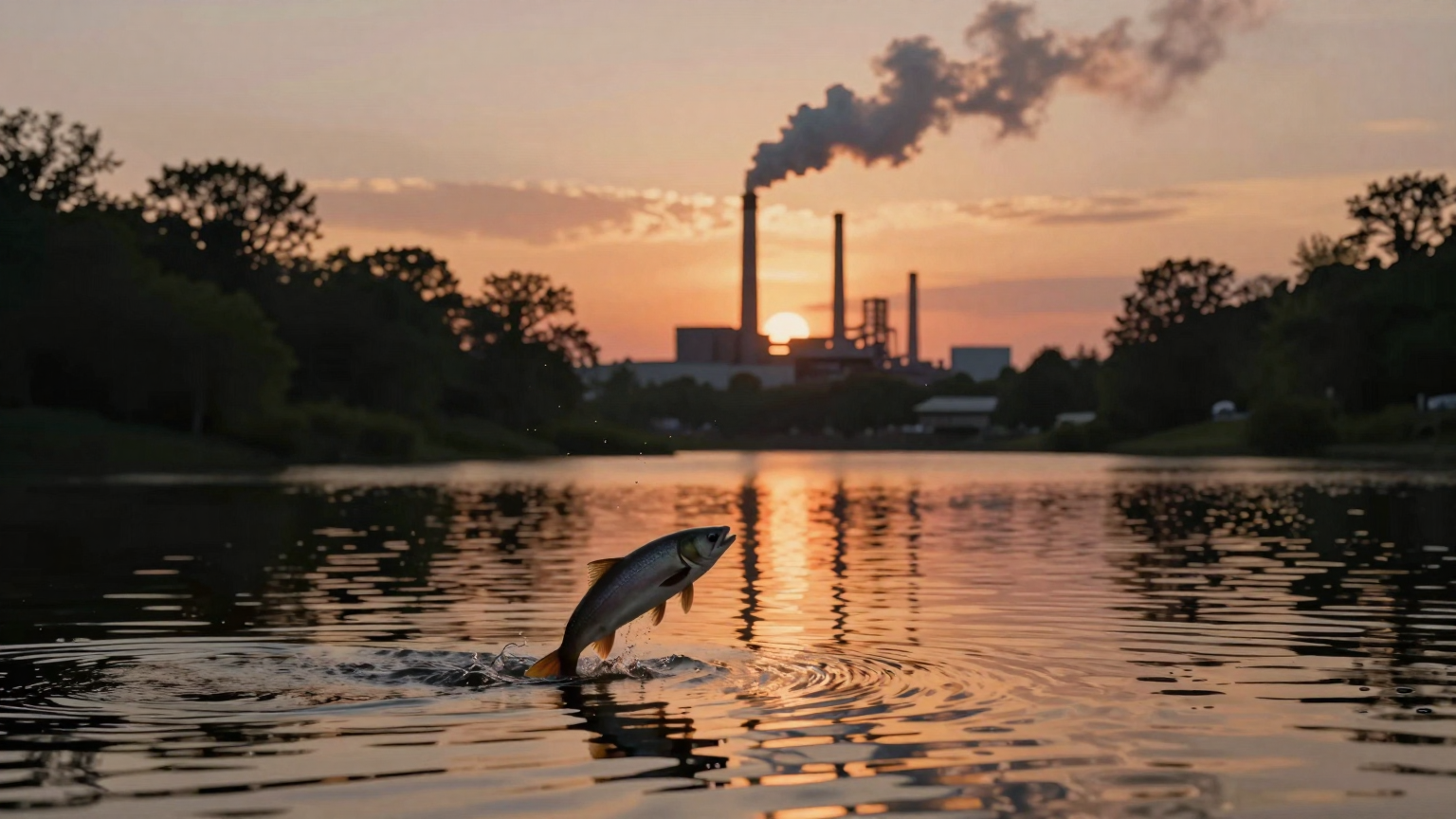
Comedian and TV presenter Paul Whitehouse has made an appeal to Prime Minister Andy Burnham, urging him to take action to save the Arctic charr fish species in Windermere, a renowned lake in the Lake District. This call comes amid growing concerns over the health of the lake's ecosystem and the declining population of the iconic fish.
The Arctic charr, known for its distinctive red spots and ability to thrive in cold waters, is under threat due to multiple factors including increased silt and algae levels, which have been observed since 2017. These changes have reduced the quality of the spawning habitats crucial for the survival of the species. Additionally, the fish face challenges from sewage pollution, rising temperatures caused by global warming, and the presence of invasive species such as ruffe, roach, and bream.
New research highlights that the Arctic charr population in Windermere is on the decline, with some historical spawning sites now devoid of the fish. According to the Freshwater Biological Association, the southern basin of Windermere no longer hosts any Arctic charr, marking a significant shift in the local ecology. The degradation of spawning habitats is attributed to increased sediment and algal accumulation, largely due to sewage discharge from both United Utilities and thousands of private septic tanks.
In response to these issues, United Utilities has announced plans to invest £200 million over four years to enhance wastewater treatment and reduce sewage spills. Furthermore, a more ambitious proposal aims to construct a large tunnel for sewage and a new water treatment plant, estimated to cost £3.7 billion. These initiatives are seen as critical steps towards improving the conditions for the Arctic charr and other aquatic life in Windermere.
The history of the Arctic charr in Windermere stretches back to at least 1223, when the first recorded instance of people catching the fish was noted. Today, there are four distinct populations of Arctic charr in the lake, each with unique spawning patterns and locations. This diversity adds complexity to conservation efforts, as each group may require tailored approaches to ensure their survival.
What we know
- Paul Whitehouse called on Prime Minister Andy Burnham to help save the Arctic charr in Windermere. 12
- Four separate populations of Arctic charr exist in Windermere, each with different spawning habits. 12
- Increased silt and algae levels since 2017 have harmed the spawning habitats of the Arctic charr. 12
- Sewage pollution, invasive species, and rising temperatures pose threats to the fish's habitat. 1
- Research indicates the Arctic charr population in Windermere is declining and faces extinction without intervention. 1
- Windermere experiences widespread sewage and bacterial pollution from United Utilities and private septic tanks. 2
- Historical spawning sites of Arctic charr in Windermere’s southern basin are now empty. 2
- Spawning habitats have degraded significantly since 2017 due to increased sediment and algae linked to sewage. 2
- Introduced species like ruffe, roach, and bream are increasing in number, threatening the Arctic charr. 1
- United Utilities is investing £200 million over four years to reduce sewage spills and improve wastewater treatment. 1
- A £3.7 billion plan proposes building a large tunnel for sewage and a new water treatment plant. 1
- The first record of people catching Arctic charr in Windermere dates back to 1223. 2
Trust Score report
Likely accurate — probability of truth 74%, weighted across 14 claims from 2 independent outlets.
- confirmed Paul Whitehouse, a comedian and TV presenter, called on Prime Minister Andy Burnham to help save the Arctic charr fish species in Windermere. (87%)
- confirmed There are four separate populations of Arctic charr in Windermere that spawn at different times and locations. (87%)
- confirmed Silt and algae levels have increased in Windermere since 2017, reducing the quality of spawning habitats. (87%)
- likely The fish's habitat is threatened by sewage pollution, invasive species, and rising temperatures due to global warming. (73%)
- likely New research shows the Arctic charr population in Windermere is declining and faces extinction without urgent action. (73%)
- likely Windermere suffers from widespread raw sewage and bacterial pollution due to discharges from United Utilities and 1,800 private septic tanks. (72%)
- likely Arctic char disappeared from Windermere's southern basin and historic spawning sites according to new research by Freshwater Biological Association. (72%)
- likely Spawning habitats of arctic char have degraded significantly since 2017 due to increased sediment and algal accumulation linked to sewage. (72%)
- likely Introduced species like ruffe, roach, and bream are increasing in number, posing a threat to the Arctic charr. (73%)
- likely United Utilities is investing £200 million over four years to reduce sewage spills and improve wastewater treatment. (73%)
- likely A £3.7 billion plan to build a large tunnel for sewage and a new water treatment plant is proposed to address the problem. (73%)
- likely First written record of people catching arctic char on Windermere dates back to 1223. (72%)
- unverified Arctic charr have lived in Windermere, England's largest lake, for over 10,000 years. (51%)
- unverified Arctic charr have existed in Windermere for over 11,000 years. (49%)
Sources
- BBC Science — Whitehouse calls on PM to help save lake fish
https://www.bbc.co.uk/news/articles/c6808pxrzy5po?at_medium=RSS&at_campaign=rss - The Guardian — Burnham urged to act over ‘imminent extinction’ of Windermere’s ice-age fish
https://www.theguardian.com/environment/2026/nov/26/burnham-urged-to-act-extinction-windemere-arctic-char-paul-whitehouse