Colorado Man Pleads Guilty to Federal Hate Crimes After Deadly Firebomb Attack
Mohamed Sabry Soliman admitted to throwing Molotov cocktails at protesters, resulting in the death of an 82-year-old woman.
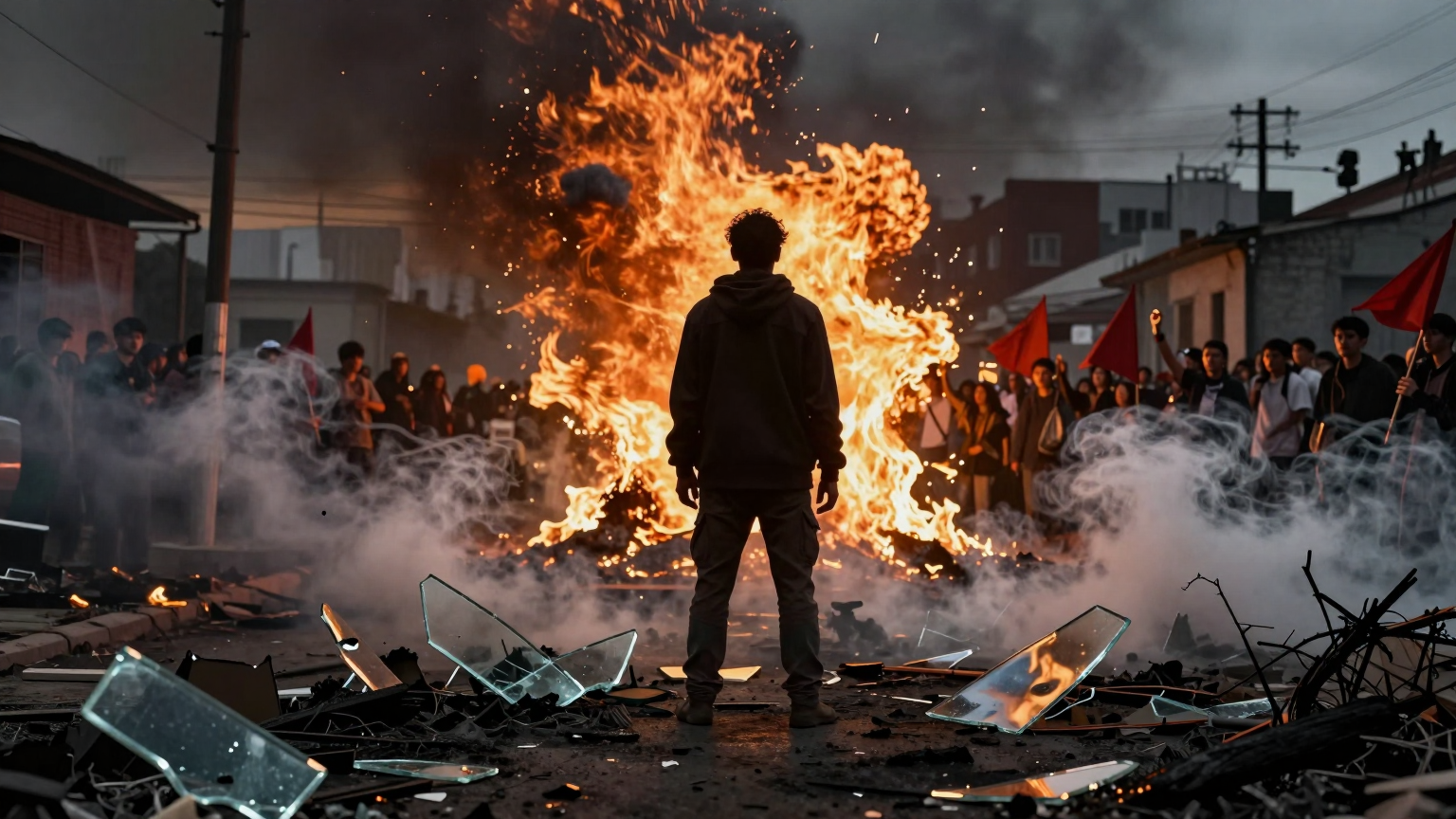
Mohamed Sabry Soliman has pleaded guilty to federal hate crimes charges following a deadly firebomb attack on demonstrators in Colorado last summer. The incident, which took place in June 2025, saw Soliman throw Molotov cocktails at a group of protesters, leading to the tragic death of 82-year-old Karen Diamond 1345.
Soliman’s actions have drawn significant attention due to their violent nature and the apparent anti-Semitic motivations behind them. According to reports, Soliman had been planning the attack for over a year, meticulously studying videos on explosives to prepare for the assault 14. This level of preparation underscores the premeditated and deliberate nature of the crime.
The attack heightened concerns about antisemitic violence in the United States, as Soliman reportedly expressed a desire to 'kill all Zionist people' and called for the 'death of Zionists' and 'free Palestine' 14. These sentiments reflect a broader trend of hostility towards Jewish individuals and communities in the country.
Governor Jared Polis of Colorado has requested that Soliman be sentenced to life in prison plus an additional fifty years, reflecting the severity of the crime and the impact it had on the community 3. Soliman faces a potential life sentence for the hate crimes and an additional fifty years for the explosives charges 14.
In the lead-up to the attack, Soliman dressed as a gardener to approach the demonstration, and he brought eighteen Molotov cocktails, though he only used two during the assault 45. Additionally, Soliman intended to self-immolate if captured, indicating a willingness to sacrifice his own life rather than face justice 4.
Soliman's case highlights the complex interplay of personal beliefs and violent actions, as he expressed both opposition to Israel and respect for individual Jewish people 5. This nuanced view adds another layer to understanding the motivations behind the attack.
What We Know
- Mohamed Sabry Soliman pleaded guilty to federal hate crimes charges 12345
- He threw Molotov cocktails at a group of protesters in Colorado in June 2025 1345
- Karen Diamond, 82, died from injuries sustained in the attack 145
- Soliman faces a potential life sentence for the hate crimes and an additional fifty years for the explosives charges 14
- He planned the attack for a year, studying videos on explosives 14
- Soliman expressed a desire to 'kill all Zionist people' 1
- The attack heightened concerns about antisemitic violence in the U.S. 1
- Governor Polis requested a sentence of life in prison plus fifty years 3
- Soliman called for the death of Zionists and to 'free Palestine' 4
- Soliman dressed as a gardener to approach the demonstration 4
- Soliman intended to self-immolate if captured 4
- Soliman brought eighteen Molotov cocktails to the demonstration but only used two 5
- Soliman expressed opposition to Israel and respect for individual Jewish people 5
What Remains Unclear
Verification report
Likely accurate — probability of truth 76%, weighted across 16 claims from 5 independent outlets.
- confirmed Mohamed Sabry Soliman pleaded guilty to federal hate crimes charges. (97%)
- confirmed Soliman threw Molotov cocktails at a group of protesters in Colorado in June 2025. (97%)
- confirmed Karen Diamond, 82, died from injuries sustained in the attack. (94%)
- unverified At least 12 people were injured in the attack, with one fatality. (53%)
- confirmed Soliman faces a potential life sentence for the hate crimes and an additional 50 years for the explosives charges. (87%)
- confirmed Soliman planned the attack for a year, studying videos on explosives. (87%)
- likely Soliman expressed a desire to 'kill all Zionist people'. (73%)
- likely The attack heightened concerns about antisemitic violence in the U.S. (73%)
- likely Governor Polis requested a sentence of life in prison plus 50 years. (71%)
- likely Soliman called for the death of Zionists and to 'free Palestine'. (71%)
- likely Soliman dressed as a gardener to approach the demonstration. (71%)
- likely Soliman intended to self-immolate if captured. (71%)
- likely Soliman brought 18 Molotov cocktails to the demonstration but only used two. (71%)
- likely Soliman expressed opposition to Israel and respect for individual Jewish people. (71%)
- likely The attack occurred on the Pearl Street Mall in Boulder, Colorado. (68%)
- unverified Soliman entered the U.S. on a non-immigrant visa in 2022, which expired in 2023. (53%)
Sources
- BBC US & Canada — Man pleads guilty to federal hate crimes charges over fatal Colorado firebombing
https://www.bbc.co.uk/news/articles/cred3e7yj8wqo?at_medium=RSS&at_campaign=rss - WKBN.com (Ohio) — Man pleads guilty to federal hate crimes in deadly firebomb attack on Colorado demonstrators
https://www.wkbn.com/news/national-world/ap-man-accused-of-colorado-demonstration-attack-to-change-plea-to-federal-hate-crime-charges/ - CBS News Crime — Guilty plea on federal charges in deadly Boulder firebomb attack
https://www.cbsnews.com/news/mohamed-soliman-changes-plea-guilty-federal-charges-boulder-firebombing-attack/ - Courthouse News — Colorado firebomber pleads guilty to hate crime for attack on Israeli hostage demonstration
https://www.courthousenews.com/colorado-firebomber-pleads-guilty-to-hate-crime-for-attack-on-israeli-hostage-demonstration/ - ABC News U.S. — Man accused of Colorado demonstration attack to change plea to federal hate crime charges
https://abcnews.com/US/wireStory/man-accused-colorado-demonstration-attack-change-plea-federal-137677610