Chevrolet Scraps Plans for New Corvette Models Amid Shifting Market Dynamics
The automaker reportedly cancels its plans for an SUV and electric vehicle variants of the iconic sports car.
Chevrolet has reportedly scrapped its plans to introduce an SUV and an electric vehicle (EV) under the Corvette brand, marking a significant shift in strategy for one of America’s most beloved sports cars. According to reports, these new additions were expected to join the Corvette lineup alongside a potential four-door variant, all set to debut between 2025 and 2026. However, recent market trends suggest that Chevrolet may be reevaluating its approach to expanding the Corvette family.
Despite the setback for the SUV and EV variants, the Corvette brand continues to show resilience. Sales of the classic sports car saw a notable increase of 28.5% in the third quarter of 2026 compared to the same period in 2025, indicating strong consumer interest in the traditional model. This growth stands in contrast to General Motors' overall EV sales, which experienced a sharp decline of 62% during the same timeframe.
Chevrolet’s decision to focus on traditional models comes at a time when the company is also preparing for the next generation of Corvettes. Chief engineer Tony Roma has stated that the Corvette nameplate will eventually transition to fully electric vehicles, signaling a long-term vision for the brand. Meanwhile, the current C8 Corvette already offers two hybrid powertrains, and the upcoming C9 generation is expected to bring even more innovative power options to the table.
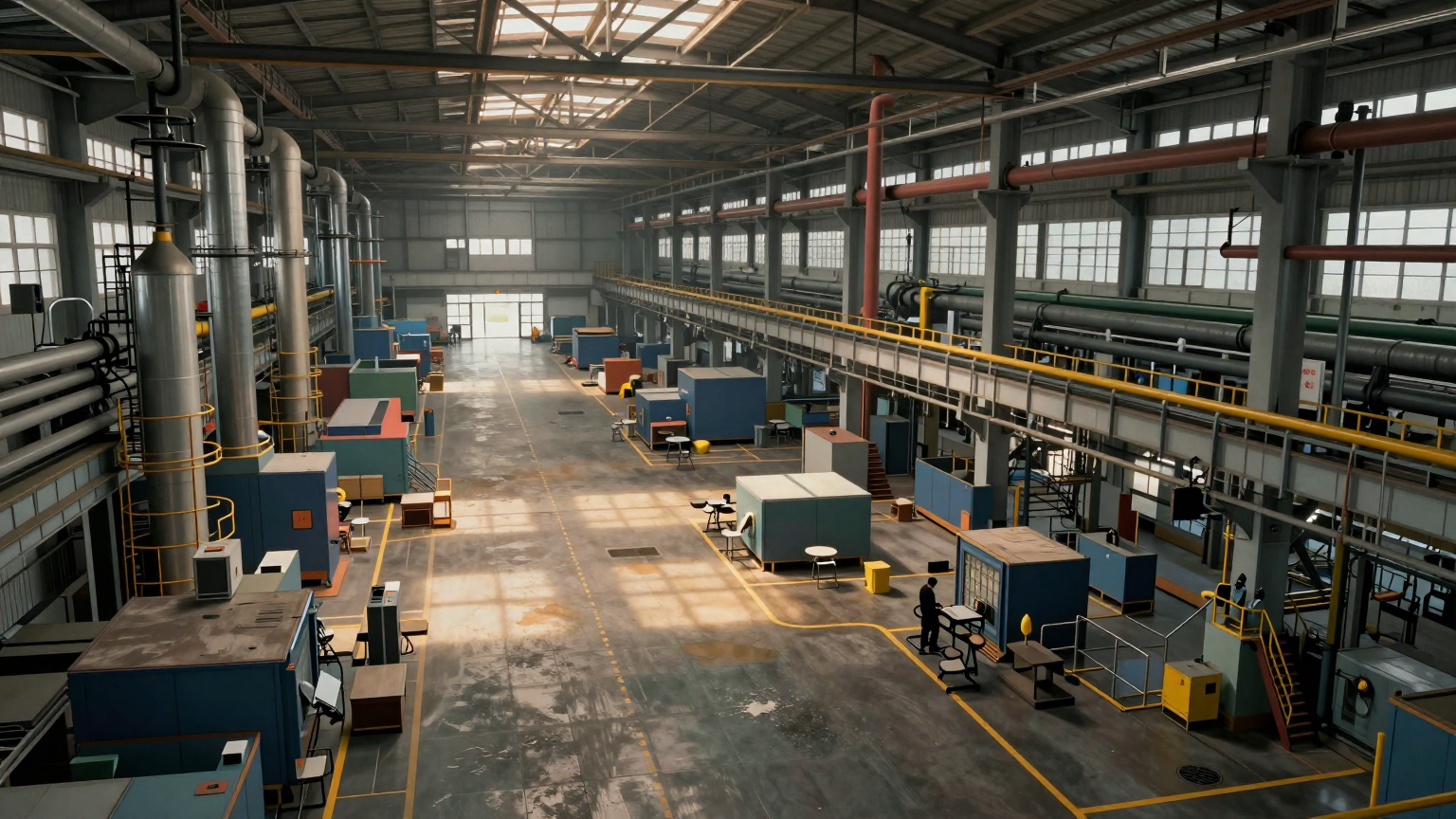
In preparation for these changes, GM is making adjustments to its manufacturing facilities. The Lansing Delta Township Assembly plant, a key location for Corvette production, is being readied for future hybrid production, highlighting the ongoing evolution of the brand’s manufacturing capabilities.
While the Corvette SUV and EV models have been put on hold, the brand’s hybrid offerings continue to thrive. The Grand Sport X and ZR1X models, both hybrid versions of the Corvette, remain popular choices among enthusiasts and continue to contribute to the brand’s success.
What we know
- - Chevrolet had plans to expand the Corvette brand to include an SUV, an electric vehicle, and possibly a four-door variant. 1
- - These new Corvette models were expected to launch between 2025 and 2026. 2
- - GM's EV sales decreased by 62% in the third quarter of 2026 compared to the same period in 2025. 2
- - Corvette sales increased by 28.5% in Q3 2026 compared to the same period in 2025. 2
- - Corvette chief engineer Tony Roma stated the nameplate will eventually become fully electric. 2
- - Chevrolet currently offers two hybrid powertrains in the C8 Corvette. 1
- - The C9 generation of Corvette is expected to feature new powertrains. 1
- - The planned Corvette SUV and two-door EV were internally codenamed V224 and V284 respectively. 2
- - GM is preparing its Lansing Delta Township Assembly plant for future hybrid production. 2
- - The Corvette currently offers hybrid versions such as the Grand Sport X and ZR1X. 2
Verification report
Likely accurate — probability of truth 66%, weighted across 11 claims from 2 independent outlets.
- unverified GM has reportedly scrapped the additional Corvette variants including the SUV and electric models. (51%)
- likely Chevrolet had plans to expand the Corvette brand to include an SUV, an electric vehicle, and possibly a four-door variant. (70%)
- likely These new Corvette models were expected to launch between 2025 and 2026. (68%)
- likely GM's EV sales decreased by 62% in the third quarter of 2026 compared to the same period in 2025. (68%)
- likely Corvette sales increased by 28.5% in Q3 2026 compared to the same period in 2025. (68%)
- likely Corvette chief engineer Tony Roma stated the nameplate will eventually become fully electric. (68%)
- likely Chevrolet currently offers two hybrid powertrains in the C8 Corvette. (70%)
- likely The C9 generation of Corvette is expected to feature new powertrains. (70%)
- likely The planned Corvette SUV and two-door EV were internally codenamed V224 and V284 respectively. (68%)
- likely GM is preparing its Lansing Delta Township Assembly plant for future hybrid production. (68%)
- likely The Corvette currently offers hybrid versions such as the Grand Sport X and ZR1X. (68%)
Sources
- Car and Driver — Chevy Reportedly Axes Plans for the Corvette SUV and EV
https://www.caranddriver.com/news/a74314095/chevy-corvette-axes-suv-ev-plans-report/ - Autoblog — Corvette SUV and Electric Sports Car Plans Reportedly Shelved
https://www.autoblog.com/news/corvette-suv-and-electric-sports-car-plans-reportedly-shelved