Quebec's Religious Symbol Ban Confirmed by Supreme Court, With Some Dissent
The Canadian Supreme Court has largely upheld Quebec's controversial law prohibiting public sector workers from wearing religious symbols, with some justices expressing disagreement.
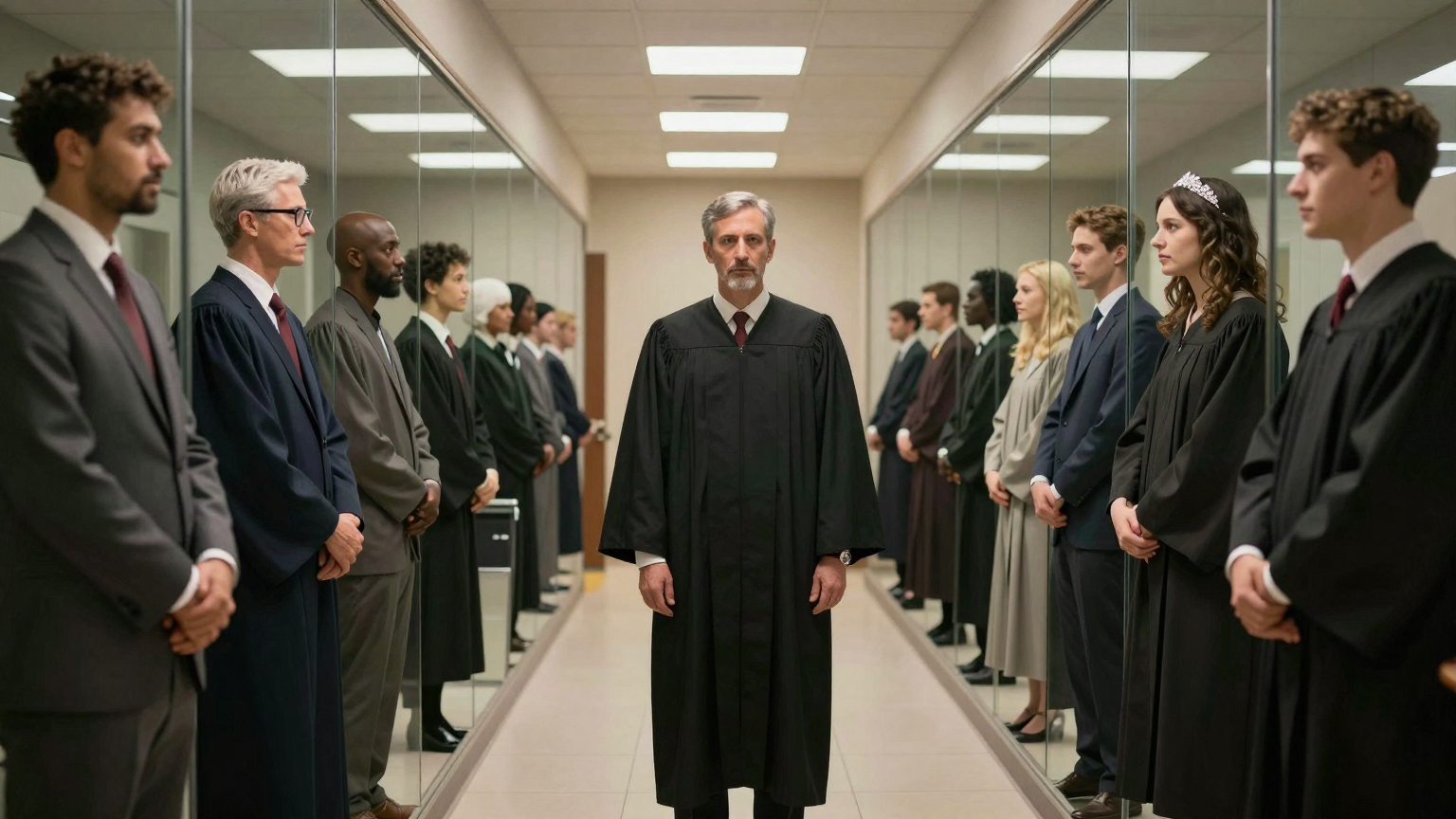
In a significant ruling, Canada’s Supreme Court has largely upheld Quebec’s law banning public sector workers from displaying religious symbols, confirming the validity of Bill 21 which was enacted in 2019 123456. This decision comes after extensive debate and legal challenges, solidifying the province’s stance on secularism within its public service framework.
Bill 21 specifically prohibits certain religious symbols such as Muslim headscarves, Sikh turbans, Jewish skullcaps, and Christian crosses for individuals providing public services like teaching and policing 23456. The law’s application extends to roles including lawyers, judges, police officers, and educators, impacting their ability to express their faith through visible religious symbols while performing official duties 5.
However, the court’s decision was not unanimous. Some justices dissented, arguing that the notwithstanding clause cannot be used to authorize laws that are incompatible with Canada’s fundamental character 1. This highlights a nuanced view among the justices regarding the balance between provincial autonomy and national identity.
Critics of the law have long argued that it unfairly targets Muslim women and diminishes legal protections for fundamental rights 36. Despite these concerns, the majority of the court found the law to be constitutionally sound, affirming its place in Quebec’s legal landscape.
Interestingly, the law does make exceptions for elected members of the National Assembly, allowing them to wear religious symbols even if they cover their faces 35. This distinction underscores the complexity of the legislation and its impact on different groups within Quebec society.
What we know
- Canada's Supreme Court largely upheld Quebec's law banning public sector workers from wearing religious symbols 123456
- Bill 21 prohibits specific religious symbols for public service roles such as teaching and policing 23456
- The law applies to various professions including lawyers, judges, police, and teachers 5
- Some justices expressed dissent over the use of the notwithstanding clause 1
- Critics argue the law unfairly targets Muslim women and reduces legal protections for fundamental rights 36
- Elected members of the National Assembly can wear religious symbols despite the ban 35
Trust Score report
Likely accurate — probability of truth 85%, weighted across 8 claims from 6 independent outlets. Since the first report: 82% → 85%, outlets 4 → 6.
- confirmed Canada's Supreme Court largely upheld Quebec's law banning public sector workers from wearing religious symbols. (97%)
- confirmed Bill 21, enacted in 2019, prohibits certain religious symbols such as Muslim headscarves, Sikh turbans, Jewish skullcaps, and Christian crosses for specific workers. (97%)
- confirmed The law applies to individuals providing public services such as teaching and policing. (97%)
- confirmed Critics argue the bill unfairly targets Muslim women and reduces legal protections for fundamental rights. (86%)
- likely Some justices dissented, stating the notwithstanding clause cannot authorize laws incompatible with Canada's fundamental character. (73%)
- likely The law affects workers such as lawyers, judges, police, and teachers. (72%)
- likely The law prevents elected members of the National Assembly who wear face coverings for religious reasons from participating fully in the legislative process. (72%)
- likely Quebec's law allows provincial lawmakers to wear religious symbols in the National Assembly. (72%)
Sources
- BBC US & Canada — Canada's top court largely upholds Quebec ban on religious symbols for public servants
https://www.bbc.co.uk/news/articles/cq3dgpy9lem3o?at_medium=RSS&at_campaign=rss - PBS NewsHour — Canada's Supreme Court largely upholds a Quebec ban on religious symbols for public servants
https://www.pbs.org/newshour/world/canadas-supreme-court-largely-upholds-a-quebec-ban-on-religious-symbols-for-public-servants - Deutsche Welle — Canada: Supreme Court largely upholds Quebec secularism bill
https://www.dw.com/en/canada-supreme-court-largely-upholds-quebec-secularism-bill/a-80082571?maca=en-rss-en-all-1573-rdf - NYT Americas — Canada’s Top Court Lets Quebec Use Controversial Measure for Secularism Law
https://www.nytimes.com/2026/11/27/world/canada/canada-supreme-court-quebec-religion-bill-21.html - The Guardian — Canada’s top court upholds Quebec law barring public sector workers from wearing religious symbols
https://www.theguardian.com/world/2026/nov/27/canadas-top-court-upholds-quebec-law-barring-public-sector-workers-from-wearing-religious-symbols - ABC News — Canada’s Supreme Court largely upholds Quebec ban on religious symbols for public servants
https://abcnews.com/International/wireStory/canadas-supreme-court-largely-upholds-quebec-ban-religious-138482310