Apple Unveils Touchscreen MacBook Pro, Marking a New Era for macOS Devices
The tech giant introduces the first touchscreen MacBook Pro, featuring advanced display technology and innovative design elements.
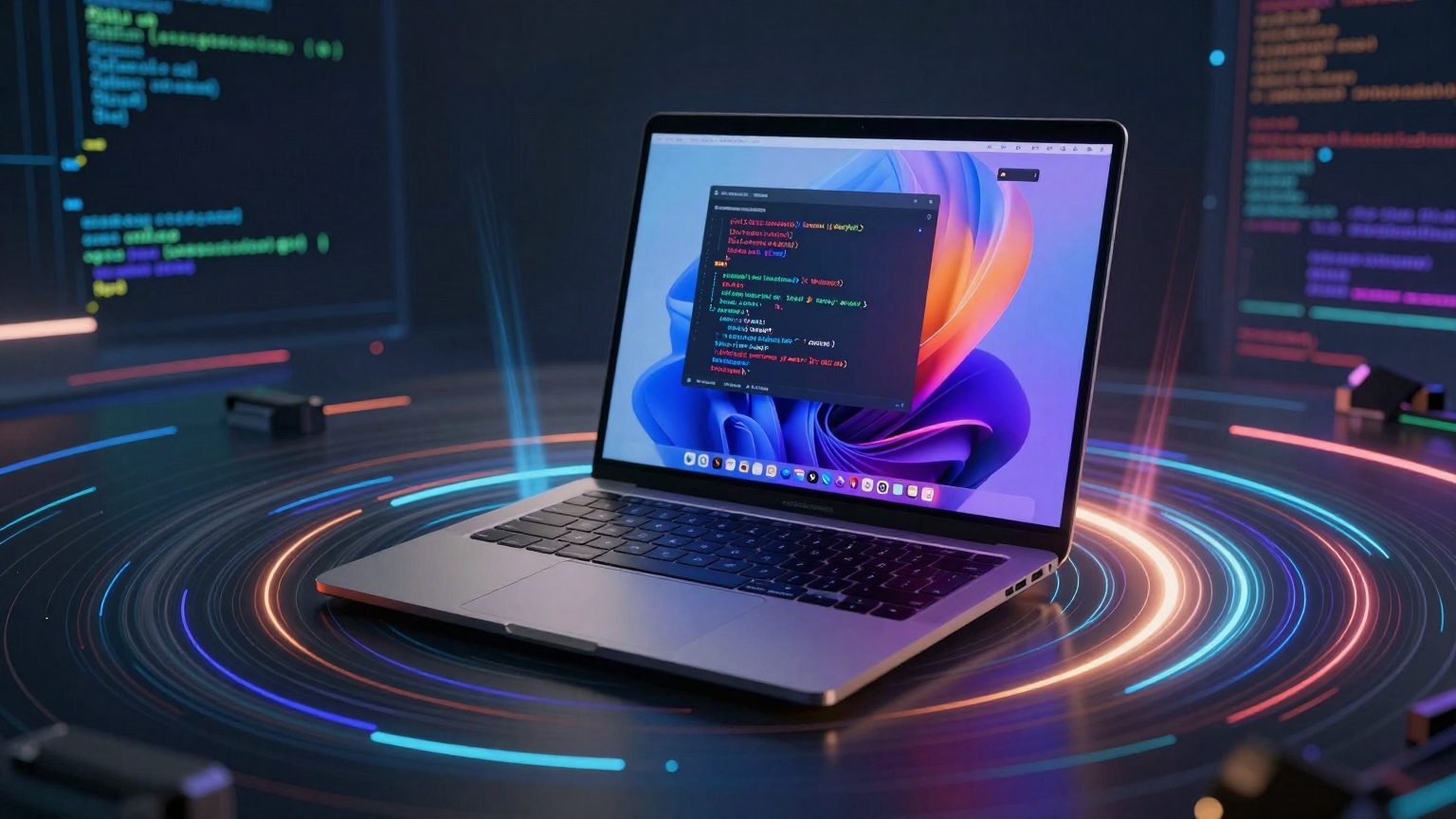
Apple has unveiled a groundbreaking addition to its lineup with the first touchscreen MacBook Pro, marking a significant milestone in the evolution of macOS devices. This new model, which boasts an OLED display, represents both a familiar and radical improvement over previous iterations, offering users a more interactive experience through touchscreen gestures like file dragging and pinch-to-zoom 124.
The introduction of touch functionality to the MacBook Pro series is particularly noteworthy, given that previous Apple executives had expressed skepticism towards touchscreen Macs 3. This move signals a shift in strategy and opens up new possibilities for user interaction with macOS applications.
In terms of specifications, the new MacBook Pro comes in two screen sizes: 14-inch and 16-inch, with the 14-inch variant weighing approximately 3 pounds, making it notably lighter than its predecessor by about half a pound 124. The display, dubbed PROLED XDR, stands out with impressive features such as a maximum brightness of 2,000 nits and a contrast ratio of 10,000,000:1, ensuring vibrant visuals and deep blacks 13. Additionally, the display maintains a 120 Hz variable refresh rate, enhancing the overall visual experience 12.
Pricing for the new MacBook Pro starts at $2,899 for the 14-inch model, while the 16-inch version is priced starting at $3,399 23. These models will be available for pre-order beginning on October 30, with availability commencing on November 6 3.
Other notable features include the inclusion of the M6 chip and N1 networking chip, supporting WiFi 7 and Bluetooth 6, and the presence of a Dynamic Island-style cutout instead of a traditional notch 23. Furthermore, the new MacBook Pro retains the same set of ports, keyboard, and trackpad from the 2021 redesign, providing continuity in user experience 4.
The launch of the touchscreen MacBook Pro also coincides with upgrades to Apple’s suite of productivity apps—Keynote, Numbers, and Pages—which now feature an AI chatbot powered by models from both Apple and OpenAI 2. This integration promises to enhance the efficiency and creativity of users working on these applications.
What we know
- - Apple announced a redesigned MacBook Pro with an OLED display 1234
- - This new MacBook Pro is the first to feature a touchscreen on a macOS device 1234
- - Users can interact with applications via touchscreen gestures such as file dragging and pinch-to-zoom 124
- - The 14-inch model weighs approximately 3 pounds, which is about half a pound lighter than the previous version 124
- - The new MacBook Pro is available in 14-inch and 16-inch screen sizes 234
- - The display is called PROLED XDR and can achieve 2,000 nits of maximum brightness 13
- - PROLED XDR has a contrast ratio of 10,000,000:1 13
- - The display maintains a 120 Hz variable refresh rate 12
- - The starting price for the 14-inch touchscreen MacBook Pro is $2,899 23
- - Availability for the new MacBook Pro starts on November 6th 23
- - Pre-orders for the new MacBook Pro likely began on the day of the announcement 2
- - The 16-inch model is priced starting at $3,399 3
- - The new MacBook Pro features M5 Pro or M5 Max chips 3
- - The new MacBook Pro supports connecting up to four external displays 3
- - The new MacBook Pro includes a Dynamic Island-style cutout instead of a notch 3
- - Preorders start on October 30, and availability begins on November 6 3
- - Previous Apple executives had reportedly dismissed the idea of a touchscreen Mac 3
- - The new MacBook Pro comes with the M6 chip and N1 networking chip 2
- - The new M6 chip supports WiFi 7 and Bluetooth 6 2
- - The new M6 MacBook Pro starts at $1,999 2
- - The new M6 iMac starts at $1,499 2
- - Apple upgraded Keynote, Numbers, and Pages with an AI chatbot 2
- - The AI chatbot uses models from Apple and OpenAI 2
- - The 16-inch model weighs four pounds 4
- - The new MacBook Pro retains the same set of ports, keyboard, and trackpad from the 2021 redesign 4
- - The new MacBook Pro features a glowing logo on the lid 4
Verification report
Likely accurate — probability of truth 78%, weighted across 26 claims from 4 independent outlets.
- confirmed Apple announced a redesigned MacBook Pro with an OLED display. (97%)
- confirmed This new MacBook Pro is the first to feature a touchscreen on a macOS device. (97%)
- confirmed Users can interact with applications via touchscreen gestures such as file dragging and pinch-to-zoom. (93%)
- confirmed The 14-inch model weighs approximately 3 pounds, which is about half a pound lighter than the previous version. (93%)
- confirmed The new MacBook Pro is available in 14-inch and 16-inch screen sizes. (93%)
- confirmed The display is called PROLED XDR and can achieve 2,000 nits of maximum brightness. (86%)
- confirmed PROLED XDR has a contrast ratio of 10,000,000:1. (86%)
- confirmed The display maintains a 120 Hz variable refresh rate. (86%)
- confirmed The starting price for the 14-inch touchscreen MacBook Pro is $2,899. (85%)
- confirmed Availability for the new MacBook Pro starts on November 6th. (85%)
- likely Pre-orders for the new MacBook Pro began on the day of the announcement. (71%)
- likely The 16-inch model is priced starting at $3,399. (71%)
- likely The new MacBook Pro features M5 Pro or M5 Max chips. (71%)
- likely The new MacBook Pro supports connecting up to four external displays. (71%)
- likely The new MacBook Pro includes a Dynamic Island-style cutout instead of a notch. (71%)
- likely Preorders start on October 30, and availability begins on November 6. (71%)
- likely Previous Apple executives had dismissed the idea of a touchscreen Mac. (71%)
- likely The new MacBook Pro comes with the M6 chip and N1 networking chip. (71%)
- likely The new M6 chip supports WiFi 7 and Bluetooth 6. (71%)
- likely The new M6 MacBook Pro starts at $1,999. (71%)
- likely The new M6 iMac starts at $1,499. (71%)
- likely Apple upgraded Keynote, Numbers, and Pages with an AI chatbot. (71%)
- likely The AI chatbot uses models from Apple and OpenAI. (71%)
- likely The 16-inch model weighs four pounds. (70%)
- likely The new MacBook Pro retains the same set of ports, keyboard, and trackpad from the 2021 redesign. (70%)
- likely The new MacBook Pro features a glowing logo on the lid. (70%)
Sources
- Ars Technica — Apple announces touchscreen MacBook Pro with OLED display
https://arstechnica.com/apple/2026/10/apple-announces-touchscreen-macbook-pro-with-oled-display/ - The Verge — Apple ‘Pro and tell’ event: Everything announced this week
https://www.theverge.com/tech/1020069/apple-pro-and-tell-event-everything-announced-this-week - TechCrunch — Apple launches its new touchscreen MacBook Pro
https://techcrunch.com/2026/10/28/apple-launches-its-new-touchscreen-macbook-pro/ - Engadget — Apple's first touchscreen MacBook Pro feels both familiar and radically improved
https://www.engadget.com/2300023/apples-first-touchscreen-macbook-pro-feels-both-familiar-and-radically-improved/